The Spanish Cultural Trio: Dance, Football, and Bullfighting
As a Chinese person who has lived in Spain for five years, I am deeply captivated by this country’s unique cultural appeal. Today, I want to share with you Spain’s three most representative cultural symbols: flamenco dance, football, and bullfighting traditions. These are not merely entertainment activities but essential parts of the Spanish spirit.
Flamenco: The Perfect Blend of Passion and Sorrow
Flamenco dance originated in the Andalusia region, merging Gypsy, Arab, and Jewish cultural elements. When night falls, in the small taverns of Seville or Granada, you can always hear the passionate guitar sounds and tapping feet. Dancers wear brightly colored long dresses and use body language to express love, hatred, and emotions. True flamenco is not just a display of skill but a release of emotion. I once saw an elderly lady spontaneously dance in a small tavern, and her heartfelt performance moved everyone present.
Football: The Nationwide Celebration of Sport
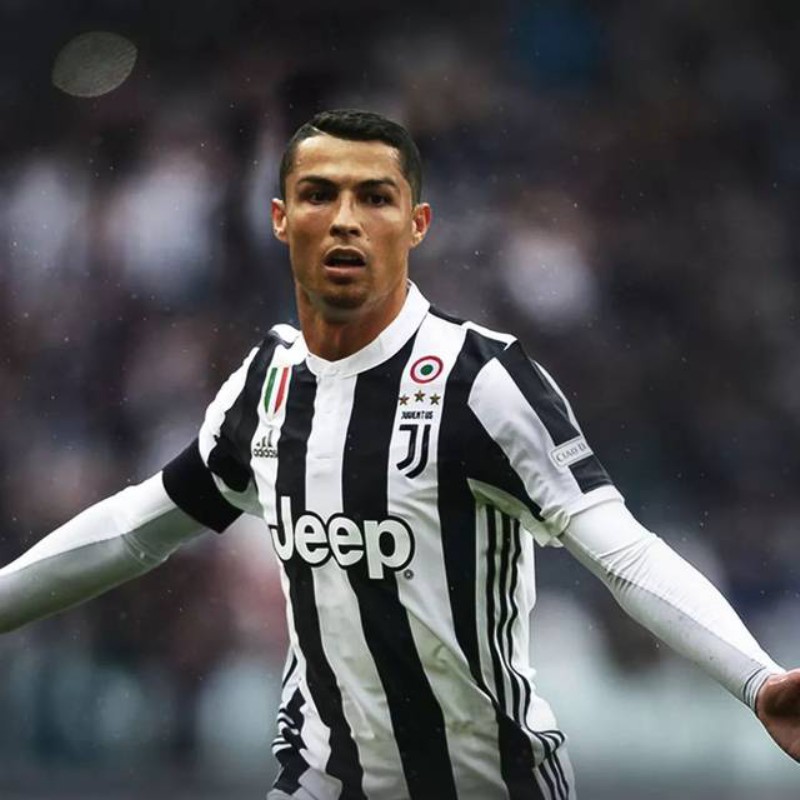
Speaking of Spain, how can we not mention football? From Barcelona’s Camp Nou to Madrid’s Bernabéu, football is in the blood of Spaniards. Every weekend, whether in big cities or small villages, you can see fans wearing team jerseys gathering in bars to watch the matches. On the day Spain won the 2010 FIFA World Cup in South Africa, the whole country erupted in celebration. I remember the crowds in the streets of Madrid that night, strangers hugged and cried together; that collective joy remains unforgettable.
| Famous Team | City | Major Honors |
|---|
| Real Madrid | Madrid | 14-time UEFA Champions League winner |
| Barcelona | Barcelona | 5-time UEFA Champions League winner |
| Atlético Madrid | Madrid | 3-time UEFA Europa League winner |
Bullfighting: A Controversial Traditional Art
Bullfighting might be the most controversial of the three cultural symbols. This tradition, which originated in the 18th century, still holds strong vitality in parts of Spain. Supporters regard it as an artistic form akin to Spanish football dance, embodying a philosophical meditation on man and nature, life and death; opponents question its ethics regarding animal protection. Regardless, bullfighting is undeniably an essential part of understanding Spanish culture. At Las Ventas bullring in Madrid, I once watched a bullfight—the intense and thrilling atmosphere was truly striking.
Modern Significance of Cultural Heritage
These three cultural forms are undergoing changes and inheritance in modern Spanish society. The younger generation holds a more open and inclusive attitude toward traditional culture; they maintain respect without blindly following the past. Flamenco incorporates modern musical elements, football serves as a bridge for international exchange, and bullfighting seeks new directions amid calls for animal welfare. The vitality of culture lies in its ability to innovate in inheritance and maintain essence amidst change.
As foreigners, we may never fully grasp the deep meanings behind these cultural symbols, but through firsthand experience and observation, we can feel the Spaniards’ passion for life and dedication to tradition. This cultural confidence and inclusiveness may be why Spanish culture continues to influence the world.
