As a Chinese person who has lived in Spain for several years, I would like to share some observations and reflections on Spain’s three major cultural symbols. Football, bullfighting, and the national flag almost represent the most direct impressions that the outside world has of Spain.
Football: A National Sentiment Beyond Sport
The charm of Spanish football goes far beyond tactics and skills. Whenever Real Madrid and Barcelona face off in the national derby, the entire country goes crazy. This is not just a contest between two teams but a clash of two cultural ideologies. Real Madrid represents the traditional Castilian spirit, while Barça carries the independent consciousness of Catalonia.
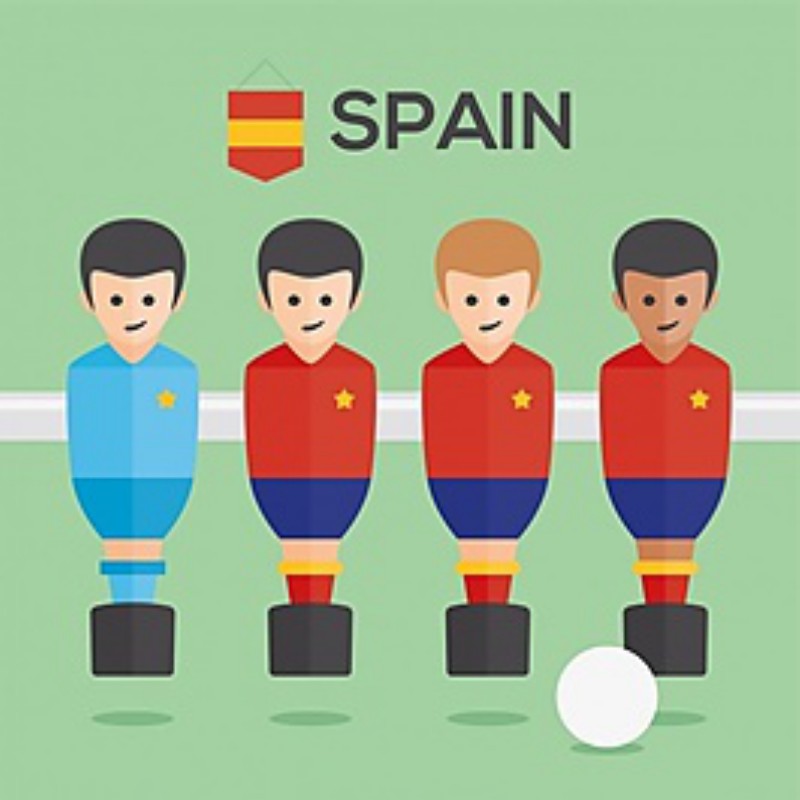
I remember the day Spain won the 2010 World Cup; the streets of Madrid celebrated all night long. At that moment, regional differences temporarily disappeared, and everyone was proud of the same red and yellow flag. Football became a bond connecting Spaniards from different regions and social classes.
Comparing the Influence of Major Clubs
| Club | Region | Cultural Symbol | Fan Base |
|---|
| Real Madrid | Madrid | Royal tradition | Nationwide |
| Barcelona | Catalonia | Regional independence | Strong regional |
| Atlético Madrid | Madrid | Working class | Localized |
| Sevilla | Andalusia | Southern passion | Regional character |
Bullfighting: A Controversial Traditional Art
Bullfighting sparks intense debates in modern Spanish society. Supporters view it as an irreplaceable cultural heritage of Spain’s national flag, lion, and football culture, while opponents raise animal welfare concerns. Personally, I have watched bullfights several times, and honestly, my feelings are mixed.
Many people think bullfighting is just a simple fight between man and beast, but in fact, it involves complex rituals and artistic expression. Every movement of the matador has specific meaning, and the waving of the red cape is more like a dance. However, it is undeniable that this tradition faces challenges from modern civilization.
National Flag: A Witness to Historical Changes
The red and yellow colors of the Spanish flag have deep historical roots. Red symbolizes the passion and courage of the Iberian Peninsula, while yellow represents its rich mineral resources. This flag has witnessed the entire process from monarchy, republic, dictatorship to democratic transition.
Every time I see the flag flying, I think of Spain’s complex political history. During Franco’s dictatorship, the flag was a symbol of authoritarianism; after democratization, it became a symbol of unity again. Today, young Spaniards have a more rational and inclusive attitude towards the flag.
The Internal Connection Among the Three
Football, bullfighting, and the national flag deeply embody shared traits of the Spanish nation: passion, bravery, and pride, while also reflecting the tension between regionalism and centralism. Together, they form an essential part of modern Spanish identity. Whether you support or oppose certain traditions, their profound influence on shaping national character is undeniable.
