Analysis of Spanish Football Training Characteristics
As a football enthusiast who has lived in Spain for many years, I would like to share some unique aspects of Spanish football training. Spain’s remarkable achievements on the world stage are no coincidence; behind them lies a profound training culture and system.
The Remarkable Completeness of the Youth Development System
Spain’s youth development system is considered one of the most comprehensive worldwide. From my observations, the characteristics of Spanish football culture emphasize not only technical training but also the holistic development of players. The La Masia youth academy is the best example, having nurtured world-class stars such as Messi, Iniesta, and Xavi.
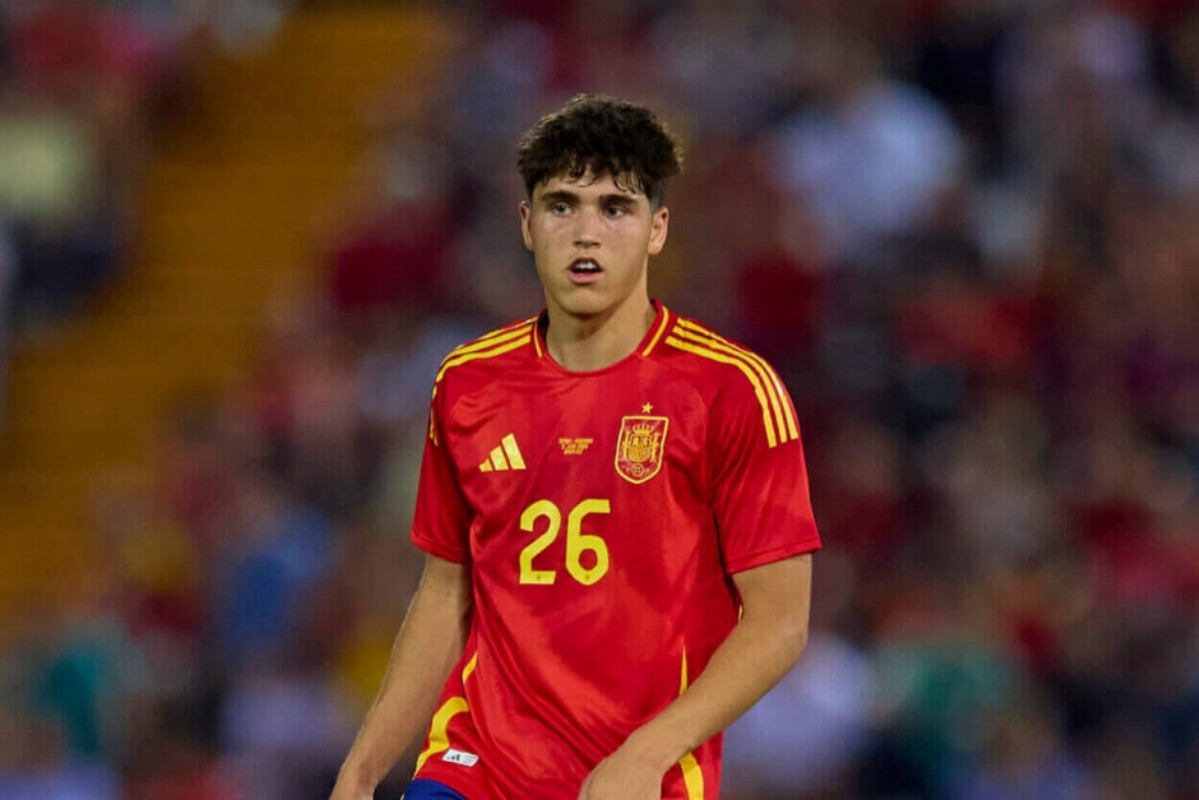
The training characteristics at different youth stages can be summarized in the following table:
| Age Group | Training Focus | Special Features |
|---|
| 6-10 years | Basic skills | Emphasis on ball touch and coordination |
| 11-14 years | Tactical understanding | Beginning to learn positioning and teamwork |
| 15-18 years | Specialized training | Combining physical and mental conditioning |
A Training Philosophy Prioritizing Technique
The most notable feature of Spanish football training is its technique-first philosophy. Coaches here do not give up on players due to physical limitations; instead, they focus more on developing ball skills and game sense. I often see young Spanish players engaged in high-intensity passing drills within small spaces, a training method that builds their excellent technical foundation.
A Unique Tactical System
Spanish football’s tactical特色 mainly focuses on possession and passing. Their “tiki-taka” style has influenced global football profoundly. This tactic requires players to have exceptional passing abilities and off-ball movement awareness, so training involves numerous small-space passing and off-the-ball runs.
From my observations at local clubs, Spanish coaches place special emphasis on developing players’ positional awareness. They design various complex passing routes, helping players learn how to execute technical moves in tight spaces during real-game scenarios.
Emphasis on Mental Strength
Lastly, Spanish football training also highly values players’ psychological qualities. Coaches not only teach tactics and skills but also pay attention to players’ mental health and pressure resistance. This comprehensive approach lays a solid foundation for the success of Spanish football.
I hope these insights help you better understand the characteristics of Spanish football training. Feel free to join the discussion and share your thoughts in the comment section!
