Having lived in Spain for five years, I have always been interested in the local football industry. Recently, some friends expressed interest in switching careers to enter football-related fields, so I took the time to research the employment situation in the Spanish football industry and would like to share some practical information.
The Scale of the Spanish Football Industry
The Spanish football industry is indeed a large economic sector. According to the data I found, the entire industry generates over 4 billion euros in revenue annually, with direct and indirect employment reaching 180,000 people. This number is still growing, especially after the acceleration of digital transformation, which has led to the emergence of many new roles.
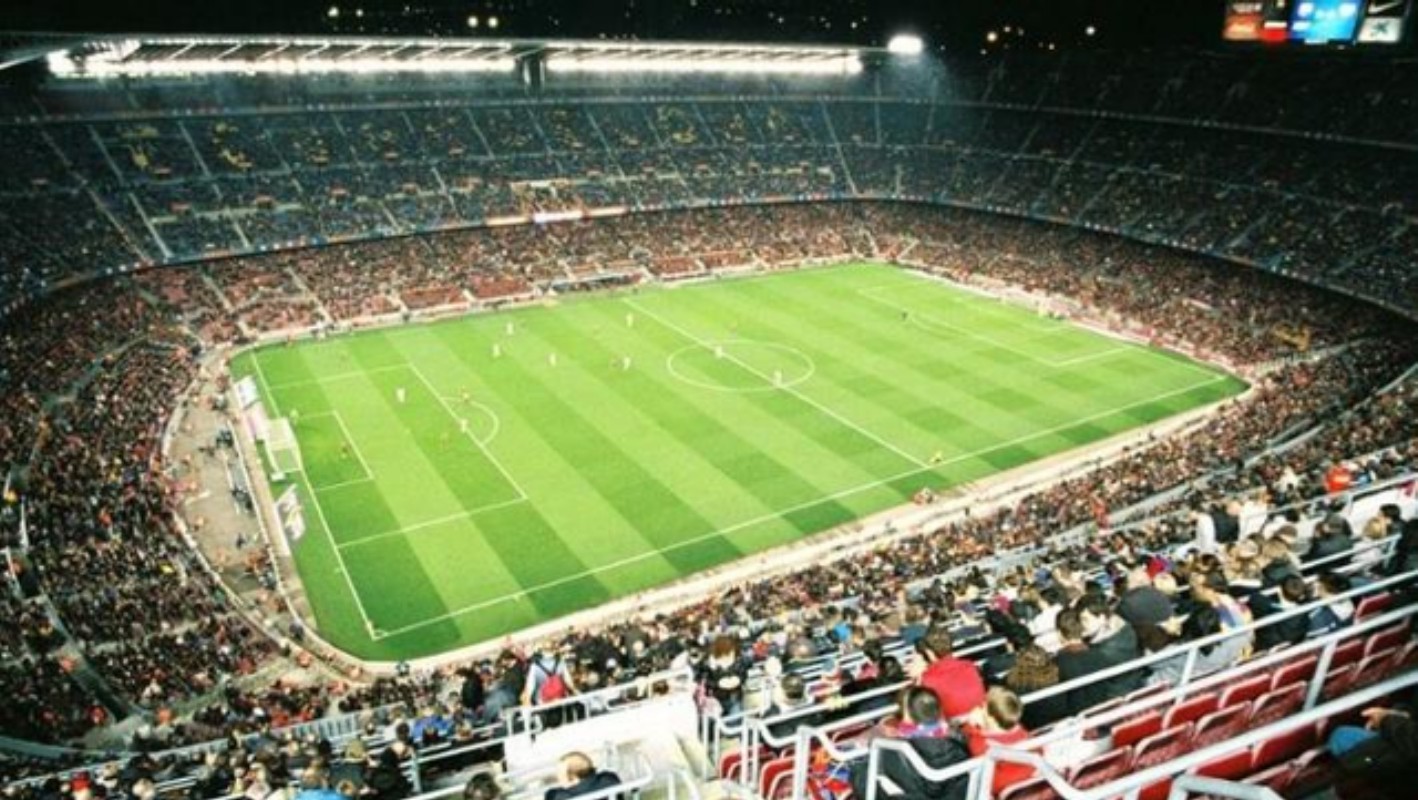
From my observation, employment opportunities in the Spanish football industry are mainly concentrated in several major cities. Madrid and Barcelona are naturally the core hubs, but cities like Seville and Valencia also offer considerable opportunities. It is important to understand the characteristics and distribution of opportunities in different regions.
Main Career Paths and Salary Levels
I have compiled the following table listing some popular career directions:
| Career Path | Monthly Salary Range | Key Requirements |
|---|
| Youth Coach | 1500-3500 | Coaching certification + experience |
| Sports Marketing | 2000-4500 | Marketing background + language skills |
| Data Analyst | 2500-5000 | Statistics background + football knowledge |
| Club Operations | 1800-4000 | Management experience + communication skills |
| Sports Journalist | 1200-3000 | Journalism background + football expertise |
These salaries vary significantly depending on club level, personal experience, and specific responsibilities. For example, top clubs like Real Madrid and Barcelona tend to pay 2 to 3 times more for the same positions compared to smaller clubs.
Entry Recommendations and Development Paths
For those interested in entering this industry, I recommend preparing in several areas: First, language skills are essential; Spanish is a must, and English is also very important. Secondly, professional skills need to be proven, whether it’s coaching certifications, marketing knowledge, or data analysis capability.
The most crucial thing is to start from the grassroots level. Many successful cases from the Spanish football industry employment status began as volunteers or interns. I know a friend who started as a statistician for a local amateur team and is now the data analysis manager of a third-division club. Don’t expect to join a top club at the beginning; steady and practical steps are the key.
Finally, although there are many opportunities in the Spanish football industry, competition is intense. Besides professional skills, networking is equally important. I suggest participating in industry events and joining football professionals’ social circles, which greatly help job hunting and career development. I hope this information is helpful, and if you have specific questions about the Spanish football industry revenue rankings, please feel free to leave a comment for discussion!
