As a football fan who has lived in Spain for many years, I want to share with you the fascinating design philosophies of Spanish football. From watching Barça’s possession style since childhood to Real Madrid’s counter-attacks, and finally the national team’s glorious era, Spanish football indeed has a unique philosophical system.
Barcelona’s Possession Philosophy
When discussing Spanish football design philosophy, Barcelona’s tiki-taka is undoubtedly the most representative. This philosophy emphasizes controlling the game’s rhythm through short passing combinations, leaving opponents exhausted. I remember during Guardiola’s era, Barça averaged over 700 passes per game, an astonishing figure at that time.
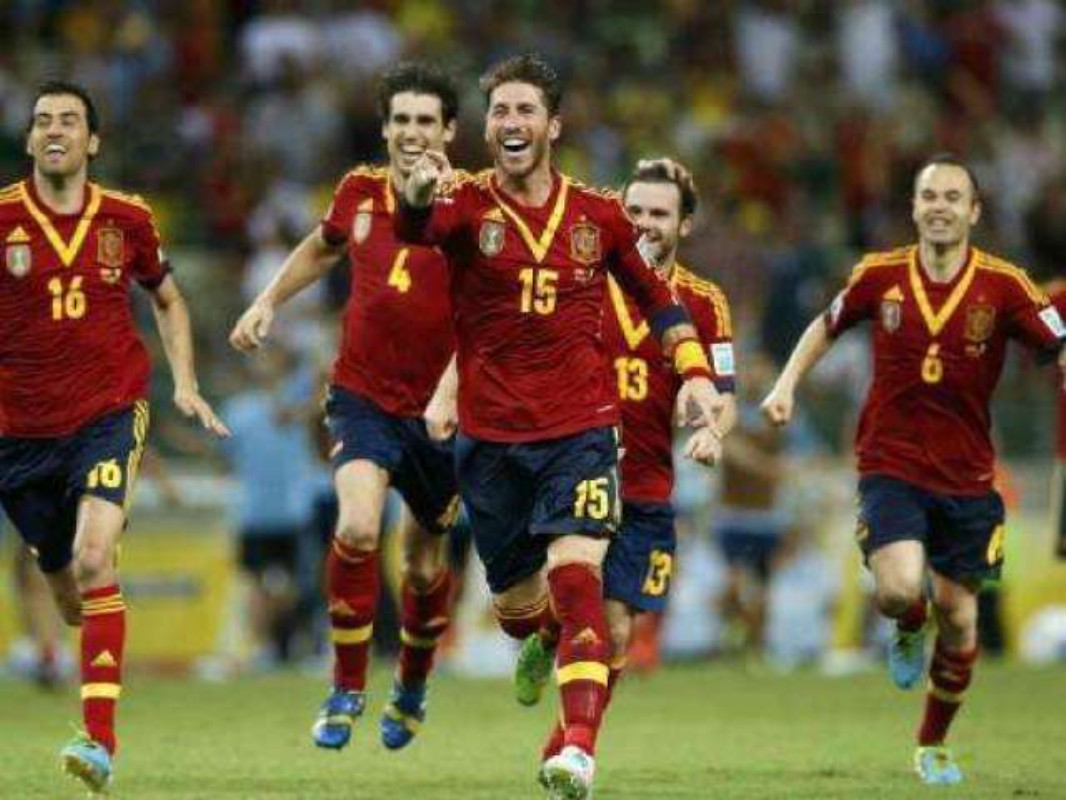
At the core of this design philosophy is the idea of “making the ball work, not the player”. Players create numerical advantages through precise passing and off-the-ball movement, ultimately tearing apart opponents’ defenses. Midfield maestros like Xavi and Iniesta perfectly embody this philosophy.
Real Madrid’s Galácticos Philosophy
Unlike Barça, Real Madrid focuses more on individual talent and rapid counterattacks. The Galácticos design philosophy relies on superstar players’ individual abilities to solve problems. From Zidane to Cristiano Ronaldo, and now Kylian Mbappé, Real Madrid consistently attracts the world’s top players.
| Era | Representative Players | Features |
|---|
| First Galácticos | Zidane, Ronaldo | Technique and speed |
| Second Galácticos | Cristiano Ronaldo, Bale | Counterattacks and set pieces |
| Third Galácticos | Mbappé, Vinícius | Youth and vitality |
This philosophy proves especially effective in the Champions League, where Real Madrid can change the course of a game through Spanish football stadium design and individual brilliance. Although sometimes criticized for lacking cohesion, it is undeniable that this design philosophy has delivered countless honors.
The National Team’s Synthesis Approach
The most interesting aspect is how the Spanish national team has blended these two philosophies. The golden generation from 2008 to 2012 combined Barça’s possession DNA with Real Madrid players’ individual skills. Goals by Villa, headers by Ramos, and saves by Casillas perfectly reflect Spanish football’s diversity.
Under Enrique’s leadership, the current Spanish team is exploring new design philosophies. There is now a greater focus on high pressing and quick transitions, retaining the possession DNA while adding the intensity and speed required for modern football. This evolution shows how Spanish football design philosophy continuously adapts.
As a fan, I believe the greatest charm of Spanish football lies in this diversity of design philosophies. Whether it’s Barça’s artistic football, Real Madrid’s star-driven football, or the national team’s hybrid style, they each represent different football philosophies. This diversity is one of the key reasons why La Liga has maintained its status as one of the world’s top leagues for so long.
