As a fan who has lived in Spain for many years, taking the Spanish Football Competitiveness Test I want to share some thoughts on Spain’s football competitiveness. Many associate Spanish football with technique and possession play, but in reality, Spanish players possess far more physical competitiveness than we often imagine.
The Football Philosophy Balancing Technique and Strength
Spain’s football competitiveness manifests on multiple levels. Firstly, the physical battles: although Spanish players are generally not very tall, their core strength and balance are exceptional. Defenders like Ramos and Piqué never back down when facing Europe’s strongest forwards. Midfielders such as Busquets and Koke, though seeming slight, demonstrate remarkable resilience in tackles and duels.
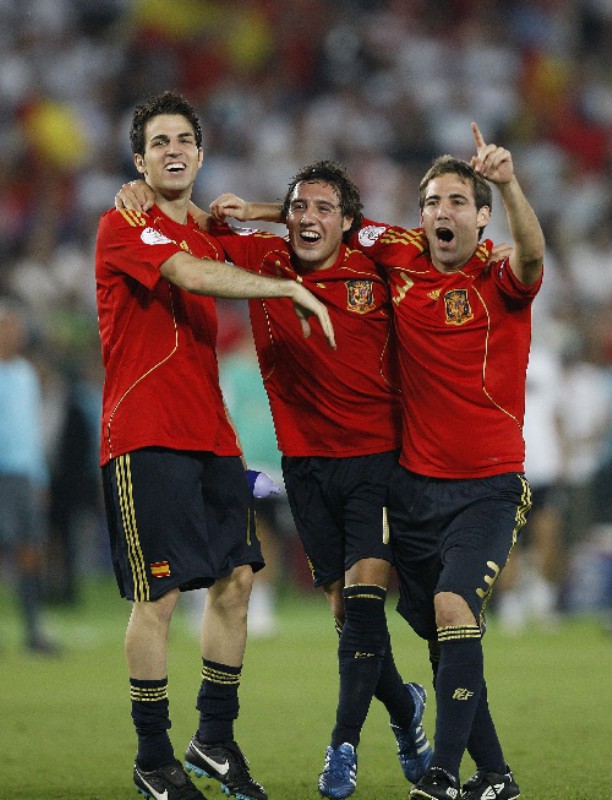
Tactical Intelligence in Competitiveness
Even more crucial is their tactical competitiveness. The Spanish team excels at wearing down opponents through possession control and passing accuracy, which in itself is an advanced form of physical competition: when you cannot reach the ball, even the strongest physicality cannot be applied.
| Type of Competition | Spanish Characteristic | Effectiveness Rating |
|---|
| Physical Competition | Skillful Challenges | ★★★★☆ |
| Tactical Competition | Possession Drain | ★★★★★ |
| Psychological Competition | Possession Pressure | ★★★★★ |
From 2008 to 2012, during their golden era, Spain displayed not only exquisite footwork but also adaptability against varying playing styles. Whether facing Germany’s Germanic efficiency or Italy’s chained defense, Spain always found solutions. This soft overcoming hardness philosophy embodies the essence of Spanish Football Competitiveness Issues.
Youth Training System Cultivating Well-Rounded Players
Spain’s youth training system emphasizes holistic player development. At renowned academies like La Masia, young talents are thoroughly taught the balance of technique and competitiveness from early on. They practice passing and ball control alongside extensive physical confrontations and strength training. This approach gives Spanish players a unique competitive edge in adulthood.
Today’s Spanish football continues this tradition. Young stars like Pedri and Gavi, though young, never shy away from intense matches, showcasing maturity and competitiveness beyond their years. This is the enduring strength of Spain’s football culture.
