Current Analysis of the Spanish Football League
As a football enthusiast living in Spain for many years, I have been closely following the developments and changes in Spanish football. Based on this season’s performance, La Liga has indeed shown some new trends worthy of discussion.
Top Clubs Performance Comparison
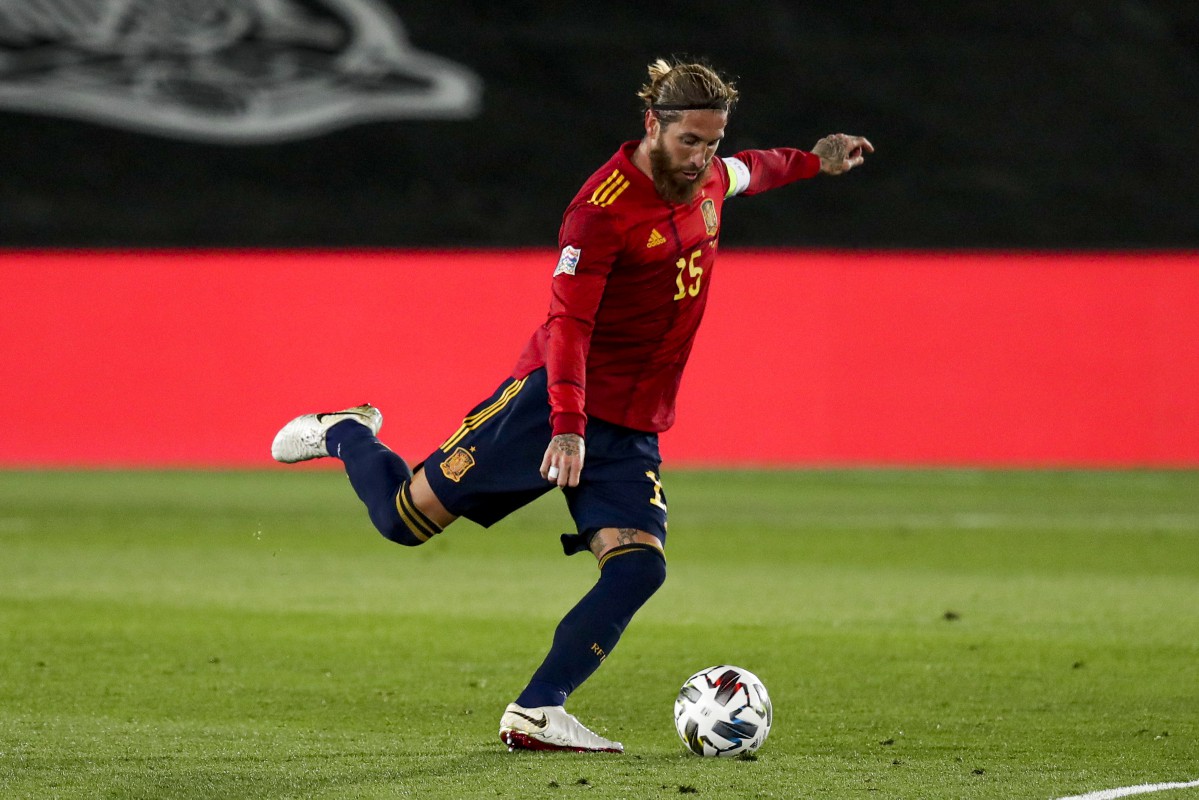
Real Madrid has demonstrated strong competitiveness this season, especially with impressive performances in the Champions League. In contrast, Barcelona is going through a rebuilding phase, with a focus on nurturing young players. Atletico Madrid still maintains Simeone’s tenacity but needs more breakthroughs in the offensive aspect, as detailed in the latest Spanish Football Team Conditions.
| Team | League Ranking | European Performance | Major Changes |
|---|
| Real Madrid | Top 3 | Outstanding | Accelerated youth trend |
| Barcelona | Quite volatile | Rebuilding phase | Significant youth academy results |
| Atletico Madrid | Stable top tier | Consistent competition | Mature tactical system |
New Changes in the Spain National Team
The Spain national team in recent international matches has shown a style different from before. The traditional tiki-taka tactic is blending with the fast-paced demands of modern football, creating new chemistry. The rise of young players like Pedri and Gavi has injected fresh blood into the squad.
Player injury issues are also a major focus currently. The dense schedule is challenging the fitness of many key players, directly affecting the team’s performance in crucial matches.
Overall Competitive Landscape of the League
Besides the traditional top clubs, mid-table teams such as Real Sociedad and Villarreal are continuously improving their strength. Through smart transfer strategies and excellent youth development, they are gradually closing the gap with the top-tier teams. The traditional triopoly is undergoing subtle changes.
Tactically, La Liga teams generally emphasize a balanced approach to attack and defense; solely relying on possession or counterattacks has become less effective. Coaches tend to flexibly adjust formations and strategies according to opponents’ characteristics, making matches more exciting and unpredictable.
