As a fan who has lived in Spain for over a decade, every time the Real Madrid and Barcelona derby is mentioned, my feelings are especially complex. This is not just a contest between two teams but a clash of two cultures and philosophies. In recent years, with the increasing commercialization of football, the traditional derby atmosphere seems to be quietly changing.
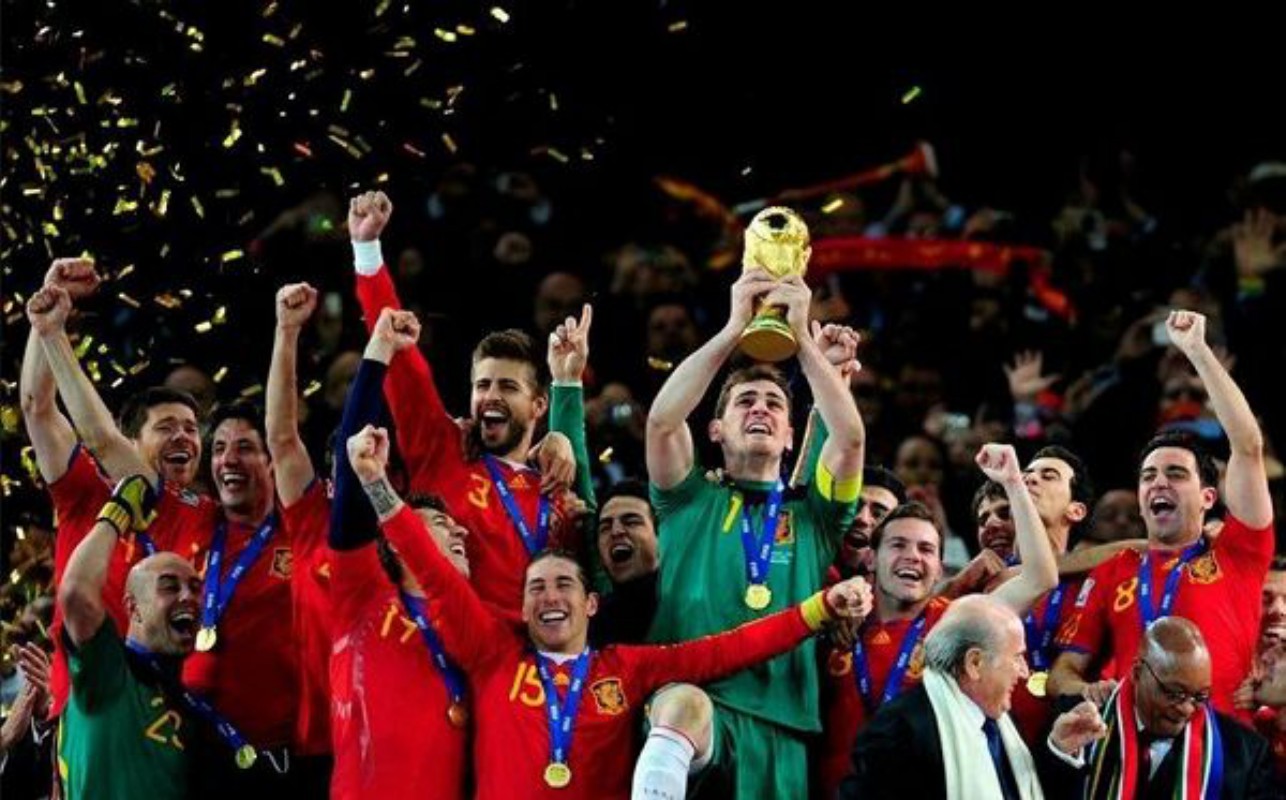
The Evolution of Traditional Derby Culture
I remember when I first arrived in Spain, every El Clásico would plunge the entire city into a festive frenzy. Bars were packed with fans wearing their team jerseys, passionately discussing the match. That pure football passion is something no commercial packaging can ever replicate. But now, with ticket prices steadily rising, more ordinary fans are being shut out of the stadiums, replaced instead by well-dressed businesspeople.
Traditional fan culture is facing unprecedented challenges. In the past, supporting a team was a family tradition and a reflection of regional identity. Nowadays, many young people choose which team to support more based on the Spanish football circle commentary influenced by star players’ charisma or social media. This shift brings both frustration and reflection on the true essence of football.
The Impact of Commercialization on the Fan Experience
The degree of commercialization in modern football is staggering. Here are some comparative figures on La Liga’s commercialization development in recent years:
| Item | 2015 | 2023 |
|---|
| Average Ticket Price | 45 | 78 |
| TV Broadcast Revenue | 14.2 | 24.7 |
| Jersey Sponsorship Fee | 3.5 | 8.9 |
| Social Media Following | 285 | 612 |
Behind these numbers lies a massive change in the football industry. While commercialization has brought better stadium facilities and higher quality matches, it has also distanced football from ordinary fans. Many veteran supporters complain that the match atmosphere is not as passionate as before, and the cheering on the stands feels less genuine.
The Frenzy of the Player Transfer Market
One of the most impressive trends in recent years is the madness of the transfer market. Starting with Neymar’s €220 million transfer fee, the football transfer market has gone completely wild. Previously, a few million euros for a player was considered sky-high, but now tens of millions or even more than a hundred million in transfer fees have become commonplace. This frenzy has not only driven up market prices but also greatly undermined player loyalty.
As fans of the Spanish football circle tax evasion, we certainly want to see the best players playing for our supported teams, but does this money-first transfer culture erode the purity of football? When players can easily switch to rival teams for higher salaries, how much emotional investment from fans remains meaningful?
Reflections on the Future
Despite various challenges, Spanish football still maintains very high competitive levels and global influence. The key lies in finding a balance between commercial development and traditional culture. Perhaps we need to learn to accept changes while striving to protect the most precious football traditions.
The true spirit of football should never be drowned in money. Regardless of how commercialization evolves, fans’ love for their teams, passion for football, and united spirit to cheer for their teams should be preserved forever. After all, without fans, football loses its very reason for existence.
