As a football enthusiast who has lived in Spain for many years, I have always been deeply influenced by the country’s rich football cultural atmosphere. Today, I want to share some in-depth thoughts on Spanish football culture with you, hoping to spark more interesting discussions.
Historical Origins and Development Context
The formation of Spanish football culture was not an overnight event; it is deeply rooted in the country’s historical soil. Since football was introduced to Spain at the end of the 19th century, this sport has interacted closely with the local social structure, political environment, and cultural traditions. Especially during the Franco dictatorship, football became an important medium for people to express emotions and identity in the Spanish Football Comparison Essay context, and the slogan “More than a club” of FC Barcelona vividly illustrates this historical background.
The “El Clásico” rivalry between the two giants Real Madrid and Barcelona is not only a competition at the sports level but also carries complex political, cultural, and regional identity connotations. This rivalry has shaped the distinctive confrontation and passion elements in Spanish football culture.
Deep Penetration at the Social Level
In everyday life in Spain, the influence of football culture is everywhere. From small local bars on street corners to upscale restaurants, from breaks at workplaces to the centerpiece topics of family gatherings, football always holds an important position. This cultural penetration is reflected not only in the focus on match results but also manifests as a lifestyle and social language.
The Spanish love for football is expressed on multiple dimensions:
| Cultural Aspect | Specific Manifestation | Social Impact |
|---|
| Family Legacy | Fathers and sons supporting the same team across three generations | Strengthens family cohesion |
| Community Identity | Local clubs become symbols of communities | Promotes social unity |
| Commercial Culture | Flourishing football-related industries | Drives economic growth |
| Educational Philosophy | Youth training systems emphasizing technical development | Influences talent cultivation models |
Technical Philosophy and Tactical Culture
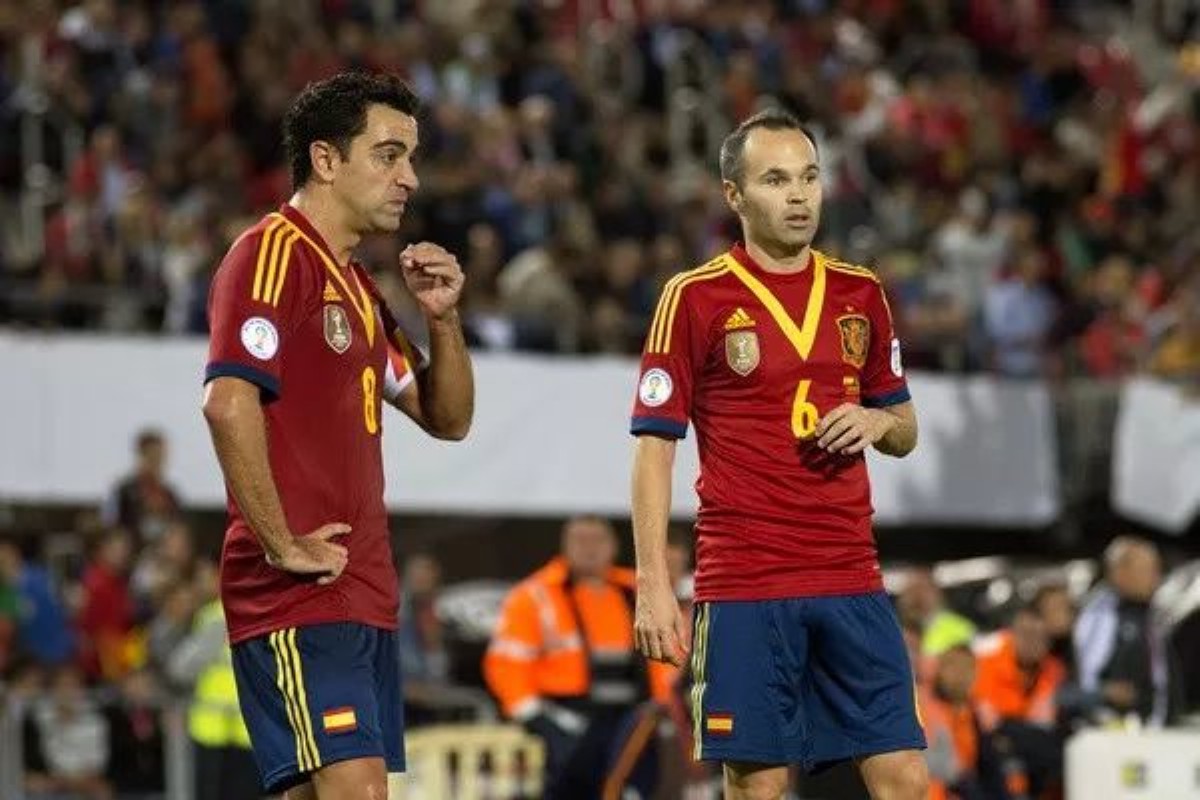
One of the most impressive features of Spanish football culture is the emphasis on technical football. From Barcelona’s “tiki-taka” possession-style football to the national team’s elegant coordination, Spanish football has always adhered to the philosophy of technical supremacy. This football philosophy not only affects the way players are trained but also shapes the aesthetic standards of fans.
In Spain’s youth training systems, technical training has always been valued more than physical confrontation. This philosophy has produced countless technically skilled players and formed a unique football aesthetic. The crude and direct long-ball tactics in the Spanish Football Essay Topics are not welcomed here; instead, exquisite passing coordination and individual technical displays are regarded as true art.
Modern Challenges and Cultural Legacy
With the impact of globalization and commercialization, traditional Spanish football culture also faces new challenges. The viewing habits of the younger generation are changing, and social media and digital platforms are gradually transforming how football culture is disseminated. However, the core values of Spanish football culture persistently endure.
In this era of change, how to maintain the purity and legacy of football culture while adapting to the needs of modern society is a question that every lover of Spanish football must consider. From my personal observation, the vitality of Spanish football culture lies in its inclusiveness and adaptability; it can embrace change while preserving tradition.
These are some of my thoughts and observations on Spanish football culture, and I hope to exchange and discuss them with you. In this passionate country, football is not just a sport but a cultural bond that connects hearts and conveys values.
