Recently, while following the development of Spanish football, I noticed an interesting phenomenon: the proportion of immigrant players across all levels of Spanish leagues has changed significantly over the past decade. As a fan who loves football immigration to Spain and has long been paying attention to the Spanish football scene, I would like to share some observations and data.
Current Status of Immigrant Players in La Liga
According to the latest statistics, non-Spanish players in La Liga have exceeded 60%. This ratio ranks among the top in the five major European leagues, second only to the English Premier League. Notably, a considerable portion of these foreign players have acquired Spanish citizenship through immigration channels. Especially players from South America, who, due to linguistic and cultural similarities, integrate more easily into the Spanish football system.
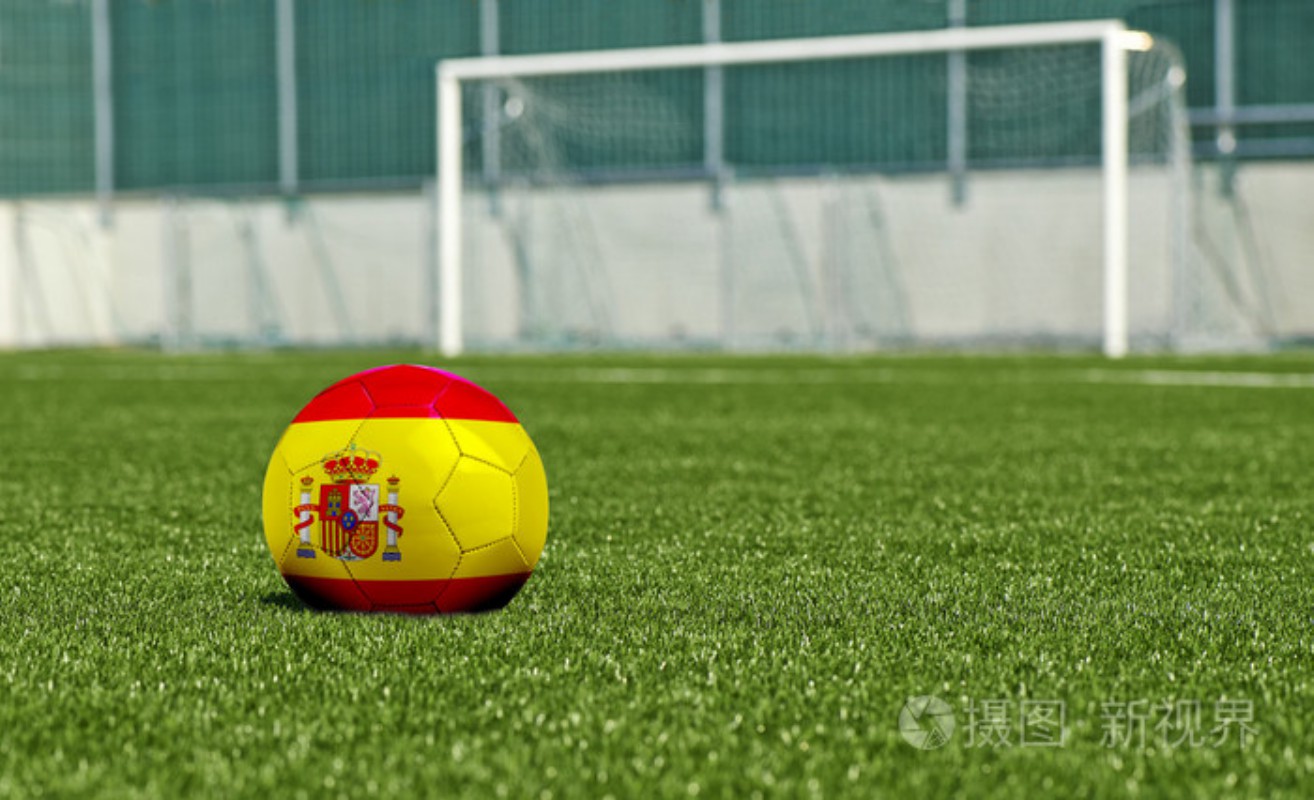
In terms of regional distribution, Brazil, Argentina, and Uruguay are the main exporting countries, while the number of players from Africa and Eastern Europe is increasing year by year. This diversification brings different technical styles and tactical ideas to Spanish football.
Comparative Data Analysis of Immigrant Players
I have organized a dataset about major immigrant player source countries in La Liga over the past five years from learning football immigration to Spain:
| Country/Region | Players in 2019 | Players in 2024 | Growth Rate |
|---|
| Brazil | 45 | 52 | 15.6% |
| Argentina | 38 | 41 | 7.9% |
| France | 25 | 33 | 32% |
| Morocco | 12 | 19 | 58.3% |
| Senegal | 8 | 15 | 87.5% |
From this table, the growth rate of African players is particularly remarkable, reflecting the increasing importance Spanish football places on the African market.
Impact of Immigration Policies on Football Development
Spain’s relatively lenient immigration and dual nationality policies have created favorable conditions for attracting football talent. Many players obtain citizenship after playing for Spanish clubs for several years, enabling them to represent the Spanish national team. The era of purely homegrown national teams has become a thing of the past.
This change affects not only the professional level but also youth training systems. The proportion of children from immigrant families in the youth academies of major Spanish clubs is rising year by year, injecting new vitality into the future development of Spanish football.
Influence on Spanish Football Culture
The substantial influx of immigrant players is also subtly transforming Spanish football culture. The traditional tiki-taka tactical style is beginning to incorporate more elements, with teams maintaining their technical flair while absorbing strengths from diverse football cultures.
From the spectators’ perspective, this diversity brings a richer viewing experience. Unique celebration styles and playing methods brought by players from different cultural backgrounds add new charm to Spanish football. Naturally, this has sparked some discussion about football identity, but overall, most fans have a positive attitude toward these changes.
What are your thoughts on this transformation in Spanish football? Do you think it helps raise the competitive level, or are you worried about the impact on local football traditions? Feel free to share your views in the comments section!
