Spanish Football Training Guide Spanish Football Introductory Guide: From Basic Skills to Practical Application
As a football enthusiast living in Spain for many years, I would like to share some training methods I have learned here. Spanish football is known for its refined technique and flexible tactics, and their training system has many valuable aspects we can learn from.
Basic Skills Training
Spanish football places a strong emphasis on solid basic skills. Whether professional players or amateurs, they spend a lot of time on fundamentals. Juggling is the most basic and important exercise, and it is recommended to practice at least 30 minutes daily. Start with juggling using one foot, gradually progress to alternating both feet, and finally add knees and head.
Passing practice is equally important; Spaniards highly value the accuracy of short passes. You can set up passing drills at distances of 5m, 10m, and 15m, focusing on the power and precision of passes. Remember, a good pass is not about force but about reaching your teammate’s foot precisely.
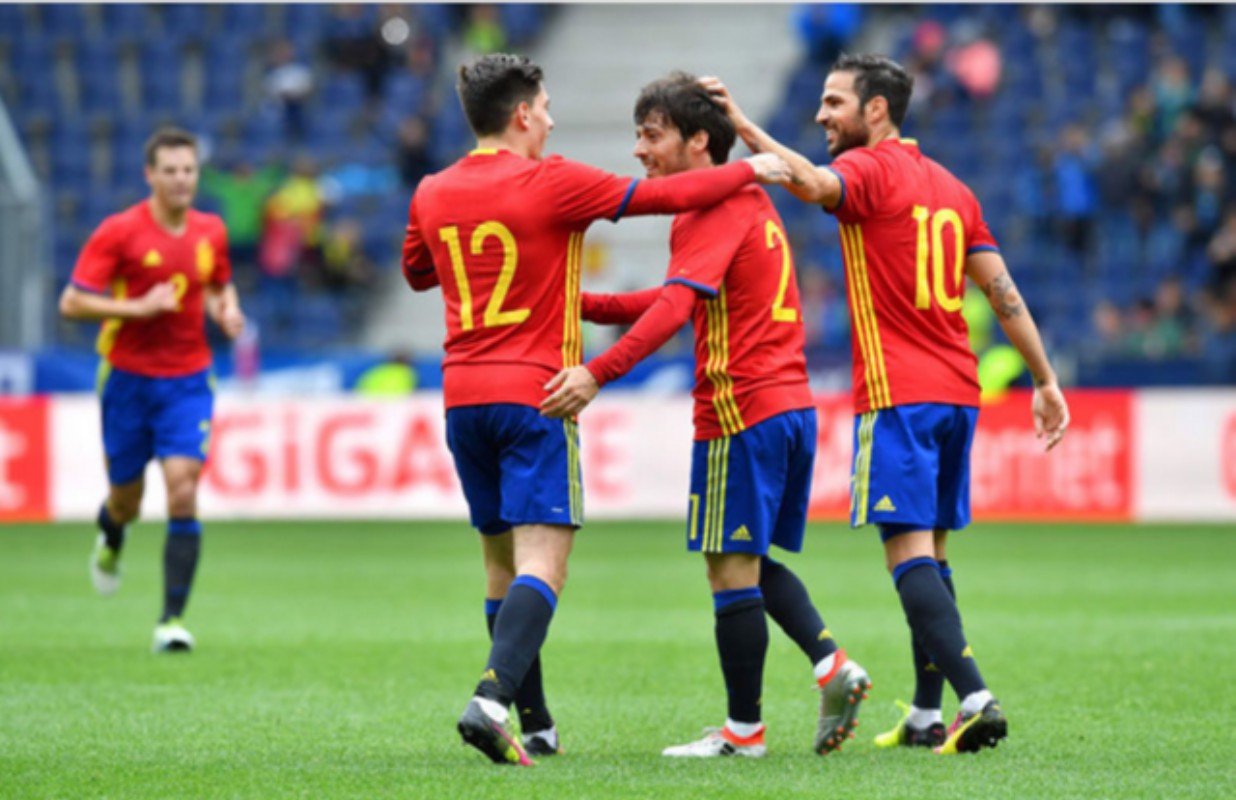
Tactical Concepts and Coordination
The tactical core of Spanish football is ball possession and passing control. In training, many small-sided passing drills are arranged, such as 4v2 and 3v1 rondo exercises. These drills not only improve technique but also develop players’ spatial awareness and teamwork.
Position rotation is another feature of Spanish football; players need to be capable in multiple positions. Fixed-position play is outdated; modern football demands players to be more flexible and versatile. It is recommended to try different positions during training to better understand the game.
Practical Training Schedule
Based on my experience, here is a weekly training plan suitable for amateur players:
| Training Day | Main Focus | Duration |
|---|
| Monday | Basic Skill Practice | 60 mins |
| Wednesday | Tactical Coordination | 90 mins |
| Friday | Physical Conditioning | 45 mins |
| Sunday | Match Practice | 90 mins |
Physical Conditioning and Nutrition Suggestions
Spanish players’ physical training is distinctive; they do not focus solely on strength but emphasize a combination of explosiveness and endurance. It is recommended to arrange 2-3 physical training sessions per week, including short sprints, directional changes, and core strength exercises.
Regarding nutrition, Spanish dietary habits are worth adopting. Eat plenty of olive oil, nuts, and fresh fruits and vegetables, and avoid fried foods. Consume moderate food 2 hours before training, and replenish protein and carbohydrates within 30 minutes after training.
I hope these insights are helpful! Football training is a long-term process; the key is persistence and enjoying the journey. If you have any questions or thoughts, feel free to discuss below.
