Spanish Football Tactics Analysis: The Evolution from Possession to High-Pressing
Recently watching the European Championship and World Cup matches, I found Spain’s playing style truly fascinating. As a football enthusiast who has read the Analysis of Spanish Football History, I want to share some understandings and observations about Spanish football tactics.
The Golden Era of Possession Football
When it comes to Spanish football, possession is what comes to mind first. From 2008 to 2012, Spain truly dominated world football. Their possession was not just about passing back and forth; it was purposeful control of the rhythm. Possession rates often exceeded 70%, but more importantly, they knew when to slow down and when to speed up.
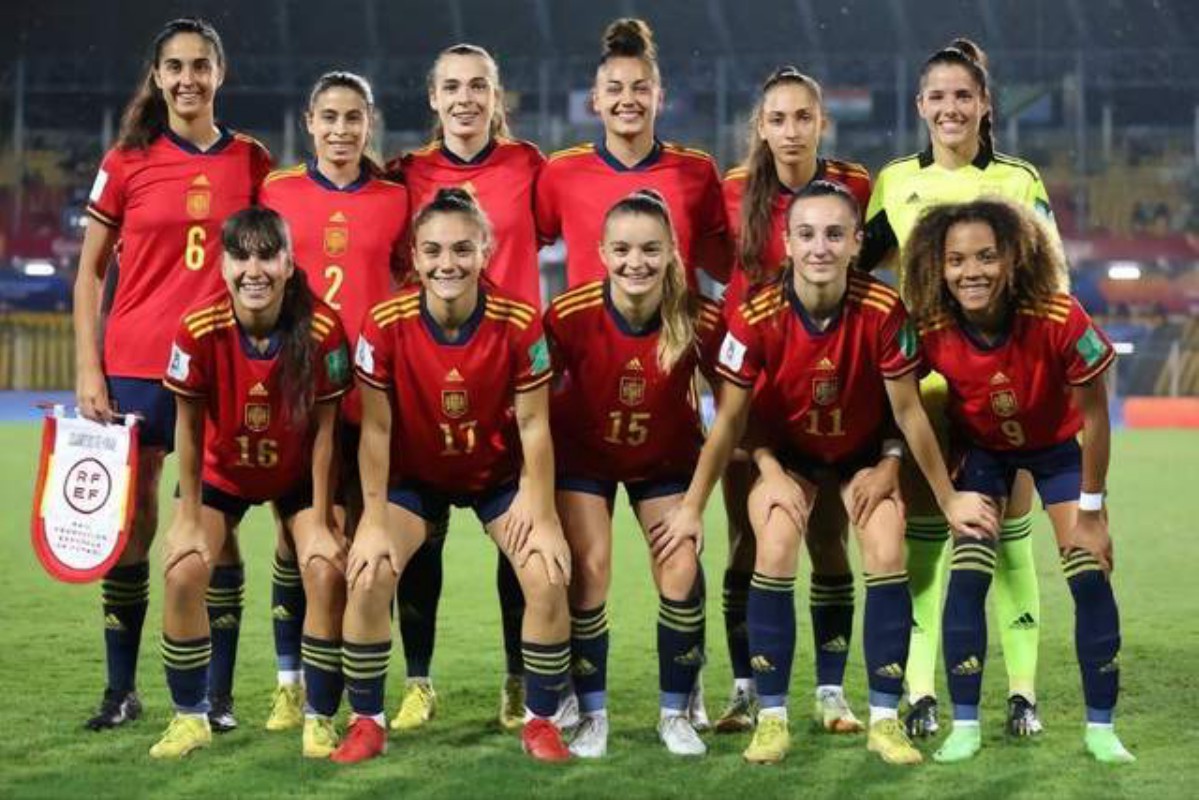
The midfield then was a star-studded lineup: Xavi, Iniesta, and Busquets. Their combination was an artwork. Xavi acted as the metronome, Iniesta provided creativity, and Busquets took care of defensive cover. This triangular passing and positional rotation is still emulated by many teams today.
Tactical Evolution in Modern Spain
However, football tactics are constantly evolving. Today’s Spanish team still retains possession football’s DNA but integrates more modern elements. The most obvious are the high pressing and fast counterattacks.
| Tactical Feature | Traditional Possession Era | Modern Spain |
|---|
| Possession Style | Slow build-up | Quick ball circulation |
| Defensive Strategy | Mid-low block pressing | High pressing |
| Attacking Method | Mainly positional play | Diverse combinations |
| Tempo Control | Single tempo | Variable pace switching |
Tactical Details Analysis
Modern Spain places more emphasis on spatial utilization. Full-backs frequently push forward to provide width as seen in the Football Analysis of Morocco vs Spain, and midfielders are more willing to advance near the penalty area. Unlike before where they only passed around the perimeter, they now seek goal-scoring opportunities more directly.
Especially when facing dense defenses, Spain found new solutions. They exploit quick advances on the wings or use fast one-twos through the middle to break down opponents. Young players like Pedri and Gavi combine traditional technical skills with the physicality demanded by modern football.
Impact on Other Teams
Spain’s tactical system has had a huge impact on world football. Many teams try to learn their possession philosophy, but few truly grasp its essence. The key lies in the players’ technical foundation and tactical understanding, which cannot be developed overnight.
I think what is most worth learning is their comprehension and use of space. Whether attacking or defending, Spanish players always appear in the most appropriate positions. This spatial awareness requires long-term training and match experience.
What do you think? Will Spain’s tactical system continue to evolve? Or which era of the Spanish team do you prefer? Feel free to discuss in the comments!
