Comprehensive Analysis of Spain National Team 2024 Squad
As a traditional football powerhouse in Europe, Spain’s national team has recently undergone a transition blending youth and experience, maintaining its classic technical style while incorporating more modern tactical elements. Today, let’s take a detailed look at the current La Furia Roja squad setup.
Goalkeeper Position: Balanced Experience and Potential
At the goalkeeper position, Spain currently has considerable depth. Unai Simón, the starting goalkeeper for Athletic Bilbao, stands out for his technical skills and distribution ability, having become the national team’s first choice. Meanwhile, the young Robert Sánchez has ceded the place to more experienced goalkeepers.
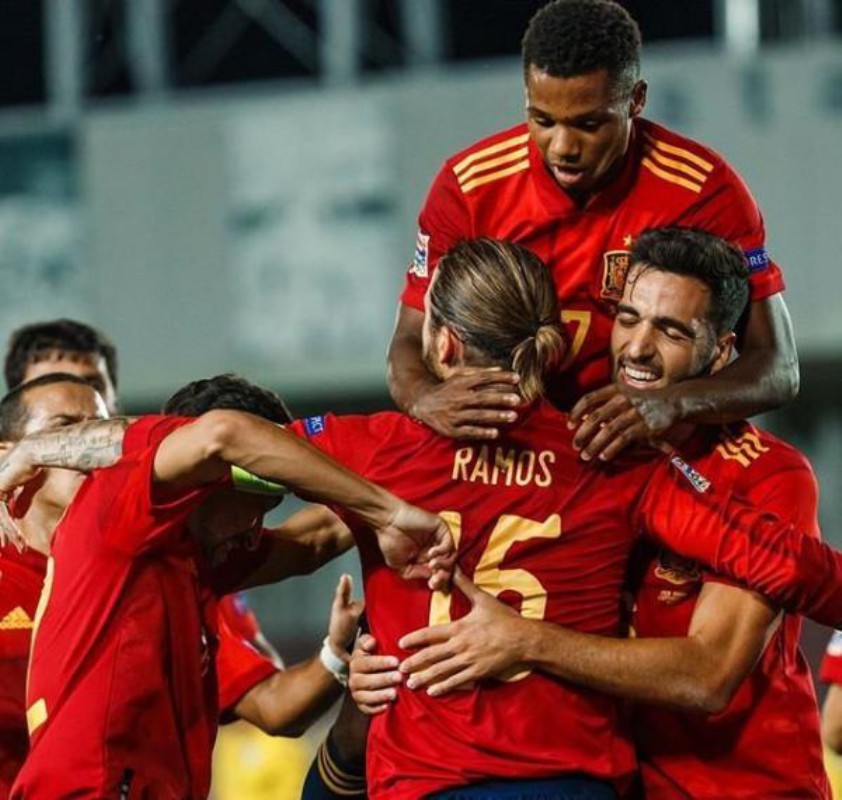
As for backup goalkeepers, David Raya has become a strong contender thanks to his impressive performances at Arsenal. This healthy competition significantly benefits the goalkeeper group’s overall level.
Defense Line: A Surge of Youth
The defensive line is currently the area with the most changes for Spain. In terms of center-back partnerships, veteran Sergio Ramos is no longer considered, replaced by a promising group of young players.
| Position | Starting Player | Substitute Player |
|---|
| Right Back | Carvajal | Nacho |
| Center Back | Laporte | Pau Torres |
| Center Back | Rodri | Cucurella |
| Left Back | Gayà | Alba |
Notably, although Laporte was born in France, he chose to represent Spain, adding significant experience and stability to the backline. Promising Pau Torres continues to shine at Villarreal.
Midfield: The Soul of Possession Football
Midfield has always been the essence of Spanish football, and the current lineup is truly star-studded.
Busquets, though aging, remains world-class in midfield orchestration. The emergence of young talents Pedri and Gavi offers hope for Spain’s future. These two Barça academy products showcase exquisite technique and precise passing, perfectly embodying the “Barça DNA”.
Experienced midfielders like Koke and Thiago Alcântara provide tactical versatility. Thiago, in particular, benefits from Premier League experience gained during his time at Liverpool, equipping him to handle high-intensity matches with ease.
Forward Line: A Multi-Faceted Attack
In attack, Spain’s strategy, as seen in the football analysis Morocco vs Spain, relies on multiple attacking points rather than a fixed striker role.
Ferran Torres serves as a versatile forward, capable of playing both as a winger and a striker, with notable speed and shooting ability. Meanwhile, Olmo’s development at RB Leipzig has been impressive, with marked improvements in creativity and goal-scoring.
Veteran Morata, despite club-level controversies, continues to be a key tactical focal point for the national team, offering aerial strength and link-up play as alternative offensive options.
Tactical System and Future Outlook
Overall, the current Spain squad is at a pivotal stage of generational transition. Head coach Enrique aims to preserve the traditional possession-based style while integrating more modern elements.
The [green]433 formation[/green] remains the primary choice, but with more flexible positioning and movement strategies than before. The rapid rise of young players ensures Spain will stay highly competitive in the coming years.
