As a Chinese parent who has lived in Spain for 8 years, my eldest child is 12 this year and has been playing in a local club since he was 7. Seeing many friends on forums often ask about children playing soccer in Spain, I want to share my real experiences and observations over the years.
The Youth Soccer Training System in Spain
Youth soccer training in Spain is truly systematic. My child’s club has complete teams from U8 to U19. What impresses me most is that the coaches focus heavily on technical fundamentals; every training session starts with 30 minutes of basic skills practice. Unlike in China where games often start immediately, here more emphasis is placed on passing, ball control, and touch precision.
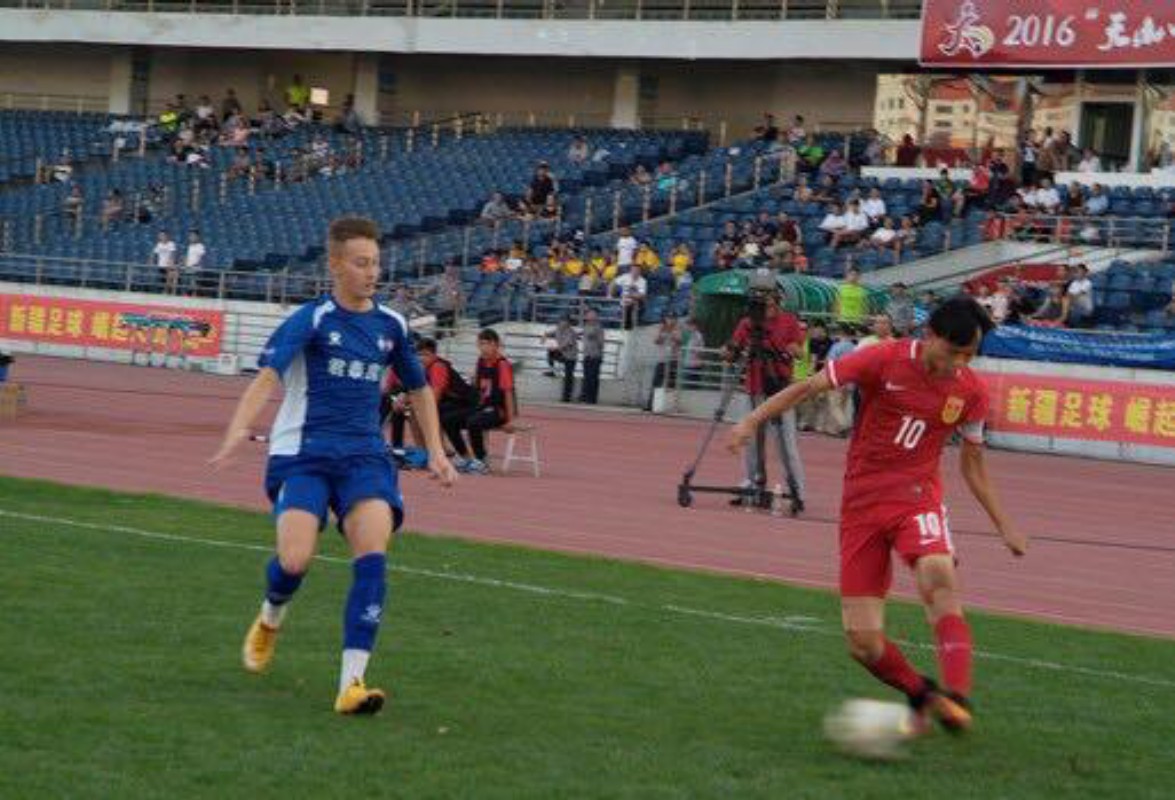
Training usually happens 3 times a week: Tuesday and Thursday evenings from 7 pm to 8:30 pm, and matches on Saturday mornings. Fees for our second-tier club are around 120 euros per month, covering training, matches, and equipment cleaning. Top-tier clubs charge more for their youth camps, but their facilities and coaching quality are indeed excellent.
Training Focus by Age Group
| Age Group | Training Focus | Match Format |
|---|
| U8-U10 | Basic skills, fun development | 7-a-side |
| U11-U13 | Tactical understanding, team cooperation | 9-a-side |
| U14-U16 | Physical contact, position specialization | 11-a-side |
| U17-U19 | Professional preparation, mental resilience | 11-a-side |
Advantages and Challenges for Chinese Children
Honestly, Chinese kids playing in the Spanish youth soccer team rankings face some unique situations. Their advantage is that our kids are usually obedient, serious about training, and parents highly value education. However, the challenges are clear as well, including language barriers, cultural integration, and physical conditions which all require time to adapt.
At the beginning, my child’s Spanish was not fluent enough and he sometimes couldn’t understand the coach’s instructions. But children adapt very quickly, and after six months, he was fine. Now he has good relationships with teammates and often hangs out with them on weekends.
Realities and Opportunities for Professional Development
Many parents wonder whether their kids can pursue a professional path. Frankly, the competition is intense. Every year, tens of thousands of youth train in all levels of Spanish clubs, but very few make it to professional teams. However, this doesn’t stop us from letting kids enjoy the joy and growth soccer brings.
Even if they don’t go professional, playing soccer in Spain greatly helps children’s development. Teamwork, stress management, time management, and social skills are well exercised. Moreover, maintaining an active lifestyle benefits both physical and mental health in the long term.
For parents who want their children to play soccer in Spain, my advice is to first find a local club for trial training and understand the specific situation. Every region’s clubs vary in level and style, so finding the right fit for your child is the most important. Don’t start out hoping to join Real Madrid or Barcelona immediately; start with the basics and enjoy the process more than the results.
