Recently, I have seen some discussions about Wang Jianlin and Spanish football. As a Chinese living in Spain for many years, I want to share some of my observations. The name Wang Jianlin indeed carries weight in the Spanish football circle, as Wanda was once a major shareholder of Atlético Madrid.
Wanda and Atlético’s Honeymoon Period
In January 2015, Wanda Group acquired a 20% stake in Atlético Madrid for 45 million euros, an investment that caused quite a stir at the time. Wang Jianlin stated in an interview with Spanish media that the choice of Atlético was not only because of its position in European football but also because of the Spanish football youth training system and football culture.
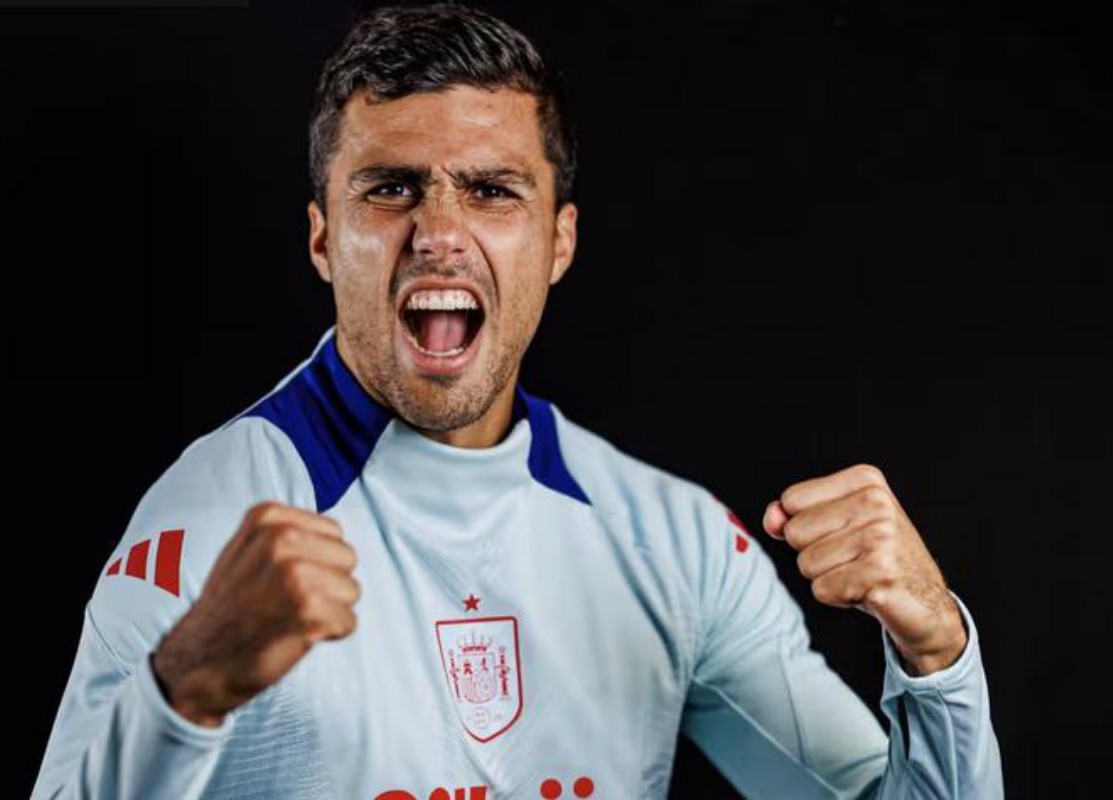
During that period, Wanda’s layout in Spain was more than just Atlético Madrid. Wang Jianlin publicly expressed multiple times that the technical and tactical level and youth training model of Spanish football are worth learning for Chinese football. Indeed, from Barcelona’s La Masia to Real Madrid’s Castilla, Spain’s youth training system is among the best worldwide.
Business Logic of the Football Industry
Wang Jianlin’s view on Spanish football is pragmatic. He believes football is not just a sports project but a huge commercial ecosystem. At a business forum in Madrid, he detailed the value chain of the Spanish football industry:
| Industry Segment | Annual Revenue (in billions €) | Main Revenue Sources |
|---|
| Professional Leagues | 30-40 | Broadcasting rights, sponsorships, ticket sales |
| Youth Training System | 5-8 | Training fees, transfer fees |
| Peripheral Industries | 15-20 | Merchandise, tourism, media |
This table shows that Spanish football is indeed a massive industry. Wang Jianlin’s idea at the time was clear: to introduce this model into China, especially the youth training sector.
Realistic Considerations of Sino-Spanish Football Cooperation
To be honest, Wang Jianlin’s attitude towards Spanish football evolved later. In 2018, Wanda sold its shares in Atlético Madrid, which involved complex business considerations. In subsequent interviews, Wang Jianlin mentioned that the cultural differences between Chinese and Spanish football are larger than imagined, and simple capital injection cannot solve the fundamental problems of Chinese football.
He especially emphasized that pure financial investment cannot immediately improve football standards; the key is to establish a comprehensive football ecosystem. This perspective is also recognized by local Spanish football experts, as Spain’s football success is not overnight but the result of decades of accumulation.
Outlook for the Future
Although Wanda has exited its equity investment in Atlético Madrid, Wang Jianlin’s attention to Spanish football has not diminished. Recently, he still mentions the advanced experience of Spanish football on some occasions, especially regarding youth football development. I find this practical attitude quite positive, as football cooperation should not merely be hype but should truly learn something useful.
As a Chinese living in Spain, I hope there will be more substantive cooperation between China and Spain in football fields such as Wang Jianlin football Spain, be it youth training exchanges or coach development, which are more meaningful than pure capital operations. What do you think?
