A Dark Moment for Spanish Football
As a long-time follower of Spanish football, watching the national team’s performance at the Euros is truly heartbreaking. From the golden era of 2008-2012 to the current downturn, what has happened to Spanish football? Today, let’s delve into the deeper reasons behind Spain’s Euro exit.
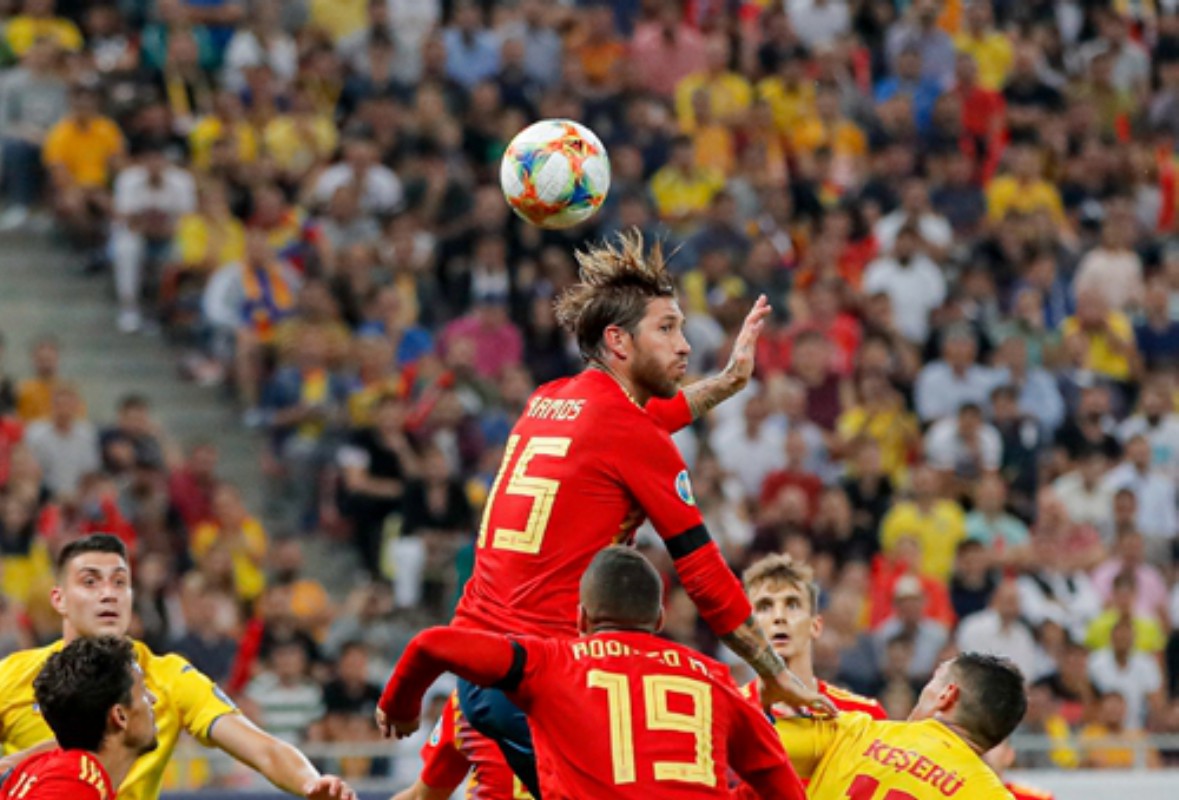
Tactical Rigidity and Obsolescence
In recent years, Spain has continuously adhered to the possession-based style, but the problem lies in the overly conservative tactical mindset. Facing the modern football trends of rapid counterattacks and high pressing, our midfield passing remains precise but lacks penetration and threat. Especially against well-organized defenses like Italy’s, endless sideways passes proved meaningless.
The coaching staff must reflect on why our attacking patterns are so easily read by opponents. Is the traditional 4-3-3 formation still suitable in modern football? These are pressing realities.
Player Form and Age Structure Issues
Let’s look at the key players’ performance data:
| Player | Age | Goals This Tournament | Pass Success Rate per Match |
|---|
| Morata | 30 | 1 | 82% |
| Pedri | 21 | 0 | 89% |
| Gavi | 19 | 0 | 85% |
| Busquets | 35 | 0 | 92% |
From the data, veterans have rich experience, but lack decisive impact during critical moments. Young players have good skills but lack experience in major tournaments. This transition gap directly affects the overall competitiveness of the team.
Psychological Fragility
We have to acknowledge that Spanish players suffer from psychological issues in crucial matches. The penalty shootout losses are not coincidental but a result of long-term cumulative mental pressure. When games reach a boiling point, players often choose more conservative approaches rather than bravely taking responsibility.
This psychological shift started to appear since the 2014 World Cup group stage exit and has become a habitual mindset. Rebuilding the team’s confidence is a core issue Spanish football must address in the coming years.
Outlook and Recommendations for the Future
Although this exit is disappointing, I believe it is also an opportunity for reassessment and adjustment. Spanish football needs to maintain its technical strengths while enhancing physical confrontation and mental resilience.
Youth training systems should diversify, not only cultivating technical players but also focusing on comprehensive player development. Additionally, tactically, there must be bravery in innovation rather than relying solely on past successful formulas.
Hopefully, this setback can become the starting point for the resurgence of Spanish football. Let’s look forward to the exciting performances of La Roja in the next major tournament! What are your thoughts on this exit? Feel free to share your views in the comments section.
