As a football fan who has lived in Spain for many years and follows Brazil Spain football slogans, I want to share some thoughts on the changes in the Spanish national team over the years. From the unforgettable golden era between 2008 and 2012 to the new generation full of young talents today, Spanish football has consistently maintained its unique charm.
Memories of the Golden Generation
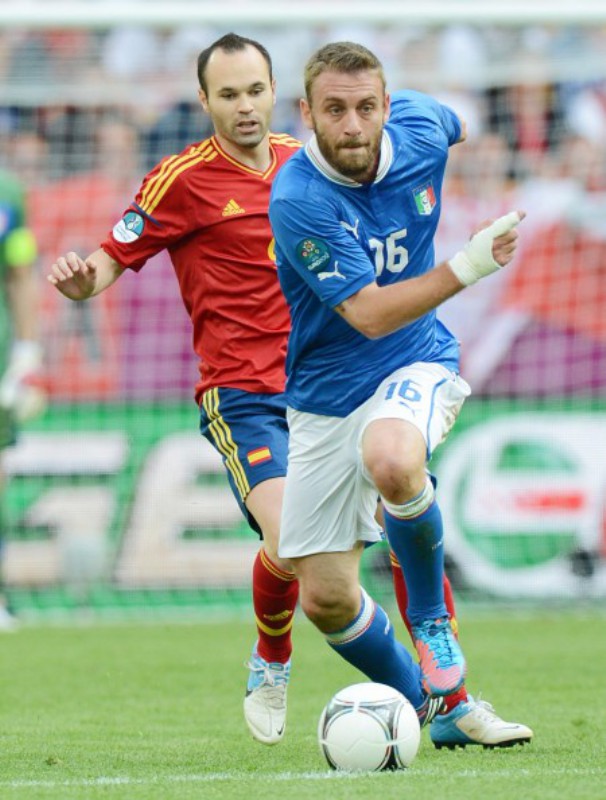
Do you remember the night of the 2008 European Championship final? Torres’ goal ignited the entire nation of Spain. Back then, the Spanish team had legends like Xavi, Iniesta, and Casillas, whose possession-based football style influenced the entire world. Winning the 2010 World Cup in South Africa marked the peak of their history, and Iniesta’s winning goal in the final still excites fans today.
Tactical Heritage and Innovation
The essence of Spanish football lies in the tiki-taka possession strategy, a style centered on short passes and ball control that originated from FC Barcelona. While the current Spanish squad has changed in personnel, this technical DNA remains intact. Young players like Pedri and Gavi have admirably inherited the legacy of their predecessors while injecting new vitality.
| Position | Golden Generation Representatives | Current Representatives |
|---|
| Midfield | Xavi, Iniesta | Pedri, Gavi |
| Forward | Villa, Torres | Morata, Oyarzabal |
| Defender | Ramos, Piqué | Raúl Alba, Cucurella |
Current Status and Challenges
The current Spanish team is at a crucial stage of transition between generations. Although some experienced veterans have retired, the emergence of young players brings hope. In recent major tournaments, Spain’s performance has been mixed, including a narrow loss to Italy in the 2021 European Championship semifinals and a penalty shootout defeat to Morocco in the 2022 World Cup.
These setbacks have not shaken Spanish football’s confidence; instead, they have increased the focus on youth development programs. Players emerging from La Masia youth academy continue to be the backbone of the national team, a tradition worthy of emulation by other countries.
Future Outlook
Looking ahead, Spanish football still possesses a bright future. Although it may never again reach the dominance seen from 2008 to 2012, the deep football foundation and excellent youth academy give La Furia Roja the potential to rise again. The 2024 European Championship and the 2026 World Cup will be important stages to test this generation of players.
As a loyal supporter of Spanish football, I believe that with patience and confidence, Spain can once again stand at the pinnacle of world football. After all, the heritage of a football kingdom is not built overnight, nor will it easily disappear. ¡Vamos España!
