As a football enthusiast who has lived in Spain for many years, I have always had a special interest in Chilean football. Although both are Spanish-speaking countries, their football styles show strikingly different characteristics, making this comparison fascinating.
Differences in Historical Development
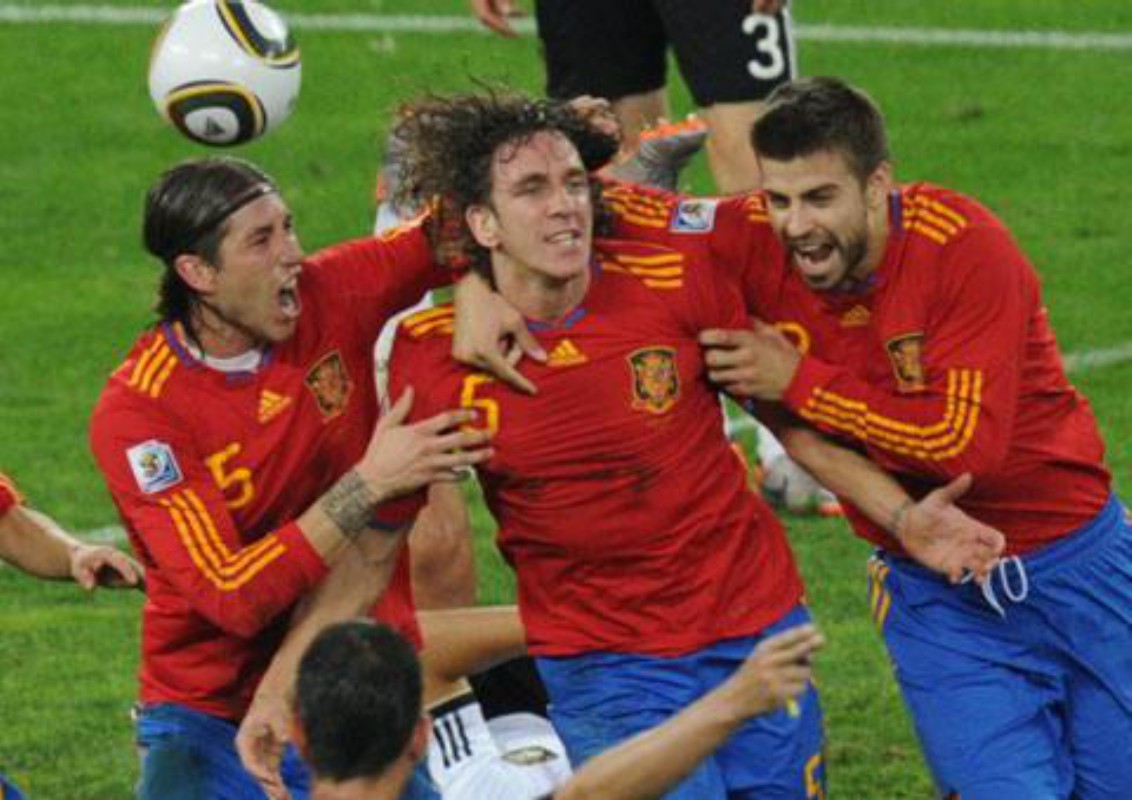
Spanish football has evolved from a technically focused style to the tiki-taka era. The golden period from 2008 to 2012 showcased to the world the artistry of possession football. Chilean football, on the other hand, has been more influenced by Argentina and Brazil, with South American-style passion and individual skills becoming the hallmark of Chile-Spain joint football ranking Chilean football. Stars such as Vidal and Sánchez embody the robust style of Chilean football.
Tactical and Technical Style Comparison
The two countries have clear differences in tactics and techniques:
| Feature | Spain | Chile |
|---|
| Passing Style | Mainly short passes | Direct and quick |
| Defense Style | High pressing | Fierce man-marking |
| Attack Traits | Possession priority | Sharp counterattacks |
| Player Traits | Technically refined | Physically strong |
From this comparison, it is evident that Spain focuses more on technical perfection, while Chile leans towards the directness and efficiency typical of South American football.
Player Exchange and Mutual Influence
In recent years, more Chilean players have opted to play in the Spanish league. Vidal proved himself at Sevilla, and although Sánchez did not play in La Liga long-term, his style is loved by Spanish fans. Conversely, some Spanish coaches have begun to pay attention to South American training methods.
This mutual learning process has driven progress in both nations’ football. Chile won consecutive Copa América titles in 2015 and 2016, showcasing a more mature tactical system influenced by European football principles.
Future Development Prospects
Chilean football is undergoing a crucial generational transition, while Spain seeks a new direction in the post-tiki-taka era. Exchanges and learning between the two football cultures will become more frequent. Purely technical play or solely physical confrontation can no longer meet the demands of modern football; integration of strengths from both styles is the key.
Personally, if Spain football Chile football can maintain the South American passion while incorporating more of European football’s tactical discipline, it will achieve better results on the international stage. Meanwhile, Spanish football needs to add South American flair and creativity beyond its technical traditions.
