As a football enthusiast who has lived in Spain for many years and follows the latest form of Spanish football, I have been paying close attention to the development of Spanish football recently. From the national team to the club level, Spanish football is undergoing an interesting transitional period, and today I would like to share some observations and thoughts.
Stable Development at the National Team Level
Since Luis Enrique’s departure, the Spain national team has been managed by De la Fuente, with an overall stable performance. In recent international matches, the team has demonstrated good tactical execution, especially regarding midfield control and creating chances upfront. Young players like Gavi and Pedri have shown impressive maturity, forming a strong generational link with veterans such as Busquets and Alba.
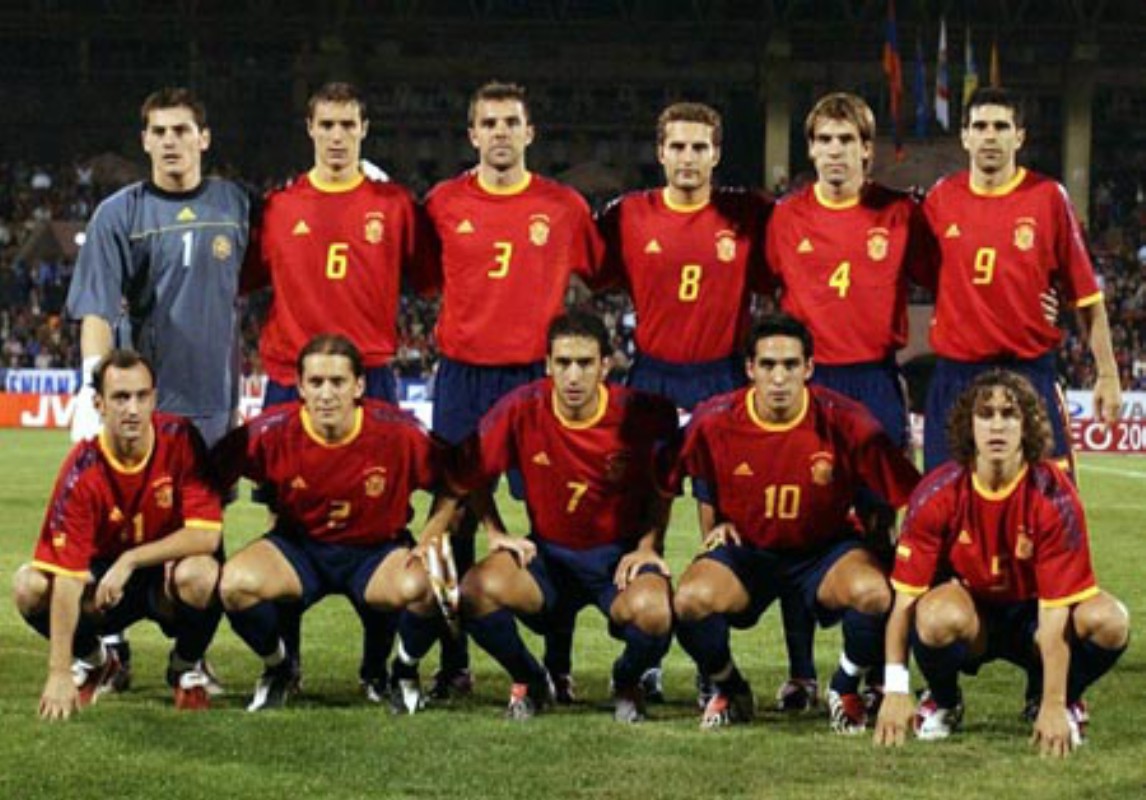
Notably, the Spanish team has made significant defensive improvements. The defensive line problems criticized in recent years have been eased through the introduction of new tactical systems and the emergence of young central defenders.
La Liga Competition Landscape
The competitive landscape of La Liga this year has undergone noticeable changes. Real Madrid, after losing Benzema, has shown a different tactical style through new signings like Bellingham. Barcelona, under Xavi’s leadership, is gradually rediscovering the essence of traditional possession football.
| Team | Recent Form | Key Players |
|---|
| Real Madrid | Stable | Bellingham, Vinicius |
| Barcelona | Rising | Gavi, Pedri |
| Atlético Madrid | Inconsistent | Griezmann, Morata |
From my personal observations, the overall competitive level of La Liga remains very high. Although the departure of superstars like Messi and Ronaldo has indeed affected the league’s commercial value, the rapid development of young players fills this gap.
The Rise of the Young Generation
The most exciting aspect is the performance of the new generation in Spanish football. Players like Gavi, Pedri, and Ansu Fati not only possess excellent skills but also strong mental resilience. Their performances in crucial matches demonstrate the success of Spain’s youth training system.
The growth paths of these young players are also interesting, as most have risen through club academies. This training model not only ensures a high technical level but also importantly inherits the culture and philosophy of Spanish football.
Challenges and Opportunities Coexist
Spanish football also faces some challenges. The financial fair play regulations have impacted the transfer policies of some major clubs, forcing them to rely more on youth development and smart transfer dealings. However, from another perspective, this also promotes opportunities for young players.
I believe Spanish football is on a healthy development path. Although it no longer holds the dominant edge it once had, its overall strength remains solid, and it should continue to stay competitive in the coming years. As a fan living here, I remain optimistic about the future of Spanish football.
What are your thoughts on the recent performances of Spanish football? Especially on the development of young players, feel free to leave your comments and join the discussion below!
