As a fan living in Spain for many years, I want to share with you the country’s astonishing football golden era. From 2008 to 2012, Spanish football reached unprecedented heights, a period that remains unforgettable.
The Duel of the Two Giants at the Club Level
When talking about Spanish football, one cannot ignore the two powerhouses: Barcelona and Real Madrid. Between 2008 and 2012, under Guardiola’s leadership, Barca built the strongest tiki-taka system centered around Messi. Meanwhile, Real Madrid, with Mourinho as coach, leveraged Cristiano Ronaldo’s individual talents and team coordination to fiercely compete with Barca.
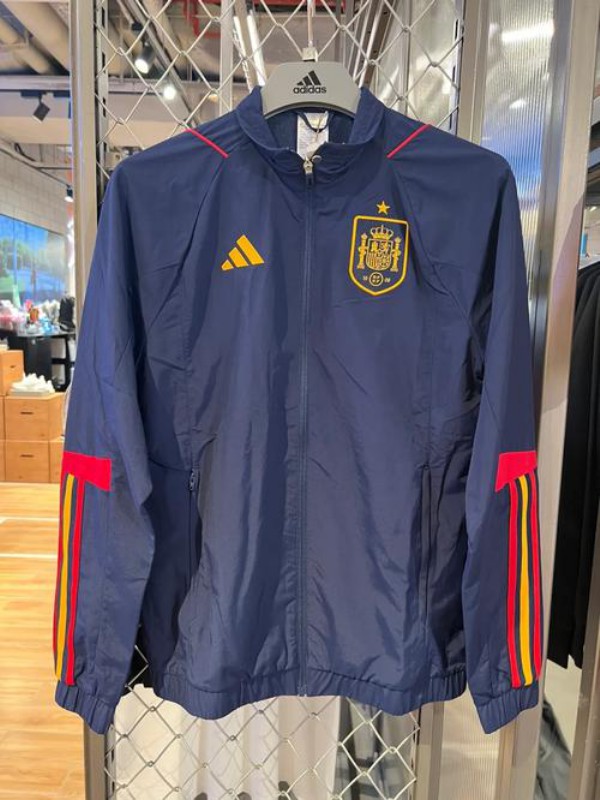
The El Clásico matches during this era were truly classics, each game a battle of tactics and skills, pushing the overall level of Spanish football higher. Barca’s La Masia academy produced world-class stars like Xavi, Iniesta, and Puyol, while Real Madrid gathered top global talents through their Galácticos policy.
Historic Breakthroughs of the National Team
The Spain national team achieved an unprecedented treble during this period: the 2008 European Championship, the 2010 World Cup, and the 2012 European Championship. Their secret to success was the perfect blend of Barca’s tiki-taka philosophy with Real Madrid players’ individual abilities.
| Tournament | Year | Key Players | Tactical Features |
|---|
| European Championship | 2008 | Villa, Torres | Quick possession play |
| World Cup | 2010 | Iniesta, Casillas | Solid defense + precise passing |
| European Championship | 2012 | Silva, Alonso | Ultimate possession control |
Profound Influence of Football Philosophy
Spanish football’s success is not only shown in achievements but, more importantly, it introduced a football philosophy different from traditional European styles. The tiki-taka style emphasizes possession rate, short passing combinations, and patient opportunity seeking. This style has since been widely learned and emulated worldwide.
From the youth training perspective, Spanish clubs put great emphasis on developing technically skilled players, focusing on football intelligence and technical details. This philosophy has nurtured generation after generation of technically gifted players, laying a foundation for the sustained development of Spanish football.
Lessons for Global Football
Spain’s football golden era has provided the peak era of Spanish football profound inspirations for football development worldwide. First is the importance of youth training systems; the La Masia model has been copied by many clubs. Second is tactical innovation; tiki-taka influenced modern football’s direction. Finally, the balance between team spirit and individual talent was proven essential by Spain’s success—showing that even with many stars, teamwork is crucial.
Looking back now, the Spanish football of that era truly made history. Although the golden generation has aged, their football legacy continues to influence new players. As fans, we were privileged to witness this great era and look forward to Spain reaching its peak once again.
