In recent years, Spanish football has been undergoing a profound transformation. As a football enthusiast who has lived in Madrid for five years during the peak era of Spanish football, I have witnessed firsthand the cultural shift within the country’s football scene—from the traditional rivalry between Real Madrid and Barcelona to a more diversified and youthful development trend.
New Challenges for Traditional Giants
Real Madrid and Barcelona remain the main pillars of Spanish football, yet they face unprecedented challenges. The strict enforcement of fiscal fair play policies has forced these classic clubs to reassess their operational strategies. Barcelona’s financial crisis led to Messi’s departure, while Real Madrid has placed greater emphasis on nurturing and discovering young talents. This evolution has in fact brought more competitive balance to La Liga.
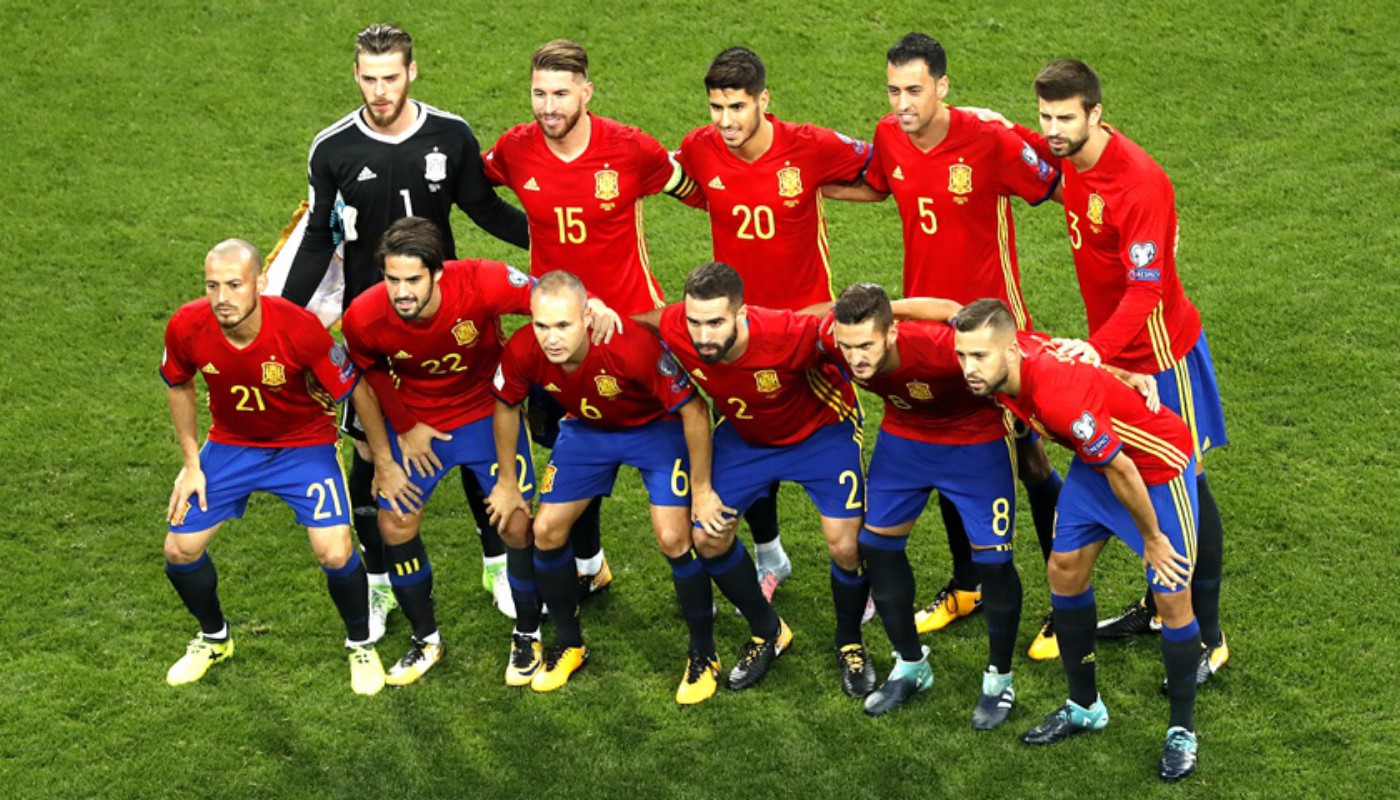
From my personal observation, the passion for football among Madrid residents has not diminished despite the loss of superstar players; instead, there is growing anticipation for local young talents. Young faces like Pedri and Gavi are becoming new idols.
Comprehensive Upgrade of Youth Training Systems
The innovation in Spain’s youth training system is arguably the most defining feature of this new era. I often pass by youth training centers near Madrid and can clearly sense the shift in training philosophy.
| Traditional Youth Training Model | Modern Youth Training Model |
|---|
| Emphasis on physical confrontations | Focus on technical details |
| Fixed positional training | Rotational positions |
| Template tactics | Personalized development |
| Localized and closed | International and open |
This change is visible not only at the professional club level; even community football schools are adopting more scientific training methods. My neighbor’s child trains at a local football school, where now there is greater emphasis on developing players’ creative thinking rather than just physical fitness.
Tactical Innovation and Coaching Philosophy
Spanish football today also shows more tactical diversity. The traditional tiki-taka possession style still exists, but coaches have started incorporating more elements. Tactics like high pressing, quick counter-attacks, and wing breakthroughs are applied more flexibly.
The possession football philosophy established during Guardiola’s era is being reinterpreted by a new generation of coaches. Coaches such as Luis Enrique maintain the core spirit of Spanish football while integrating more practical elements. This evolution has allowed the Spanish national team to showcase a distinctive style in recent matches.
Changes in League Competition Landscape
The competitive landscape of La Liga is quietly evolving. Besides the traditional big three of Real Madrid, Barcelona, and Atlético Madrid, clubs like Real Sociedad, Villarreal, and Sevilla are rising. People used to say La Liga was a three-horse race, but now it seems the overall league level is improving, and any team can cause an upset.
I recall last season Real Sociedad’s performance caught many by surprise—their youth products and tactical execution reached a high standard. This change represents a healthy development trend for the entire Spanish football ecosystem.
This new era of Spanish football preserves traditional technical traits while integrating modern football development concepts. As a fan, I look forward to seeing what surprises this transformation may bring to the football world in the coming years. What do you think about these changes in Spanish football? Feel free to join the discussion!
