Spanish Football Lacks Passion: A Decade of Rise and Decline from Glory to Mediocrity
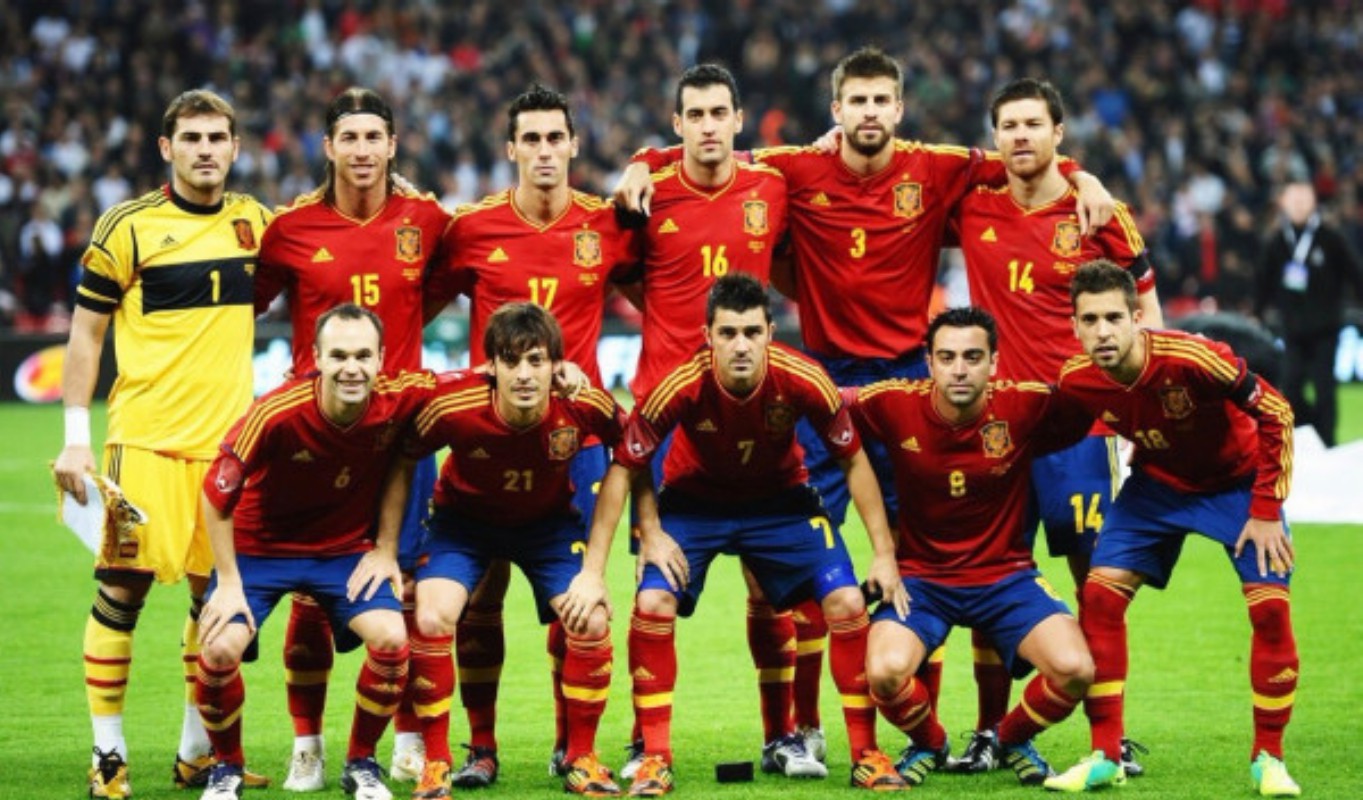
As a football fan who has lived in Spain for eight years, I must admit a painful fact: Spanish football is losing the passion it once had. From the golden era of 2008-2012 to today’s mediocre performances in major competitions, the team that once made the whole world go crazy seems to have lost the thrilling charm that used to ignite the blood.
The Beauty and Boredom of Technical Football
The core problem of Spanish football lies in an excessive obsession with a technical style. Although the tiki-taka tactic once conquered the world, this system has now become overly formulaic. I remember watching matches at Camp Nou, where often the crowd would see this: 90 minutes of play with the first 80 minutes spent passing back in the defensive half, making the fans sleepy. In contrast, matches involving strong teams like Germany and France are always full of unpredictability and surprises.
| Period | Characteristics | Entertainment Value |
|---|
| 2008-2012 | Combination of skill and passion | Very high |
| 2013-2018 | Over-technical style | Medium |
| 2019-present | Lack of creativity | Low |
Homogenization Issues in Youth Training
Though the Spanish youth training system is well developed, it has also led to serious homogenization problems, as explained in The Passion of Spanish Football Commentary. The La Masia model has been mindlessly copied nationwide, resulting in players who all share similar traits: not very tall, technically refined but lacking physical confrontation and pace. When facing new generation stars like Mbappé and Haaland, the Spanish defense seems helpless.
Traditional Spanish midfielders are outdated; modern football requires more well-rounded players. Unfortunately, the Spanish Football Federation seems still stuck in past glories and unwilling to accept this reality.
Vicious Cycle between League Environment and National Team Performance
The polarization of La Liga is also a problem. Real Madrid and Barcelona monopolize most of the resources, while other clubs struggle to get by. This unbalanced competitive environment results in most Spanish players lacking experience in truly high-intensity confrontations. When they face physical challenges from Premier League and Bundesliga players on the international stage, they often appear overpowered.
In bars in Madrid, I often hear veteran fans complain: “Today’s players are too delicate, where is the fighting spirit of legends like Raúl and Puyol?” While somewhat absolute, this reflects a real issue.
Seeking a Way to Reignite Passion
To reignite the passion in Spanish football, reforms need to happen on multiple levels. First is updating youth training philosophy, no longer pursuing technical skills at the expense of physical and mental resilience. Second, the league’s competitive balance must improve to give more teams opportunities to develop and showcase talent.
Most importantly, Spanish football must regain the pure emotion of “playing for the country.” Today’s players seem more like task-completing machines rather than warriors fighting for honor. Only by reigniting this passion can Spanish football return to its peak.
