Recently, while chatting with some friends beside a football field in Madrid, an interesting topic came to mind: what is the real life of those coaches who deal with football every day? As a football fan who has lived in Spain for several years, I have met many football coaches, from youth training to professional leagues, and today I want to talk about the true state of these football educators.
Youth Coaches: Where Dreams Meet Reality
When talking about Spanish football coaches, the first mention has to be youth coaches. These people are basically the cornerstone of Spanish football, but their lives aren’t as glamorous as one might imagine. I know a coach named Carlos who works at a youth academy in Valencia; he has to be at the training ground by 6 am and doesn’t get home until 9 pm. His monthly salary is about 1200-1800 euros, which can barely cover the cost of living in Spain.
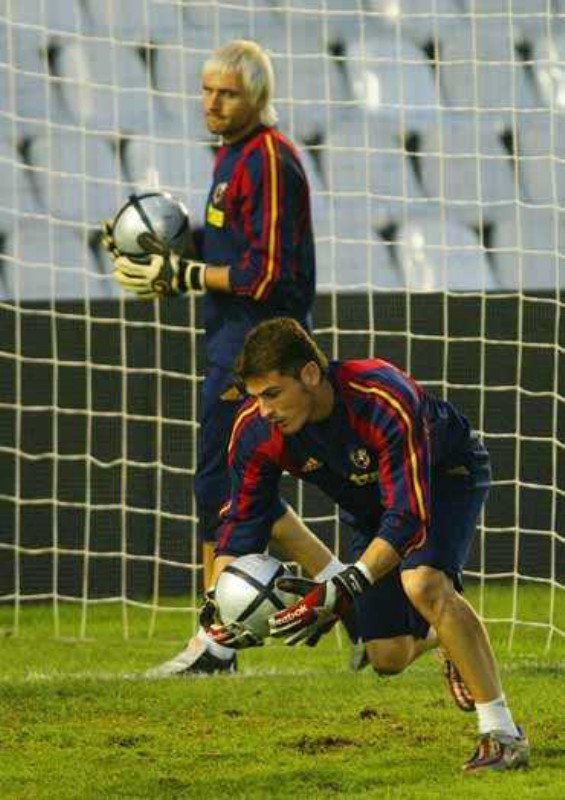
However, the work of youth coaches is truly meaningful. Carlos often tells me that seeing those kids go from knowing nothing to becoming skillful players provides a sense of achievement that money can’t buy. Moreover, if they manage to develop a real prodigy, it is an immense success for the coach’s career.
Income Comparison Across Different Coaching Levels
| Coach Level | Monthly Salary Range | Working Hours | Main Responsibilities |
|---|
| Youth Coach | 1200-1800 | 10-12 hours/day | Basic skills training |
| Amateur League Coach | 800-1500 | Part-time | Tactical guidance |
| Professional League Assistant Coach | 3000-8000 | Full-time | Assisting the head coach |
| Professional League Head Coach | 15000+ | Full-time | Full team responsibility |
Life of Coaches in Professional Leagues
In contrast, the lives of professional league coaches are much better. I know an assistant coach in the second division in Seville whose monthly salary is around 4000 euros. Although the pressure is high, at least his quality of life is assured. Their daily work involves not only training but also analyzing opponent footage, planning tactics, and communicating with players.
Some people think professional coaches just shout instructions on the sidelines, but it’s far from that. They need to master a large amount of theoretical knowledge and have strong psychological resilience. After all, losing a match might mean losing their job.
Essential Requirements to Become a Football Coach
To become a football coach in Spain, you first need to obtain the corresponding coaching certificates. The Spanish Football Federation offers a comprehensive training system, from the most basic supervisor certificate to the highest-level professional coach certification, each with strict requirements. I have a friend who spent nearly two years obtaining the level two coaching certificate, which required not only attending theoretical courses but also completing many hours of practical internships.
Language skills are also important. While Catalan or Basque can be used in some regions, Spanish is essential. Moreover, the salary of Spanish football coaches becomes increasingly tied to English proficiency if you want to work in higher-level leagues.
Though the coaching profession in Spain is challenging, it remains very attractive for those who truly love football. After all, being able to turn your passion into a career and contribute to the development of Spanish football, as shown in the story of a Spanish football coach’s passing, is a truly cool thing. Feel free to leave comments below if you want to learn more!
