Dark Ages of Spanish Football
As a fan who has lived in Madrid for ten years and witnessed the worst moments in Spanish football history, I want to talk about some of the less glorious historical moments of Spanish football. Although Spanish football is now at its peak, looking back, there were quite a few painful low periods.
The National Team’s Long Wait
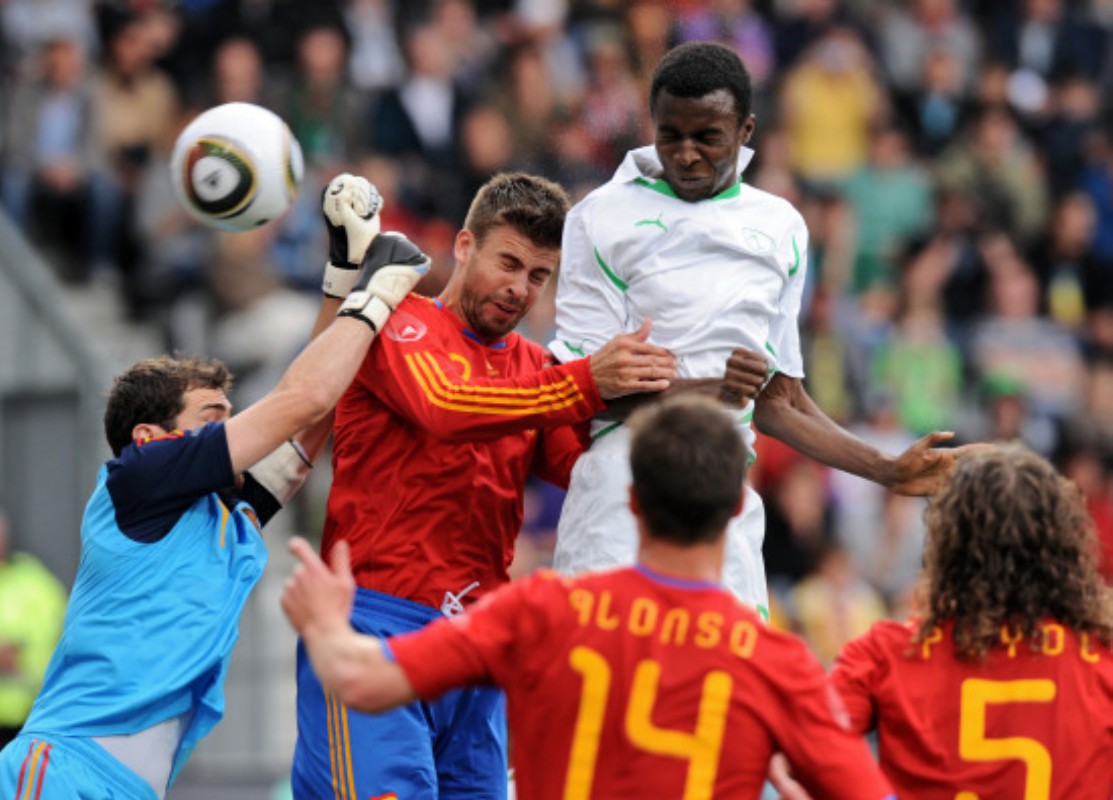
When mentioning Spanish football’s low points, one cannot miss the national team’s long drought in major tournaments. After winning the 1964 European Championship, the Spanish national team went 44 years without securing any major titles. During this period, they suffered countless penalty shootout losses and faltered at crucial moments, earning the nickname “perpetual runner-up.”
Ups and Downs at the Club Level
Even giants like Real Madrid and Barcelona have faced dark times. Real Madrid’s nightmare of 16 consecutive UEFA Champions League defeats between 2000 and 2009 included six straight seasons stopping at the round of 16. Barcelona also experienced a downturn in the late 1990s, nearly facing relegation. Athletic Bilbao, despite its long tradition, has struggled to regain its former glory in recent years.
| Period | Main Issue | Typical Event |
|---|
| 1960s-1980s | Conservative tactics | Group stage exit at 1982 World Cup |
| 1990s | Talent gap | Failed to qualify for 1998 World Cup |
| Early 2000s | Poor mental strength | Eliminated by penalty shootout in 2002 World Cup |
Tactical Stagnation
For a long time, Spanish football relied excessively on technique while neglecting physicality and speed. This “beautiful football” approach looked good but often lacked cutting edge in crucial matches. It was not until the reforms introduced by coaches like Guardiola and De la Frel that a balance between skill and pragmatism was found.
Previously Lagging Youth Development
Compared to South American countries like Brazil and Argentina, Spain’s youth training system started relatively late. It wasn’t until the late 20th century that the Spanish Football Federation heavily invested in youth academies, establishing programs like La Masia. Before that, many talented young players lacked systematic training and wasted their potential.
It was precisely the worst coaches in Spanish football history who led to these lows and setbacks, ultimately allowing Spanish football to be reborn. During the golden four years from 2008 to 2012, Spain won consecutive European Championship - World Cup - European Championship titles, creating a football miracle. Those painful memories now appear as necessary trials on the road to growth.
