As a football fan who has lived in Spain for many years, whenever I think of the golden period from 2008 to 2012, my heart is filled with excitement. During that time, under Del Bosque’s leadership, the Spanish national team achieved unprecedented glory, truly building a football dynasty belonging to La Furia Roja.
Del Bosque’s Coaching Philosophy and Tactical Revolution
When Del Bosque took over the Spanish national team, his greatest contribution was seamlessly integrating Barcelona’s tiki-taka tactic into the national team system. This possession-centric tactical concept revitalized Spanish football. The possession rate often exceeded 70%, tearing apart opponents’ defenses through short passes, which was a revolutionary change in international football at that time.
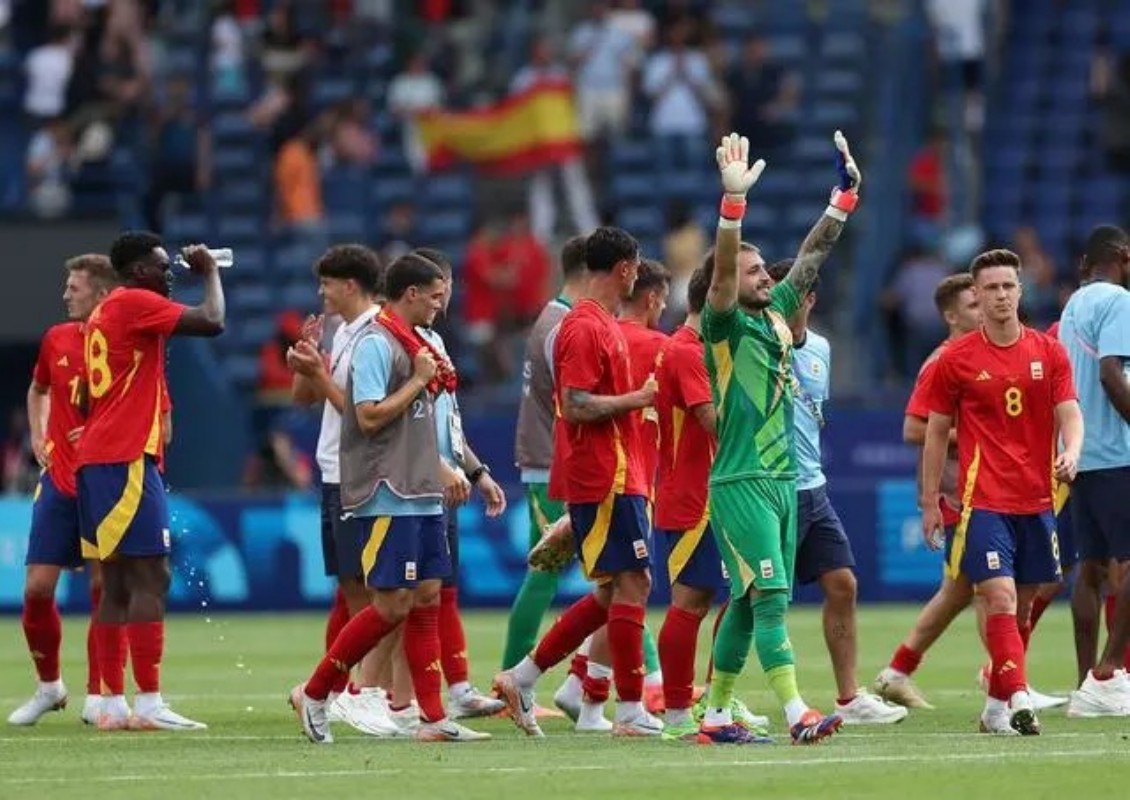
Del Bosque’s cleverest move was his willingness to abandon the traditional striker system and adopt the “false nine formation”. This tactic left opponents completely confused, as every forward on the pitch could become a finisher. Technical players like Xavi, Iniesta, and Silva thrived under his system, just like in the Spanish Football Dynasty Documentary.
The Perfect Fusion of the Golden Generation
The talent of that generation of Spanish players was truly astonishing, but more importantly, Del Bosque united these stars from different clubs. Players from Real Madrid and Barcelona, who are fierce rivals at club level, could perfectly cooperate in the national team, showcasing Del Bosque’s managerial brilliance.
| Position | Key Players | Characteristics |
|---|
| Goalkeeper | Casillas | Quick reflexes, reliable in critical moments |
| Defenders | Ramos, Pique | Balanced attack and defense, aerial threat |
| Midfield | Xavi, Iniesta | Precise passing, control of tempo |
| Forwards | Villa, Torres | Agile movement, strong at seizing opportunities |
Under Del Bosque’s guidance, these players formed the strongest midfield combination in history. Xavi’s long pass distribution, Iniesta’s breakthroughs and assists, and Busquets’ interceptions and protection created an almost impenetrable trio.
Glorious Achievements in Three Major Tournaments
Spain under Del Bosque created the most glorious four years in football history: winning the 2008 European Championship, the 2010 World Cup, and successfully defending the European Championship in 2012. Such achievements are almost impossible to replicate in modern football.
Many doubted Spain’s tactics as too conservative, but the results proved everything. In the 2010 World Cup final in South Africa, facing the Netherlands’ harsh defense, Spain stuck to their style of play. Eventually, Iniesta’s goal in extra time showed the world what “the victory of beautiful football” truly means.
Reflections after the Dynasty’s End
At the 2014 Brazil World Cup, Spain was eliminated in the group stage, marking the official end of Del Bosque’s dynasty. However, this does not overshadow his immense contribution to world football. The tiki-taka tactic influenced an entire generation of coaches and players. Even today, we can still see traces of this style in many teams.
Del Bosque demonstrated that technical football can conquer the world. He transformed Spain from a “qualifying king” into a true football powerhouse. As a fan who witnessed this history, I still feel proud of Spain from that era. It was not only the golden age of Spanish football but also a vivid chapter in the development of world football.
