Recently, while following the development of Asian football, the progress of Thai football over the past few years has truly been remarkable. As a fan who has long followed Spanish football, the rise of Thai football presents both an opportunity and a challenge for us.
Rapid Development Trajectory of Thai Football
The Thai football league has seen huge investments in recent years, not only bringing in many high-level foreign players but, more importantly, focusing on building a youth training system. They have hired European coaching teams, including those from Spain, to learn advanced training concepts and tactical systems. Especially in technical football and short passing combinations, the progress of Thai players is very noticeable.
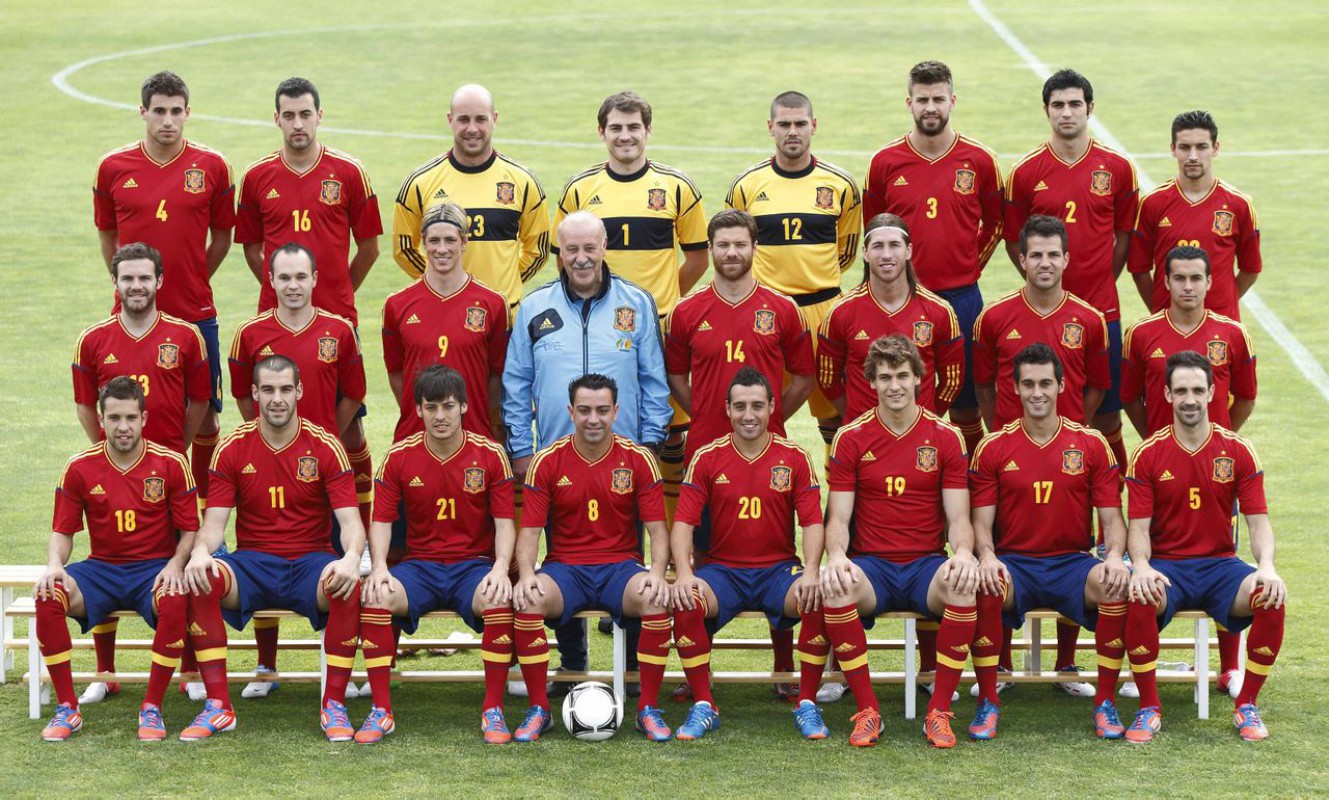
From the perspective of international match results, the Thai national team’s performance in the Asian Cup and World Cup qualifiers has become increasingly stable. Although their overall strength is not yet comparable to Japan, South Korea, or Australia, the speed of their progress is indeed impressive. This rapid development model deserves serious study by the Spanish football community.
Insights for Spanish Football
| Development Elements | Thai Model | What Spain Can Learn |
|---|
| Youth Training Investment | Massive investment in infrastructure | Strengthen cooperation and exchanges with Asia |
| Coach Development | Introduction of advanced European concepts | Export technical and management expertise |
| League Operation | Improved professionalization | Overseas promotion of brand value |
Spanish football has always been known for its delicate technique and advanced tactics, and the development of Thai football precisely proves the adaptability of this system in Asia. We can definitely export the successful youth training model and coach training system to Thailand and other Southeast Asian countries, both helping local football development and expanding new market spaces for Spanish football.
Cooperation Prospects and Opportunity Analysis
From a business perspective, Thailand has a huge football market and a solid fan base with a strong demand for high-level football content. The popularity of La Liga in Thailand has always been high, providing a good foundation for deepening cooperation between both sides. Simple player transfers no longer satisfy the needs of modern football cooperation; more comprehensive technical exchanges and youth training collaborations are the future trend.
Personally, Spanish clubs could consider establishing youth training camps or football academies in Thailand, utilizing local cost advantages to cultivate young players. At the same time, Thai players can better understand European football culture through this platform, preparing for future professional development. This two-way exchange model has positive significance for the development of football in both countries.
