As a longtime fan living in Spain and a follower of Spanish football five-time champions, whenever discussing the pinnacle moments of Spanish football, Barcelona’s two six-trophy achievements are inevitably at the center of the conversation. This is not only a milestone in club history but also a proud symbol of the entire Spanish football culture.
The Guardiola Era Miracle in 2009
In 2009, the then 38-year-old Guardiola led Barcelona to create a legendary chapter in football history. That year, the team won six major trophies successively: Copa del Rey, La Liga, UEFA Champions League, Spanish Super Cup, UEFA Super Cup, and FIFA Club World Cup. The tiki-taka tactics reached perfection that season, with short passes flowing seamlessly, leaving opponents in awe.
Messi displayed astonishing talent that season, scoring 38 goals in 38 matches, becoming the absolute core of the team’s offense. The midfield duo of Xavi and Iniesta was nothing short of artistry; their precision passing and rhythm control often kept Barcelona’s possession above 70%. This tactical style not only influenced Barcelona but also changed the entire trajectory of modern football.
Another Glory Under Enrique in 2015
Six years later, Luis Enrique led Barcelona to complete the six-trophy feat once again. Unlike Guardiola’s era, Enrique’s Barcelona focused more on quick counterattacks and wing breakthroughs. The MSN trio scored 122 goals that season, with an impressive average of more than two goals per game.
Comparison of the Two Six-Trophy Achievements
| Year | Coach | Core Tactics | Key Players | Total Goals |
|---|
| 2009 | Guardiola | tiki-taka control | Messi, Xavi, Iniesta | 158 goals |
| 2015 | Luis Enrique | Quick counterattack | MSN trio | 180 goals |
Far-Reaching Impact on Spanish Football Culture
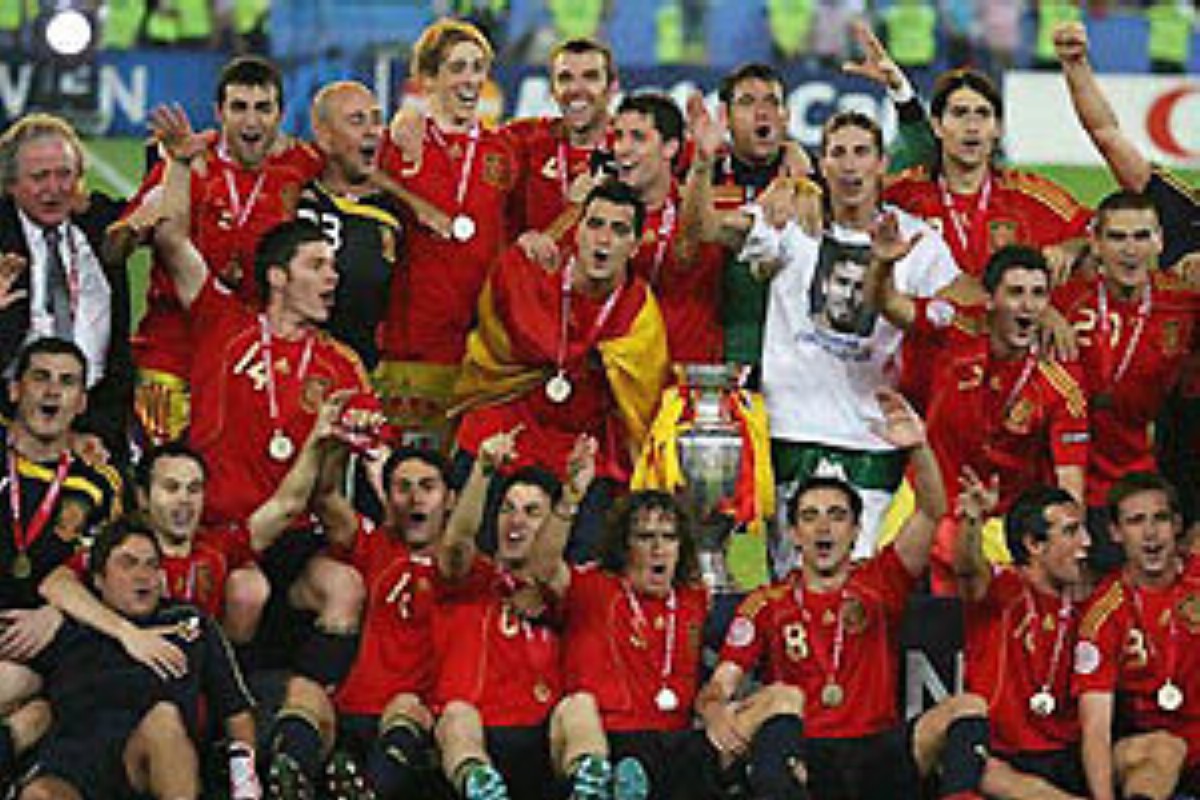
These two six-trophy achievements not only elevated Barcelona’s status in world football but also propelled the Catalan football philosophy onto the global stage. Many consider this merely a club-level success, but in reality, this success model influenced the tactical system of the entire Spanish national team, laying the foundation for their three consecutive championships in the 2008 European Championship, 2010 World Cup, and 2012 European Championship.
Looking back, the experience of watching those classic matches live at Camp Nou remains thrilling. As fans living in Spain and followers of the Spanish football six-time champions ranking, we were fortunate to witness one of the most glorious moments in football history, an experience that words alone cannot fully capture.
