As a football enthusiast who has lived in Spain for many years, I want to share with you the journey of Spanish football championships. From watching Real Madrid’s Galácticos in my childhood to Barça’s Dream Team, and then to Spain’s golden generation, the football culture in this country is truly rich.
Early Development Stage
Spanish football’s origins trace back to the early 20th century. Real Madrid Football Club was founded in 1902, and Barcelona Football Club in 1899; these two clubs showcased different styles and philosophies from the start. Real Madrid represents royal tradition and centralization, while Barça embodies the independent spirit of Catalonia.
In 1928, La Liga was officially established, marking the professional era of Spanish football. Early La Liga was dominated mainly by Real Madrid, Barça, and Athletic Bilbao. Notably, Athletic Bilbao was very strong during the 1930s and 1940s, winning multiple league titles.
Real Madrid’s Rise and the Five Consecutive European Cup Wins
During the 1950s, Real Madrid experienced the most glorious period in its history. Under the leadership of Santiago Bernabéu, the predecessor of Florentino Pérez as club president, Real Madrid acquired world-class stars like Alfredo Di Stéfano and Ferenc Puskás. From 1956 to 1960, Real Madrid achieved an unprecedented five consecutive European Cup victories, a record unbeaten to this day.
Arrival of the Modern Football Era
From the 1990s onward, Spanish football entered a phase of modernization. The Bosman ruling allowed freer player transfers, attracting more Spanish football rise journey international stars to La Liga. In the early 2000s, Real Madrid built the famous Galácticos, assembling superstar players such as Zidane, Ronaldo, Beckham, and Kaká.
Meanwhile, Barça gradually developed a distinctive possession-based style under the influence of Johan Cruyff. When Guardiola took charge in 2008, this style reached its peak with the midfield trio of Messi, Xavi, and Iniesta captivating the football world.
| Year Range | Real Madrid UEFA Champions League Titles | Barcelona UEFA Champions League Titles | Notes |
|---|
| 1950-1960 | 5 | 0 | Real Madrid’s five consecutive titles era |
| 1990-2000 | 2 | 1 | Beginning of the modern football era |
| 2000-2010 | 1 | 2 | Rise of Barça’s Dream Team |
| 2010-2020 | 4 | 2 | Real Madrid’s second golden era |
The Spanish National Team’s Glory Moments
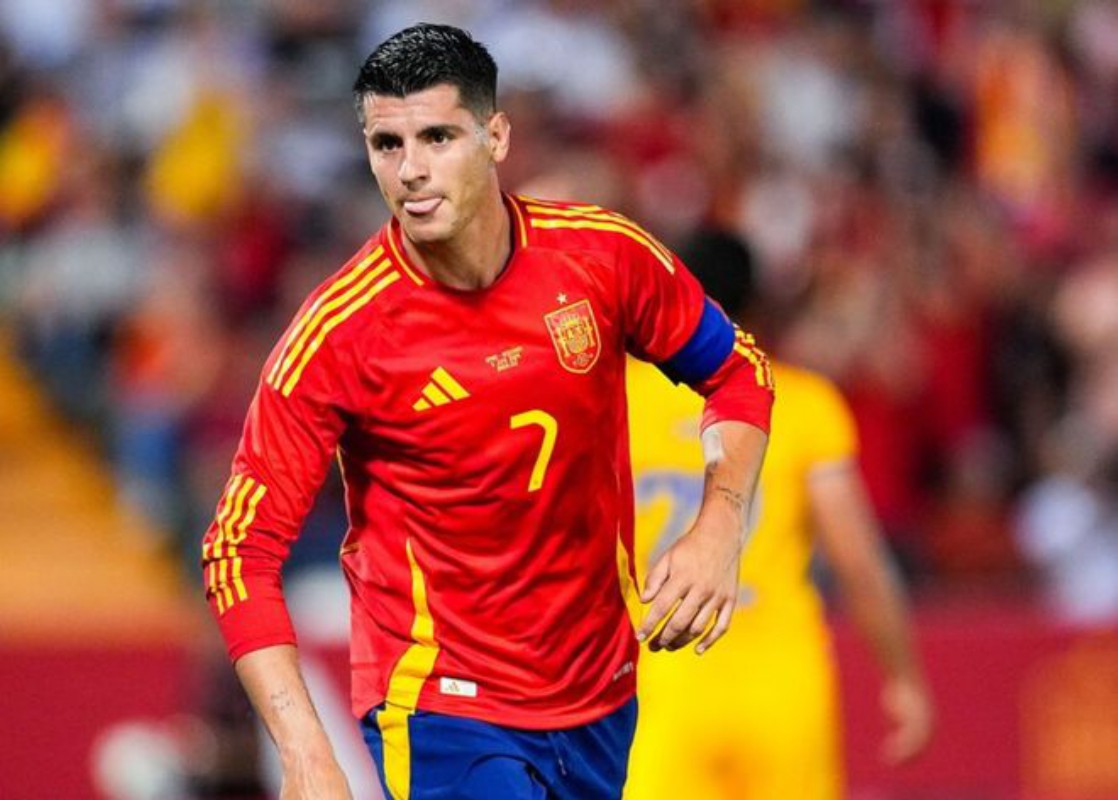
When discussing Spanish football, the golden generation from 2008 to 2012 cannot be missed. During these four years, Spain achieved an unprecedented treble: the 2008 European Championship, the 2010 World Cup, and the 2012 European Championship. This team was built on Barça’s possession style, enriched with individual talent from Real Madrid players, creating a miracle in modern football history.
Iniesta’s goal in the 2010 World Cup final still brings tears of joy to countless Spanish fans. At that moment, the entire nation was electrified; I remember being in a Madrid bar where everyone embraced to celebrate.
Challenges and Opportunities in Contemporary Spanish Football
Entering the late 2010s, Spanish football faced new challenges. The older generation gradually retired, while the new generation was still developing. However, judging by recent performances, Spain’s youth academy system remains strong. Young talents like Ferran Torres, Pedri, and Gavi are taking over from their predecessors.
The future of Spanish football remains full of hope. At both club and national levels, the country’s football traditions will continue to thrive. As a fan living here, I am full of anticipation.
