Comparative Analysis of Youth Football Training Models in Japan and Spain
As a long-time football enthusiast, I’d like to share some insights into the different approaches Japan and Spain take in youth football training. Although these two countries have vastly different cultural backgrounds, each has its unique features and successes in developing young football talents.
The Heritage and Innovation of Spain’s Youth Training System
Spain’s youth football training system is considered one of the world’s benchmarks. From Barcelona’s La Masia academy to Real Madrid’s Castilla, Spanish clubs never spare investment in youth development. One of the biggest features of Spanish youth training is the emphasis on technical detail and tactical understanding; kids start receiving professional football education at a very young age.
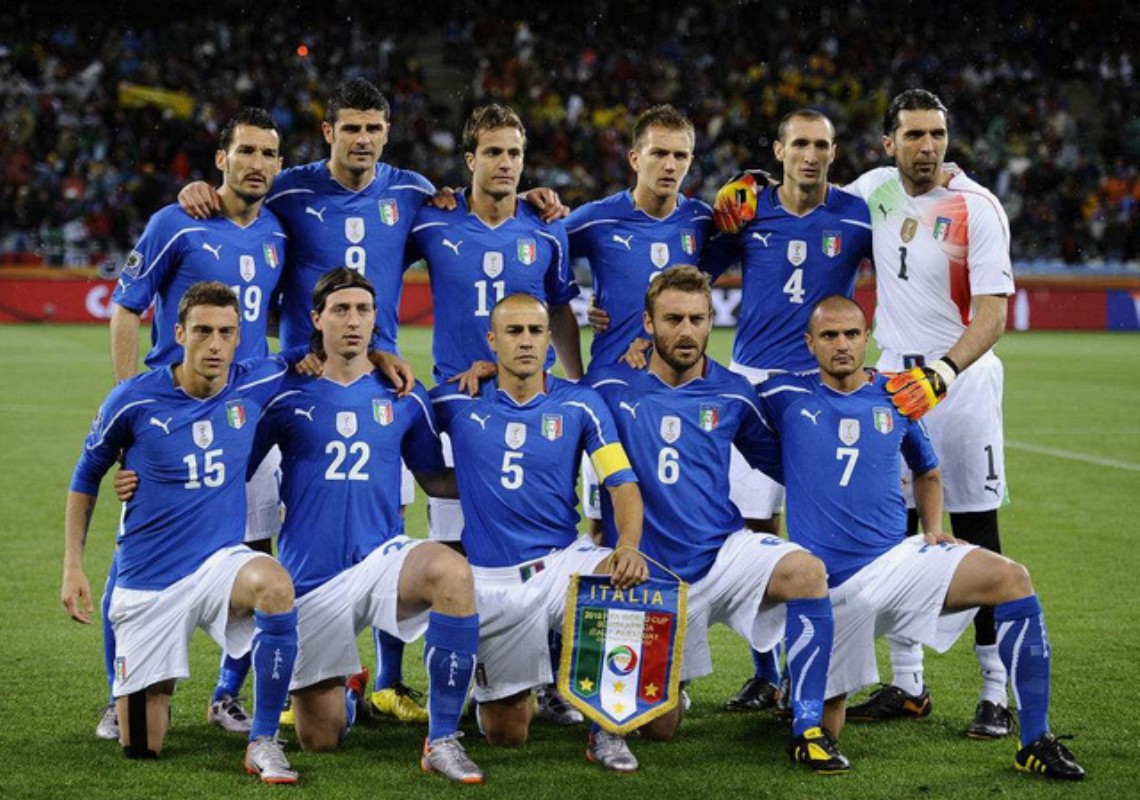
An interesting aspect of the Spanish youth system is their strong focus on players’ cultural education. Many academies require young players to complete their schooling, ensuring holistic development and providing a safety net for those who may not turn professional.
Japan’s Meticulous and Scientific Youth Training Management
In contrast, Japan follows a different path in youth football training. Since the 1990s, the Japan Football Association has heavily invested in infrastructure, establishing a comprehensive youth development system. Japan’s youth training is characterized by meticulous and scientific management; they keep detailed records of each young player’s physical data, technical progress, and even psychological condition.
Another commendable aspect of Japanese youth training is the emphasis on basic physical fitness and conditioning. Although Japanese players may not have physical advantages in stature, scientific training enables them to excel in speed, agility, and endurance.
Comparison of Youth Training Models
| Comparison Item | Spanish Model | Japanese Model |
|---|
| Training Focus | Technical finesse, creativity | Basic fitness, tactical execution |
| Management Style | Traditional mentorship-based | Data-driven refined management Spanish football youth team |
| Cultural Education | High emphasis on academics completion | Emphasis on team discipline |
| Selection Criteria | Balance of talent and skills | Comprehensive quality evaluation |
Insights from Successful Cases
Both countries have produced numerous world-class stars. Spain boasts technically gifted midfield maestros such as Iniesta and Xavi, while Japan has all-round skillful players like Shinji Kagawa and Takefusa Kubo. This demonstrates that different training models can achieve success as long as they find a development path suited to their national context.
From the experiences of these two nations, youth training is more than just technical skill development—it’s a systematic project. Whether it’s Spain’s traditional foundation or Japan’s scientific management, both offer valuable lessons for other countries.
For football enthusiasts like us, understanding different national youth training models helps us better grasp the evolving dynamics of football development. Which model do you think has more potential? Feel free to share your views in the comments section!
