As a football enthusiast living in Spain for many years, and following the recent performances of the Lithuanian national team, I feel compelled to share some thoughts on the football development of both countries. Although there is a clear gap in football level between Lithuania and Spain, both nations have their unique football cultures.
The Glorious History of Spanish Football
Spanish football is undeniably among the top in the world. Starting with the 2008 European Championship, the Spanish national team consecutively won the 2008 European Championship, 2010 World Cup, and 2012 European Championship, creating an unprecedented glory. This success was no coincidence but based on a rich football tradition and a well-established youth training system.
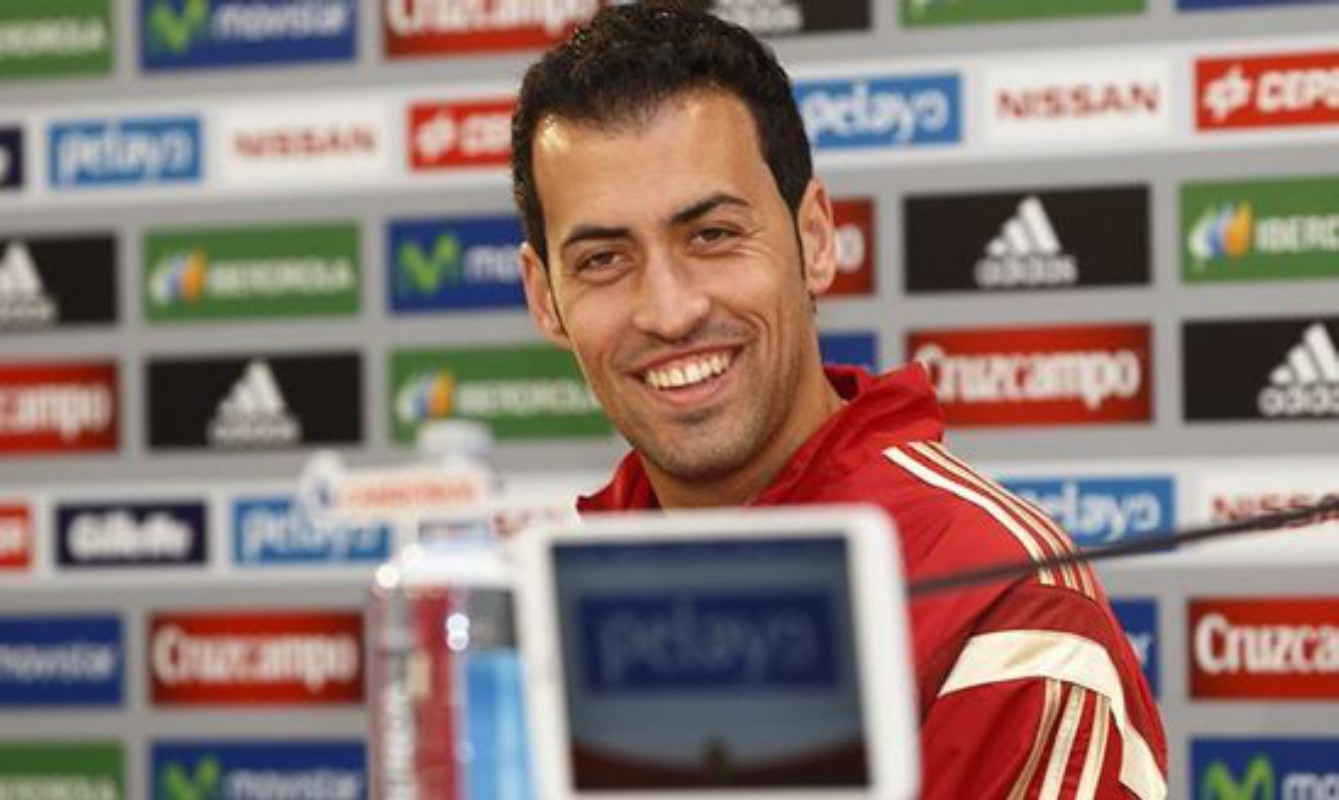
Spain’s technical style is world-renowned, emphasizing passing coordination and ball control. From Barcelona’s tiki-taka tactics to Real Madrid’s Galácticos, Spanish clubs have also performed outstandingly in European competitions. La Liga is considered one of the leagues with the highest level of technical skill in the world.
Current Situation of Lithuanian Football
In contrast, Lithuanian football development is relatively lagging behind. As a small country with a population of only 2.8 million, Lithuania faces many challenges in football. The domestic league level is limited, with insufficient funding and infrastructure development. However, Lithuania also has some commendable aspects.
In recent years, the Lithuanian Football Federation has made significant efforts in youth training and established cooperative relationships with some strong European football countries. Although international match results have been unsatisfactory, the fighting spirit of Lithuanian players is worthy of respect.
Comparison of Football Development Between the Two Countries
| Comparison Item | Spain | Lithuania |
|---|
| FIFA Ranking | Top 10 | Around 100 |
| League Level | World-class | Third-tier in Europe |
| Youth Training System | Well-established and mature | In early stages |
| International Achievements | Multiple championships | Few breakthroughs |
| Number of Star Players | Numerous stars | Very few |
This comparison clearly shows a significant gap in football development levels between the two countries. However, this does not mean that Lithuania lacks potential for growth.
Influence of Cultural Differences
Football holds very different social statuses in the two countries. In Spain, football is almost a national sport, and every weekend match day is celebrated like a festival. Bars are always packed with fans watching the game, and football has deeply integrated into the daily lives of Spaniards.
In Lithuania, however, basketball is the most popular sport. While football receives some attention, it is nowhere near as ingrained as basketball. This cultural background difference directly impacts the football development paths of both countries.
Future Development Prospects
Despite the current gap, I believe Lithuanian football still has room for improvement. By learning from football powerhouses like Spain, strengthening infrastructure, and investing in youth training, Lithuanian football might achieve some breakthroughs in the future.
We must also recognize that the success model of football traditional powerhouses like Spain is not easily replicable. Each country should find a development path suitable for its own circumstances. As fans, we just need to enjoy the joy football brings and support our favorite teams.
