As a long-time follower of European football, I would like to share some insights about two distinctly different football systems: Monaco football and Spanish football. Although both hold important positions in European football, their development models and characteristics are vastly different.
National Scale and Football Foundation Comparison
Monaco, as one of Europe’s smallest countries, with an area of only 2 square kilometers and a population under 40,000, boasts a remarkable football club. In contrast, Spain, a traditional football powerhouse in Europe, has a rich football heritage and a large population base. This scale difference directly influences the development paths chosen by the two countries.
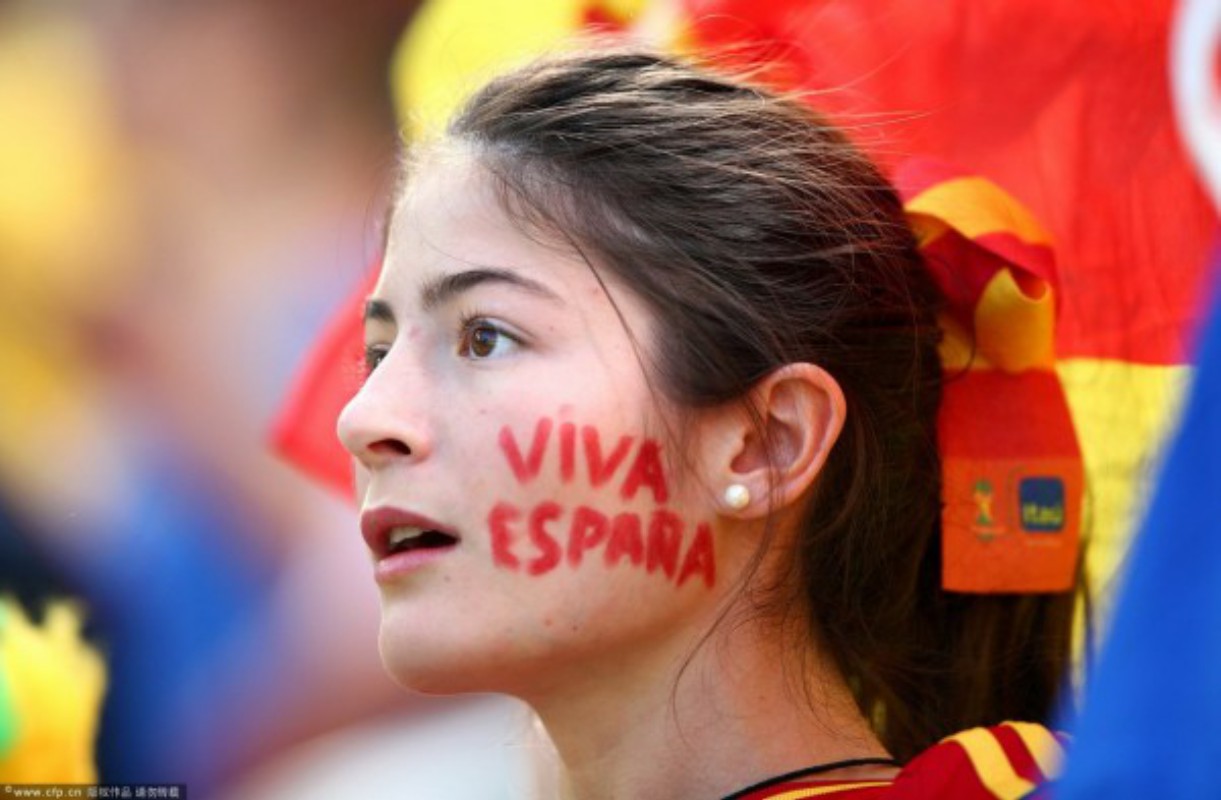
Monaco football’s development mainly relies on the top-tier club AS Monaco, which builds competitiveness under limited resources through elite training and international recruitment strategies. Meanwhile, Spain has a complete league system forming a pyramid football ecosystem, from LaLiga to lower-tier leagues.
Youth Training System and Talent Development
Regarding youth training, the two countries exhibit different characteristics. Monaco’s academy is known for selective quality training, focusing on nurturing a few elite players and gaining substantial returns through the transfer market of Monaco-Spain international players. In recent years, stars like Mbappé and Fabinho have emerged as typical representatives from Monaco’s youth system.
| Comparison Item | Monaco | Spain |
|---|
| Youth Training Scale | Elite small-scale | Large-scale popularized |
| Development Focus | Technical + Physical | Tactical and Strategy |
| Output Method | High-value transfers | Internal league absorption + export |
| Successful Cases | Mbappé, Martial | Iniesta, Xavi |
Spain’s youth system emphasizes [traditional tactical and technical inheritance], focusing on ball skills and possession play philosophy. Barcelona’s La Masia and Real Madrid’s Castilla academies are world-class talent factories supplying numerous players to the Spanish national team and major clubs.
League Level and Competitive Landscape
At the league level, Spain boasts the world-class LaLiga, with giants like Real Madrid and Barcelona consistently dominating European football. The high-level competition provides the best environment for player development and attracts top talent globally.
Although Monaco participates in Ligue 1, as a representative of the Principality of Monaco, its operating model functions more like an international football enterprise. With prudent financial management and player trading, Monaco maintains competitiveness despite limited resources.
Football Culture and Social Impact
Spanish football is deeply rooted in local culture; football is not only a form of entertainment but also a vital part of social life. From children playing football in the streets to passionate discussions in bars, football has become an indispensable element of Spanish life.
Monaco football reflects a modern, commercialized character. Despite its small local population, AS Monaco has successfully created unique brand value by attracting international fans and tourists. The Louis II Stadium, though modest in capacity, offers a rich atmosphere where every match delivers a refined and passionate football culture.
Monaco football and Spanish football represent two different development models: a small and elite approach versus a large-scale traditional powerhouse model. Both have their advantages and have made significant contributions to the diverse development of world football.
