Recently, after watching several national derbies, I wanted to share some thoughts about the changes in Spanish football over the years. As a fan who has lived in Spain for almost ten years studying Spanish Football Culture, I find some Japanese studies on Spanish football observations quite interesting.
A Review of the Golden Era of Possession Football
When talking about Spanish football, the first thing that comes to mind is definitely that glorious era of possession. From 2008 to 2012, both the national team and Barcelona perfectly exemplified tiki-taka. Guardiola’s Barcelona and Del Bosque’s Spanish team almost redefined modern football. I had just arrived in Madrid back then, and every match I watched felt like experiencing football as an art form.
Tactical Innovations in Modern Football
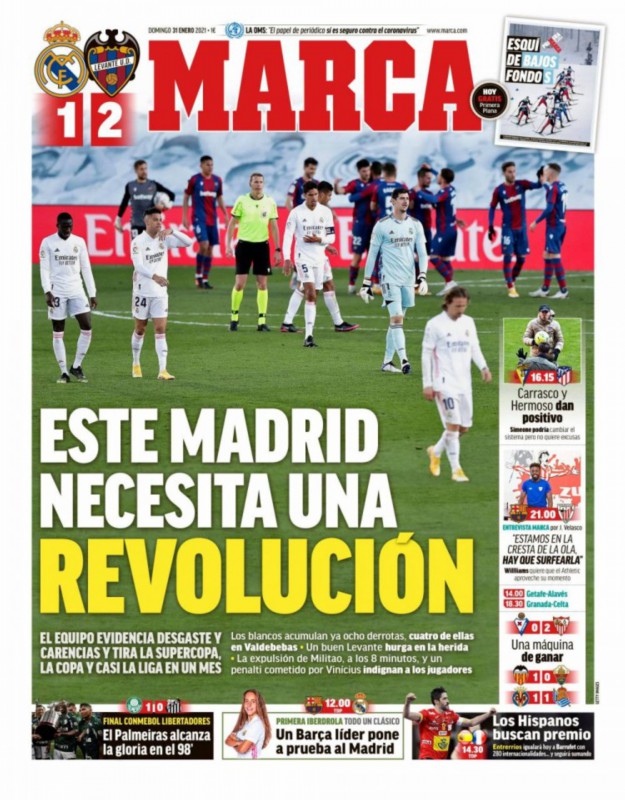
In recent years, Spanish football has been quietly evolving. Under Zidane and Ancelotti, Real Madrid has focused more on quick counterattacks and wing breakthroughs, while Barcelona, though still maintaining its possession DNA, has incorporated more direct attacking elements. I think this change is necessary because football is advancing, and tactics need to keep pace.
| Team | Traditional Style | Modern Adaptations |
|---|
| Real Madrid | Galácticos | Quick Counterattack + High Press |
| Barcelona | Tiki-taka | Possession + Vertical Penetration |
| Atlético Madrid | Defensive Counterattack | High-Intensity Pressing + Rapid Transitions |
The Importance of Youth Development
Speaking of Spanish football’s success, the youth system cannot be ignored. The La Masia academy has produced countless world-class players, from Xavi and Iniesta to the current Pedri and Gavi. This approach of nurturing technical skills and tactical awareness from a young age is truly worth learning from. I often watch youth team matches, and the players’ technique and awareness are truly impressive.
Performance Analysis on the International Stage
On the Champions League stage, Spanish teams’ performance over the years says a lot. Real Madrid’s consecutive Champions League victories prove the success of adaptive reforms. Although Barcelona has faced some challenges in the Champions League, they remain highly competitive in La Liga. Some say that Spanish football has fallen behind, but I find this view too one-sided.
From my personal observation, Spanish football is currently in a transition phase. It needs to maintain its traditional technical advantages while adapting to the rhythm and intensity demands of modern football. This balance is not easy, but I believe that with Spanish football’s profound heritage and continuous innovation, it will surely find its unique development path. What do you think?
