As a football enthusiast who has lived in Spain for several years, I would like to share some insights about adult football matches here. Spain has a rich football culture, and no matter your skill level, you can find suitable opportunities to play.
Overview of the Amateur League System
Adult football matches in Spain are mainly divided into several levels. The highest level is Tercera División, which is semi-professional. Below that are regional leagues such as División de Honor Regional and Primera Regional. For casual players, community-level matches are the easiest to join.
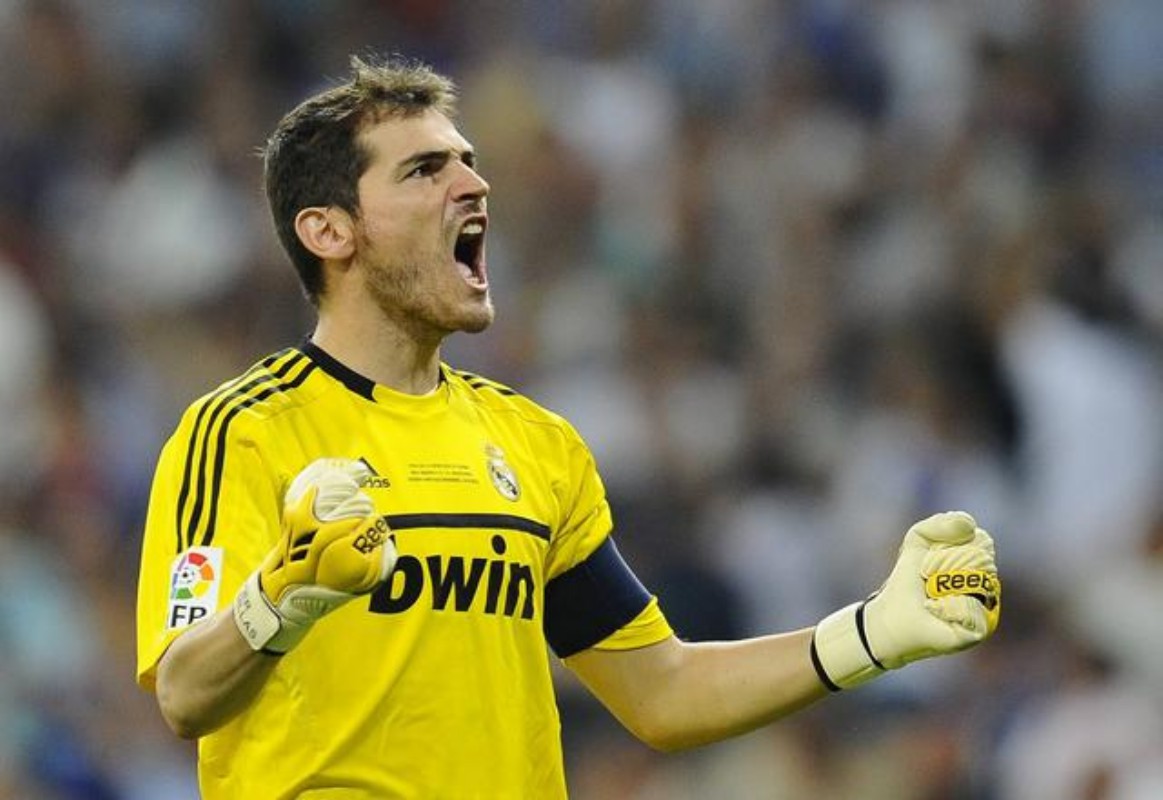
Each autonomous community has its own football association, such as the Madrid Football Federation and the Catalonia Football Federation. They organize competitions at all levels, with the main season running from October to May. Registration fees typically range between 300 and 800 euros per team, depending on the league level.
How to Participate
There are several ways to join matches. The simplest is to join an existing team, which you can do through introductions from friends or by asking around at local football fields, such as via Spanish Football Jerseys Adult. Many communities have their own football clubs that frequently look for new players. Another option is to form your own team, but this requires at least 16-18 registered players.
| Participation Method | Difficulty | Cost | Time Commitment |
|---|
| Join Existing Team | Low | 50-150 EUR/season | 2-3 training sessions + matches per week |
| Form New Team | High | 300-800 EUR/team | Significant organizational effort |
| Temporary Substitute | Very Low | Pay per match | Flexible |
The registration process is relatively straightforward, requiring identification, a medical certificate, and insurance, as explained by Spanish Adult Football Clubs. Most clubs will assist you with these formalities. It is important to note that foreigners must have legal residence status to participate in official leagues.
Practical Tips and Considerations
When joining adult football matches in Spain, there are several points to keep in mind. First is the language: although football is a universal language, basic Spanish communication is important. Second is style: Spanish football emphasizes technique and teamwork, with less physical contact compared to other styles.
Regarding equipment, most clubs provide jerseys, but you need to bring your own football boots and shin guards. Cheap plastic shin guards are not well received here; it’s best to invest in a good pair of football shoes. Training sessions usually take place in the evenings as most people work during the day.
Lastly, participating in football is not just about sports but also a great way to integrate into the local community. Having a beer and chatting with teammates after the match is an excellent opportunity to experience Spanish culture. If you have specific questions, feel free to discuss them in the comment section!
