Spanish Football Opening Dance: The Cultural Code Behind the Passionate Pre-Match Ceremony
As a football fan who has lived in Spain for five years, I have deeply experienced the football culture here. Every time I enter Camp Nou or Santiago Bernabéu, the breathtaking opening ceremony always gets my blood pumping. Today, I want to talk about the Spanish football opening dance, which is not just a simple performance but also an important embodiment of Spanish football culture.
Historical Origins of the Opening Dance
The origin of the Spanish football opening dance can be traced back to the 1980s, when major clubs began arranging special opening ceremonies before important matches. These ceremonies fused traditional Flamenco dance elements with modern football culture, gradually forming a unique Spanish style. Barcelona and Real Madrid, as the two giants of Spanish football openings in La Liga, have played a significant role in promoting this tradition.
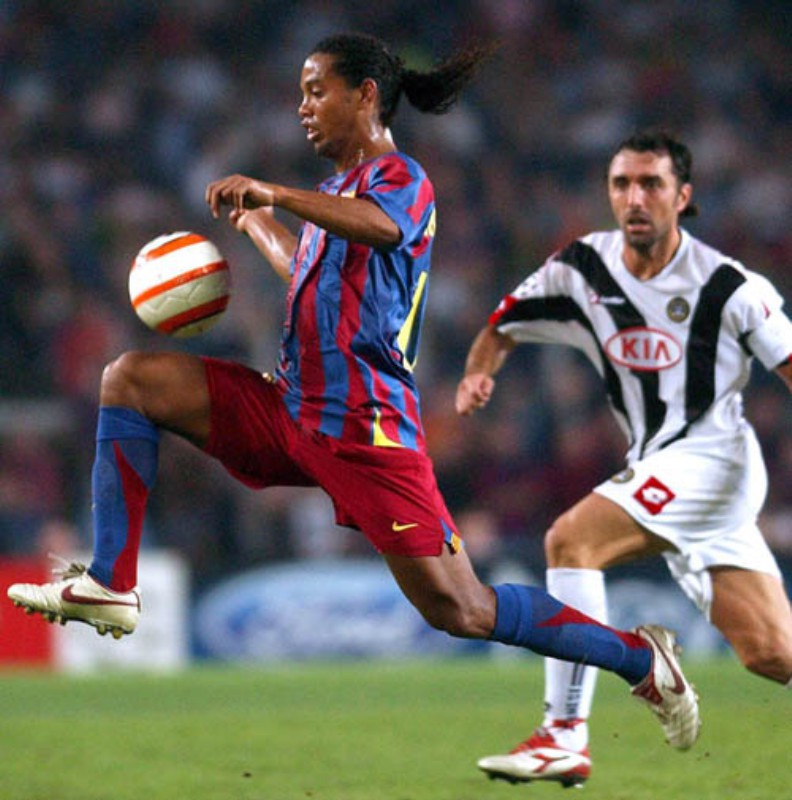
It is worth mentioning that the style of opening dances also varies by region. Catalonia tends to lean toward the rhythm of the Sardana dance, while Andalusia incorporates more passionate elements of Flamenco. This regional cultural diversity perfectly reflects the rich variety of Spanish football culture.
The Evolution of Modern Opening Dances
With the increasing commercialization of football, the opening dances of major Spanish clubs have continuously evolved and innovated. Today’s opening dances not only include traditional dance elements but also integrate modern technologies such as light shows, fireworks, and large screen projections.
| Club | Opening Dance Features | Duration |
|---|
| Real Madrid | Symphony combined with light show | 8-12 minutes |
| Barcelona | Catalan traditional dance | 10-15 minutes |
| Sevilla | Flamenco-style performance | 6-10 minutes |
| Valencia | Elements of the Fallas Festival | 8-12 minutes |
The Importance of Fan Participation
A prominent feature of the Spanish football opening dance is the high level of fan involvement. In many important matches, organizers invite fan representatives to participate in the opening performances, greatly enhancing the ceremony’s impact. I recall a King’s Cup final where tens of thousands of fans in the stands waved scarves in unison to the rhythm of the opening music—an unforgettable sensation.
Fan culture participation extends beyond the opening ceremony and continues throughout the entire match. Merely watching no longer satisfies Spanish fans’ enthusiasm; they prefer to be creators and active participants in the match atmosphere. This cultural tradition also influences new generations of fans, creating a positive legacy.
Profound Impact on Football Culture
As a cultural phenomenon, the Spanish football opening anthem holds influence far beyond the football pitch. It has become an important vehicle for exporting Spanish culture, showcasing the country’s passion and vitality to the world. Many international tourists specifically come to experience this unique football cultural atmosphere, which also boosts the local tourism industry.
From the perspective of youth football training, cultivating this sense of ceremony helps young players better understand the essence of football culture. Many Spanish youth academies incorporate related cultural courses, exposing young players to these traditions early on, cultivating their respect for the sport and cultural identity.
