Comprehensive Analysis of the Spanish Football League Management System
As a football powerhouse, Spain possesses a well-established and hierarchical football league management system. From the elite La Liga to the grassroots regional leagues, this system not only cultivates numerous world-class stars but also lays a solid foundation for the sustainable development of Spanish football.
Overview of League Hierarchy
The Spanish football league system uses a pyramid structure with 10 levels. At the top is the well-known La Liga, consisting of 20 teams. Following it is the Segunda División, also with 20 teams. Starting from the Segunda División B, the leagues are organized regionally, forming a more complex but broader management network.
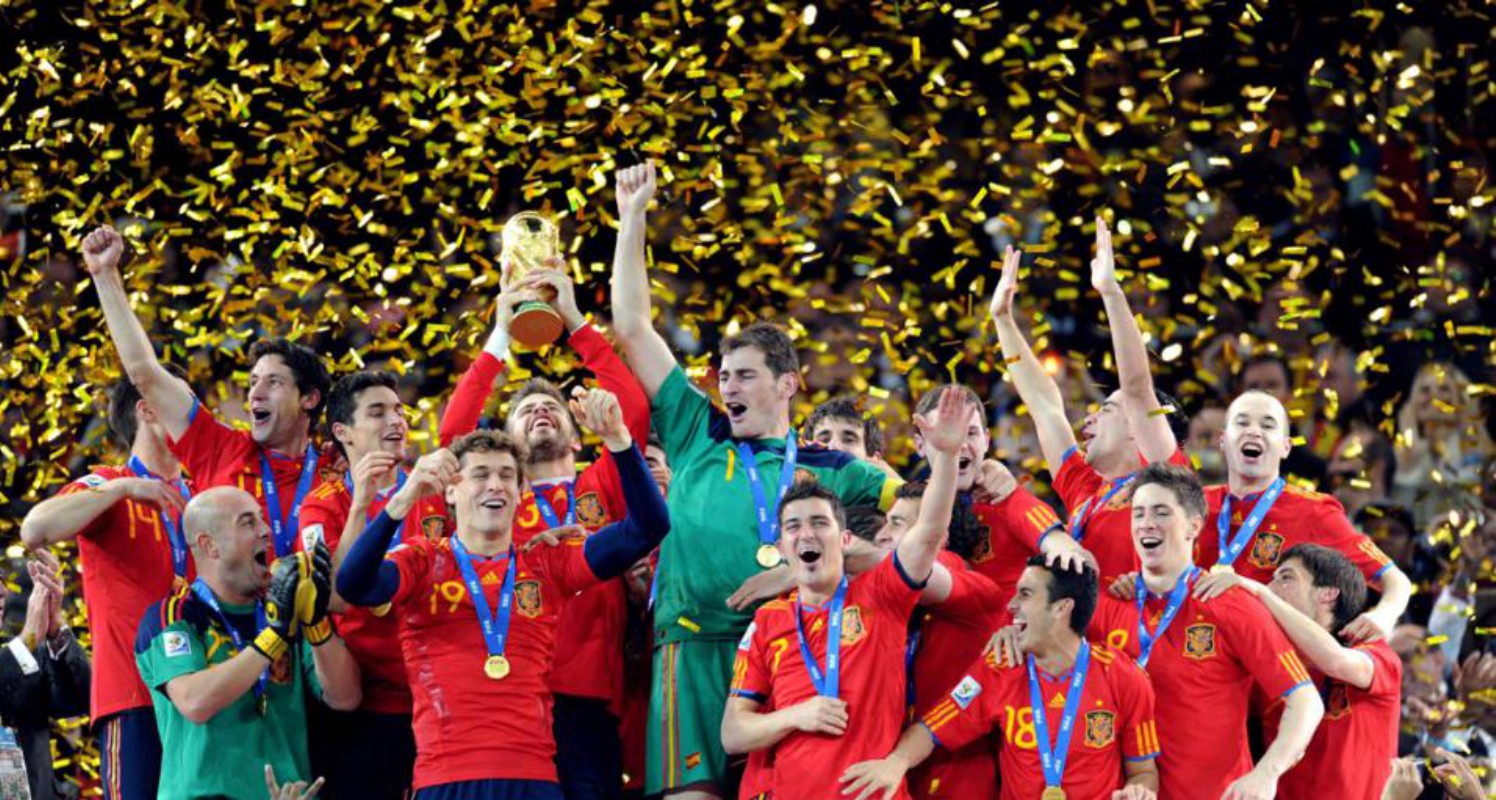
Spanish league management is not limited to the professional level. From the third tier Segunda División B to the tenth level regional leagues, there are complete organizational structures and regulations. This top-down management model ensures the healthy development of football at all levels throughout Spain.
Responsibilities and Division of Management Bodies
Spanish football management is mainly carried out by three core institutions: the Royal Spanish Football Federation, the Professional Football League, and various regional federations. The RFEF, as the highest authority in Spanish football management expertise, is responsible for setting overall policies and rules; the LFP specifically manages the top two professional league levels; while regional federations handle amateur league management within their jurisdictions.
| Managing Body | League Levels Responsible For | Main Duties |
|---|
| RFEF | All national levels | Policy formulation, rules supervision |
| LFP | La Liga, Segunda División | Professional league operation |
| Regional Federations | Below the third tier | Local league organization |
Promotion and Relegation System Design
The Spanish football league’s promotion and relegation system is cleverly designed to ensure both competitive fairness and league stability. At the end of each season, the bottom three teams in La Liga are relegated directly to the Segunda División, while the top two teams in Segunda División are promoted directly to La Liga. Teams ranked 3rd to 6th compete in playoffs for the final promotion spot.
The standout feature of this promotion and relegation system is its high transparency and strong practicability. Each league level has clearly allocated promotion and relegation spots, minimizing room for manipulation. Meanwhile, the introduction of playoffs increases league suspense and entertainment value, keeping more teams motivated until the very end within the Spanish football system management methods.
It is worth noting that the Spanish football league management system also puts special emphasis on youth training systems. Each league level has corresponding youth team requirements, ensuring continuity and systematic talent development. This is one of the key reasons Spain continues to produce world-class players.
