Observing Spanish Secondary School Football Matches: Children’s Dreams and Realities on the Green Field
As a Chinese parent who has lived in Spain for five years, I have had the privilege to witness my son’s entire journey participating in local secondary school football matches. Today, I want to share the real situation of Spanish secondary school football competitions, hoping it will help those with similar experiences or those planning to have their children involved.
Competition Organization and Scale
Spanish secondary school football competitions are generally divided into in-school leagues and regional tournaments. The in-school league usually runs from September to May the following year, adopting a round-robin format. My son’s school has 16 teams participating, with 2-3 matches arranged weekly. Regional tournaments are more formal and include representative teams from about 80 secondary schools across the Madrid region.
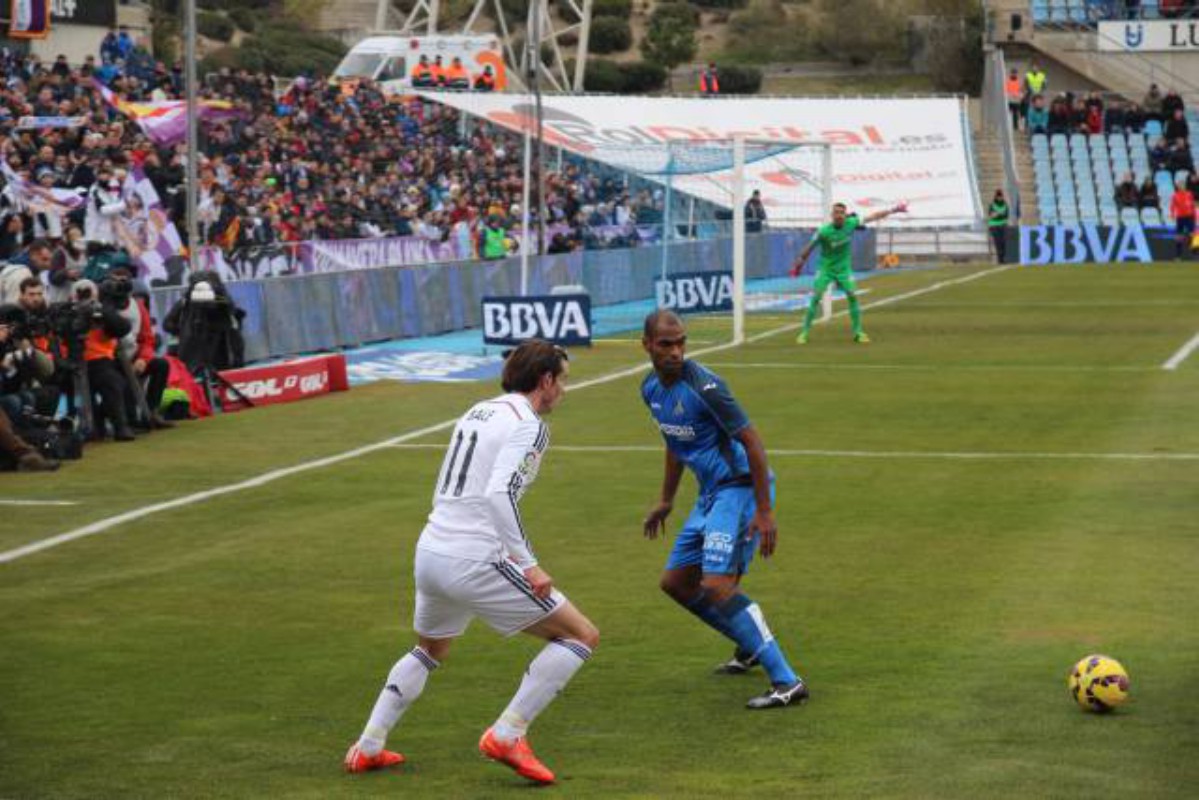
It is worth mentioning that the organization of these competitions is quite professional. Each match is officiated by trained student referees, and equipment such as match balls and scoreboards are fully provided. Parents often spontaneously organize themselves to provide sideline support for their children.
Participation Requirements and Selection Criteria
Unlike the system in China, the entry threshold for Spanish secondary school football matches is relatively low. Essentially, any student who is healthy and has some football foundation can register for the school team selection. The selection mainly evaluates the following aspects:
| Evaluation Item | Specific Requirements | Weight Percentage |
|---|
| Basic Skills | Passing, shooting, ball control | 40% |
| Physical Fitness | Speed, endurance, agility | 30% |
| Team Cooperation | Awareness of teamwork, communication skills | 20% |
| Academic Performance | Average score of all subjects not below 6 | 10% |
It is important to note that although academic performance holds less weight, it is a mandatory requirement. If a student’s grades decline in any semester, regardless of their football skill level, their participation eligibility will be suspended. This reflects Spain’s educational philosophy of balancing academics and sports.
Actual Impact of the Competitions on Students
After more than a year of observation, I found that participation in football competitions positively affects children’s growth. First is the significant improvement in physical fitness; my son’s endurance and coordination have improved considerably. Second is enhanced social skills—through interactions with peers from different schools, children’s perspectives broaden.
However, some issues must be objectively acknowledged. For example, conflicts between training and study time sometimes arise, as important matches may coincide with exams, causing dilemmas for both parents and students. Moreover, some overly aggressive parents put unnecessary pressure on their children, as if every match determines their professional future.
Final Thoughts
Spanish secondary school football competitions provide the schedule for Spanish secondary school football competitions with an excellent platform for showcasing talent and growth opportunities. Although not every child will become a professional player, through participation they learn teamwork, coping with pressure, and facing setbacks—qualities valuable for their future paths.
As parents of Spanish secondary school football competitions, what we need to do is provide appropriate support and encouragement, allowing children to grow happily, gain friendships, and build confidence through sports. After all, youth only happens once—letting it shine brightly on the green field is truly a wonderful choice.
