As a long-term follower of Spanish football, today I want to share with you the Spain national team’s performance on the global football stage. Honestly, the development of Spanish football is quite fascinating, evolving from early obscurity to later dominance—a process worth a deep dive.
World Cup Historical Performance Review
Spain’s World Cup journey can be described as a classic story of struggle followed by a surge. Before the 2010 South Africa World Cup, despite having numerous technically skilled players, Spain struggled to make a breakthrough on football’s biggest stage. Their best performance was only fourth place in the 1950 World Cup, which stood in stark contrast to their club-level brilliance.
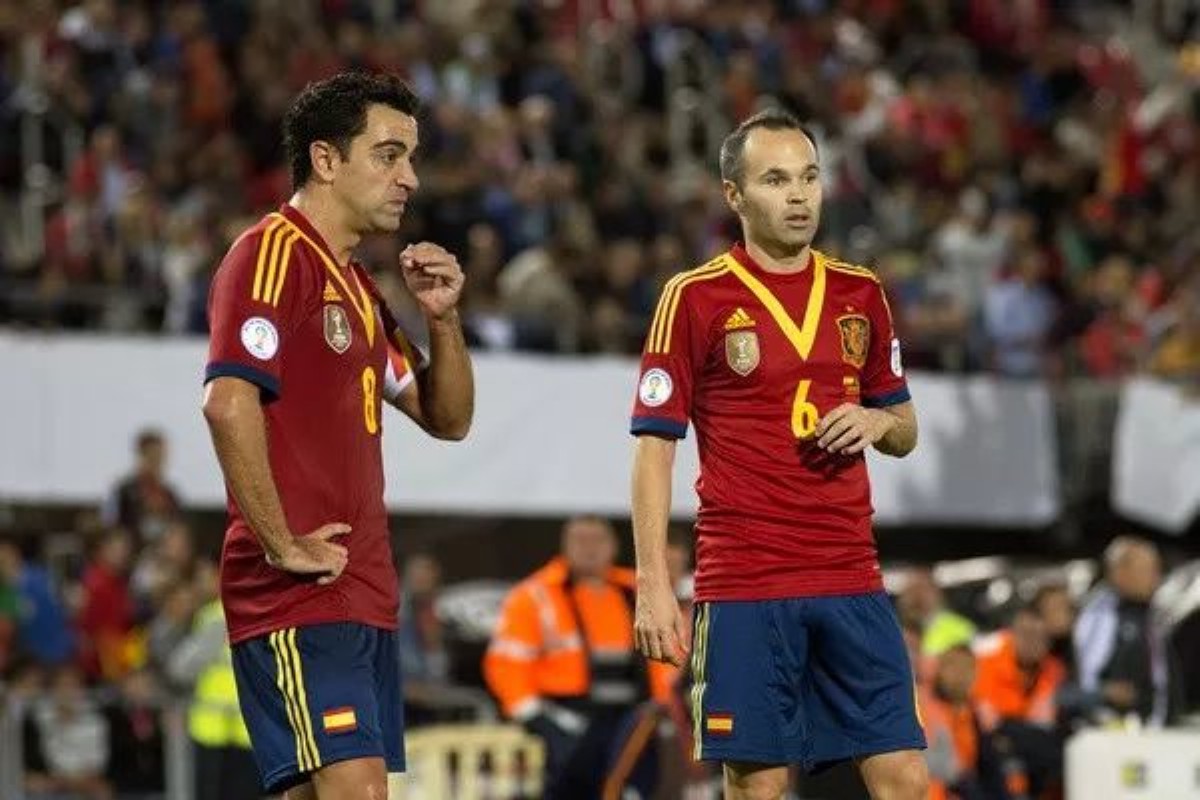
The 2010 South Africa World Cup marked a turning point in Spanish football history. Under coach Del Bosque’s leadership, Spain, anchored by players from Barcelona and Real Madrid, finally reached the world summit. This was Spain’s World Football Historical Rankings Spain’s first-ever World Cup trophy, a milestone full of significance. In that tournament, Spain showcased breathtaking possession-based football; though their goal count per match was modest, their possession and pass completion rates were astonishingly high.
European Championship Dominance
Compared with the World Cup, Spain’s record in the European Championship is even more impressive. Let’s review Spain’s recent Euro performances in the following table:
| Year | Result | Key Highlights |
|---|
| 2008 | Champions | Ended 44 years without a trophy |
| 2012 | Champions | 4-0 thrashing of Italy |
| 2016 | Round of 16 | Unexpected early exit |
| 2021 | Semi-finals | Lost to Italy on penalties |
The consecutive Euro titles in 2008 and 2012 mark Spain’s golden era. Especially the 2012 European Championship final, a 4-0 rout over Italy, is still considered one of the most stunning finals in Euro history. Spain’s possession style at that time was nearly artistic, with almost every pass precisely executed.
FIFA Ranking Trends
Looking at FIFA rankings, Spain held the number one spot for a long period between 2008 and 2012—often called Spain’s “Golden Generation.” After winning the 2010 World Cup, Spain remained atop FIFA rankings for more than two years. Although their ranking has slipped somewhat in recent years, Spain still consistently ranks within the top ten worldwide, reflecting its deep football heritage.
Spain’s success is no coincidence but built on a robust youth training system and unique tactical philosophy. Players graduating from La Masia academy have fueled the national team with exceptional talent, a key reason Spain remains competitive internationally.
Future Prospects and Challenges
Looking ahead, Spanish football faces the challenge of transitioning between generations. While stars like Xavi and Iniesta from the golden generation have departed, rising talents such as Pedri and Gavi provide fresh hope. Under coaches Luis Enrique and the current manager De la Fuente, Spain is seeking new tactical balances aiming to return to football’s summit.
Spain’s achievements on the world stage are a source of pride, especially the glorious period between 2008 and 2012, which has entered football history. Though currently in a rebuilding phase, with a solid foundation and emerging young stars, Spain’s football future remains promising.
