Recently, the Spanish Football Federation announced a series of new policies. As a football enthusiast living in Spain for many years, I found it necessary to share how these changes affect our day-to-day match watching and participation in football. Honestly, this round of policy adjustments is quite significant and covers a wide scope.
Comprehensive Upgrade of Youth Training System
The core focus of the new policies is youth training reform. Starting from 2024, all La Liga and Segunda División clubs must increase youth training investment to over 15% of their total budget, a noticeable rise from the previous 10%. At the same time, the qualification requirements for youth academy coaches have become stricter.
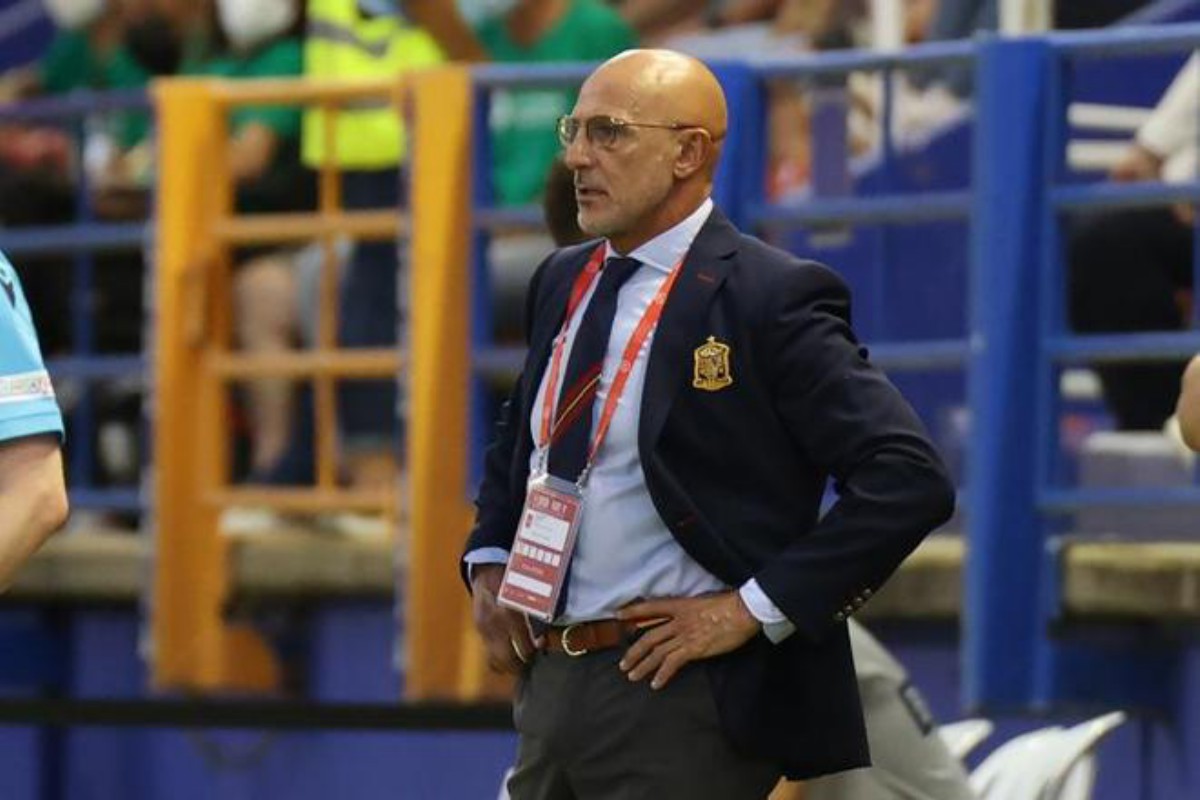
I think this policy is quite positive since the success of Spanish football largely relies on its outstanding youth training foundation. Academies like Barcelona’s La Masia and Real Madrid’s Castilla have produced countless world-class stars.
Major Changes in Foreign Player Policy
Another important change is the foreign player restriction policy. The new regulation requires each team to have no more than 5 non-EU players no more than 3 non-EU players in the match squad, which is stricter than before. Moreover, newly signed non-EU players must pass a more rigorous technical assessment.
Below is a comparison between the old and new policies:
| Item | Old Policy | New Policy |
|---|
| Non-EU Player Limit | 5 players | 3 players |
| Youth Training Investment Ratio | 10% | 15% |
| Coach Qualification Requirement | UEFA B License | UEFA A License |
Stricter Supervision of Financial Fair Play
Financial fair play rules have also become more stringent. Clubs face more detailed salary cap restrictions, controlling not only the total wage bill but also individual player salary limits. For teams accustomed to ‘golden-dollar football,’ adjustments in strategy may be necessary.
From my personal observation, the implementation of these policies mainly aims to: promote the development of domestic players, control club financial risks, and maintain league competitive balance. Although in the short term these may affect some clubs’ recruitment, they should be beneficial to the overall development of Spanish football in the long run.
Impact on Fans and Amateur Football
As ordinary fans, the most noticeable changes will be more domestic players appearing in matches, increased opportunities for young players coming from youth academies, and possibly a more competitive league overall. For us who play amateur football in Spain, local football associations are also increasing investment and management in grassroots football.
This round of Spanish football policy news adjustments is quite comprehensive and in-depth, supported by Spanish policy support for football. Although there will definitely be challenges during implementation, I believe the direction is right. What are your thoughts on these new policies? Feel free to discuss in the comment section!
