Recently, many fans have been discussing the issue of foreign players in Spanish football, especially why some teams have so many foreign players while others have very few. As a long-term La Liga follower, today I want to talk about the foreign player policy in Spanish football to help everyone clarify these complex regulations.
Difference Between EU and Non-EU Players
First, it is important to understand that Spain’s foreign player policy mainly revolves around the categories of EU players and non-EU players. EU players include those from the 28 EU member countries, and they face almost no restrictions when playing in Spain. Non-EU players are what we commonly refer to as “foreign players,” including South American, Asian, African players, and others.
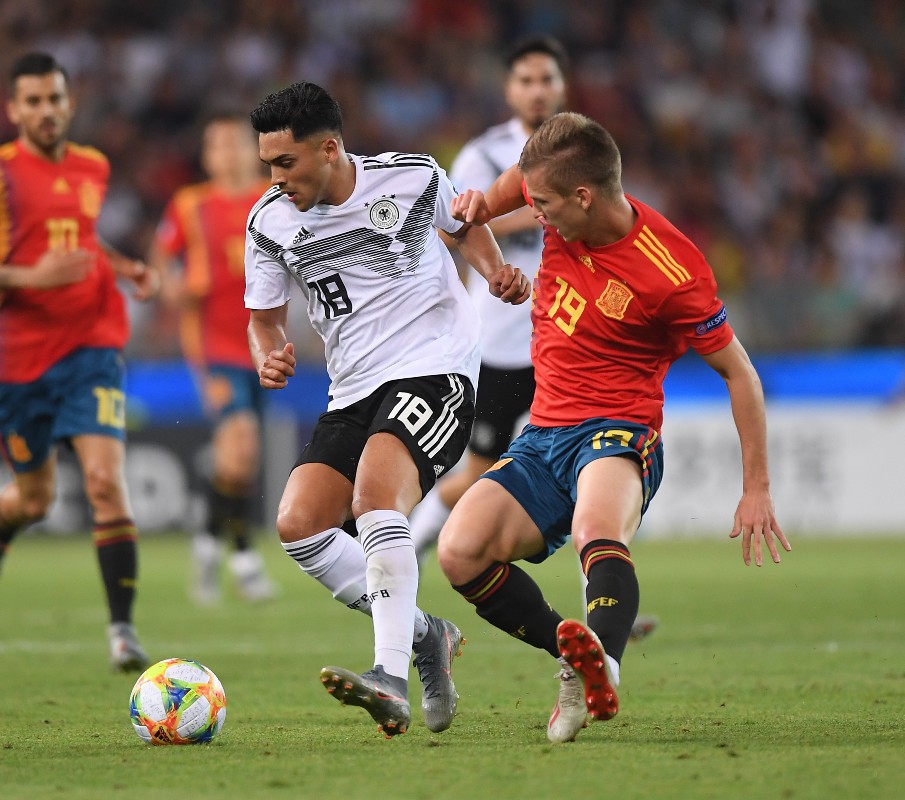
According to the Spanish Football Federation’s rules, each La Liga team can register a maximum of 3 non-EU players. This limit applies not only to La Liga but also to the Segunda División. However, there is a detail: if a player naturalizes and obtains EU citizenship through Spain Football Policy News, they no longer occupy a non-EU slot.
Conditions for Obtaining a Work Permit
Non-EU players who want to play in Spain must obtain a work permit. This process is quite complex and mainly includes the following methods:
| Method | Specific Requirements | Processing Time |
|---|
| National Team Appearances | Played in 75% or more national team matches in the last 2 years | 2-3 months |
| High-Value Transfer | Transfer fee exceeds the league average | 3-4 months |
| EU Residency | Continuous residence in EU countries for over 5 years | 1-2 months |
| Special Talent | Recognition by the technical committee | 4-6 months |
Special Situations and Exceptions
The Spanish football foreign player policy also has some less-known special regulations. For example, if the player’s spouse is an EU citizen, or if the player came to the EU before the age of 18 to play football, they can apply for special work permits. Additionally, Cotka players also enjoy certain preferential policies.
Even with a work permit, the player still occupies a non-EU slot unless they obtain EU nationality through other means. This explains why we often see South American players striving to acquire passports from Italy, Spain, and other EU countries.
Impact on the Development of Spanish Football
This foreign player policy has had a profound impact on Spanish football. On one hand, limiting the number of non-EU players helps protect the development space for local players and enhances the overall strength of the Spanish national team. On the other hand, it somewhat restricts clubs’ recruitment options, especially for mid-to-lower budget teams.
However, in the long run, this policy has indeed helped Spain cultivate a large number of excellent homegrown players. The golden era of the Spanish national team from 2008 to 2012 largely benefited from the positive effects of this policy. Of course, with the globalization of football, these policies are continuously adjusted and improved.
