The Rise of the New Model in Spanish Football
In recent years, Spanish football has undergone profound transformation. From the traditional tiki-taka style to more diversified tactical systems, and from a centralized youth training approach to a distributed talent development network, this football kingdom on the Iberian Peninsula is exploring a completely new path for growth.
As a fan who has lived in Spain for many years, I have personally witnessed these changes. Whether at the Bernabéu in Madrid or the Camp Nou in Barcelona, you can feel the atmosphere of this evolution. Coaches no longer cling to a single tactical system, and players demonstrate more well-rounded technical abilities.
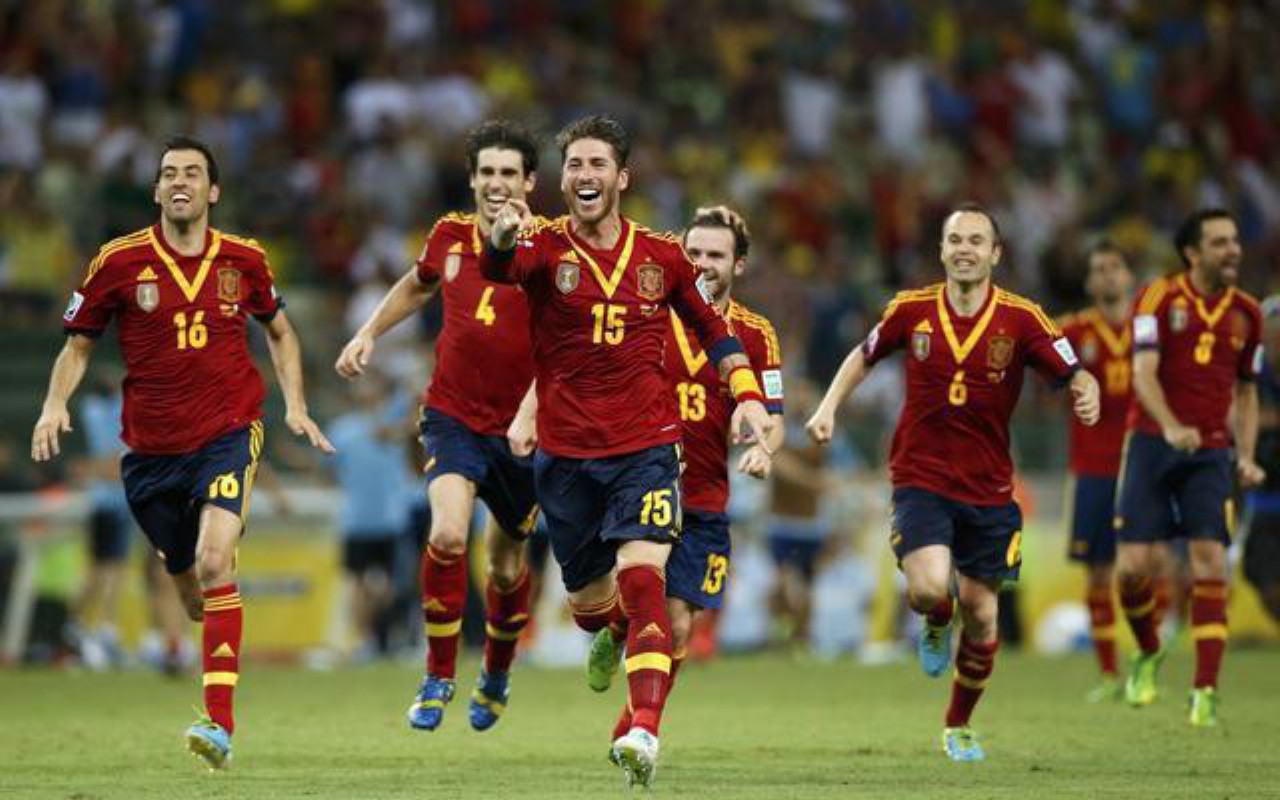
Comprehensive Reform of the Youth Training System
The core of the new Spanish football model lies in reforming the youth training system. Traditionally, elite youth academies like La Masia and Valdebebas monopolized talent development, but this is changing. An increasing number of local clubs have started to establish their own youth systems, while the government boosts investments in grassroots football facilities.
The most direct impact of this change is the diversification of the talent pool. Previously, players in the Spanish national team mainly came from the two giants, Barcelona and Real Madrid, but now outstanding players from mid-size clubs such as Villarreal, Real Sociedad, and Sevilla are prominently featured.
Youth training philosophies are also evolving. Coaches emphasize players’ individual development instead of simply replicating a fixed model. Technical training remains important, but physical conditioning, psychological resilience, and tactical understanding are equally prioritized.
Diversification of Tactical Philosophies
Traditional Spanish football centers on possession and passing, yet the new model embraces a greater variety of tactical options. High pressing, fast counterattacks, and set-piece tactics are increasingly integrated into overall team strategies, as elaborated in the Spanish club football model.
| Traditional Model | New Model |
|---|
| Possession-focused | Balance of possession and efficiency |
| Fixed tactical systems | Diverse tactical choices |
| Technical supremacy | Combination of technique and physicality |
| Slow tempo buildup | Switching between slow and fast pace |
This shift is especially evident at the national team level. Under Luis Enrique’s management, the Spanish team displayed a style markedly different from the traditional tiki-taka, placing more emphasis on vertical breakthroughs and flank attacks.
Application of Technology and Data in Football
Another key feature of the new Spanish football model is the emphasis on technology and data analytics. Clubs at all levels invest heavily in data analysis departments to scientifically guide training and matches.
From GPS tracking systems to heart rate monitors, from video analysis software to AI predictive models, technology is profoundly transforming every aspect of Spanish football. The intensity of players’ training, technical actions, and tactical executions can all be precisely analyzed and optimized through data.
This technological trend is not limited to top-tier clubs; many second division teams and even youth squads have started adopting relevant technologies, providing a technical foundation for overall advancement in Spanish football.
Implications for Global Football Development
The exploration of the new Spanish football model offers important insights for global football development. It demonstrates that even highly successful football systems need continuous self-renewal and improvement. Complacency only leads to decline, and only sustained innovation can maintain competitive advantages.
For other countries’ football development, Spain’s experience shows that diversity in youth training, openness in tactical philosophies, and rational use of technology are indispensable elements of modern football’s growth.
The new Spanish football model is still evolving, and its final form might take a few years to fully emerge, as discussed in Spanish football offensive models. However, based on current trends, this transformation is undoubtedly positive and beneficial, deserving ongoing attention and study.
