The Starting Point of a Small Town Football Dream
As a football enthusiast who has lived in Spain for ten years, I’ve had the privilege of meeting many football players from towns around Madrid. Their stories are far more exciting and complex than one might imagine. Today, I want to share the real life of these town players.
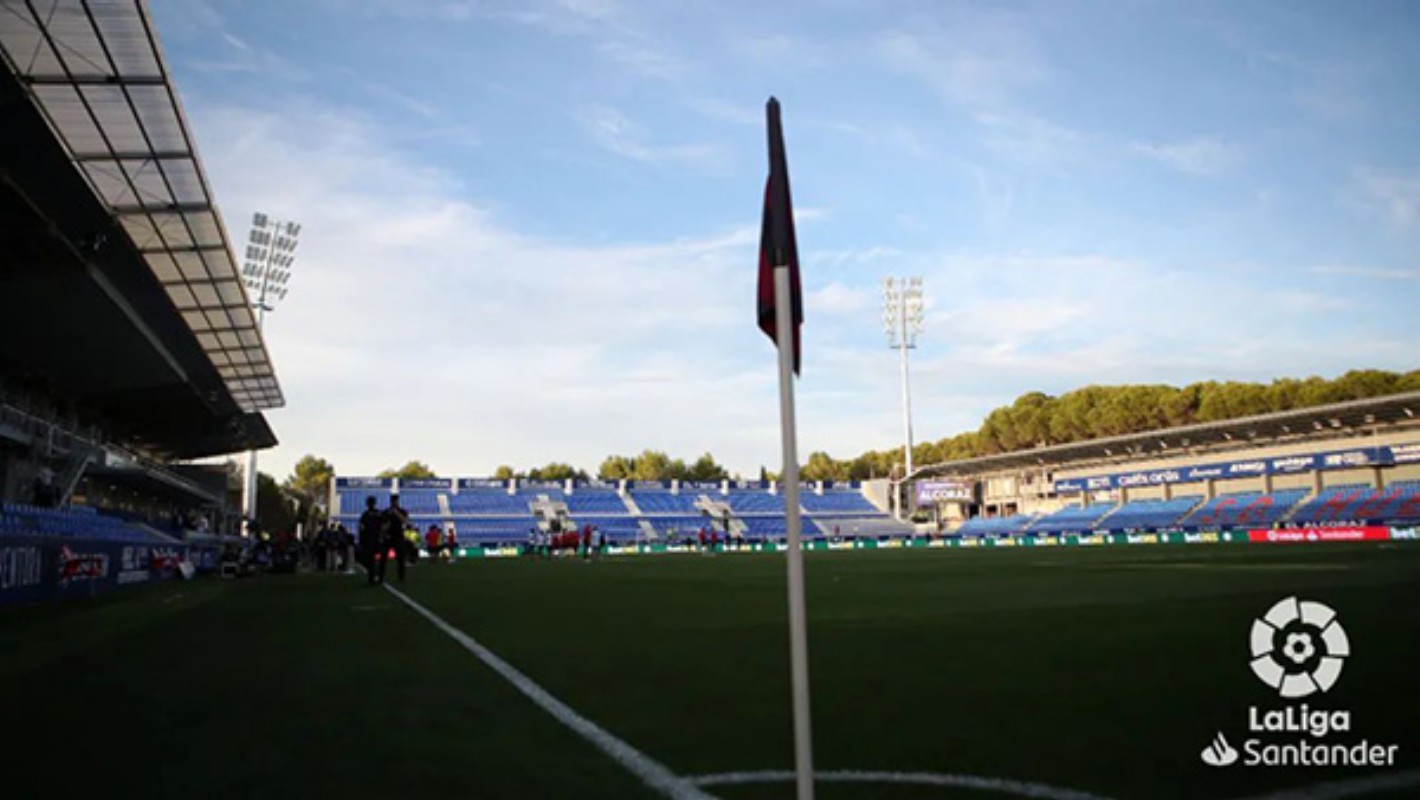
In Alcalá de Henares, about 40 kilometers from Madrid, I met several local team players. Most of them have daytime jobs—some work in construction, others in supermarkets, and some are school teachers. But when training time comes in the afternoon, they all show up on the pitch on time.
Daily Routine of Training and Matches
Training usually takes place on weekdays from 7 PM to 9 PM, and weekends are reserved for matches. While the training intensity is not as high as professional teams, their passion for football remains undiminished. Training three times a week without fail, rain or shine, is truly admirable.
Match days are celebrated like festivals. The whole town comes out to watch, and the atmosphere is very lively. I once witnessed a local derby between two neighboring towns, and the live atmosphere was comparable to professional league matches.
Income and Career Development Status
Regarding income, here is a simple comparison chart from the Spanish small town football club:
| Player Level | Monthly Income | Main Income Source |
|---|
| Pure Amateur Player | 0-100 € | Bonus subsidies |
| Semi-Professional | 200-800 € | Match fees + bonuses |
| Regional League Player | 500-1500 € | Basic salary + bonuses |
Most town players fall into the first two categories, and it is almost impossible to make a living solely from playing football. However, this doesn’t affect their love for the game; many say they play not for money, but for the pure joy.
Challenges and Difficulties Faced
The biggest challenge for town players is balancing work and football. Many talented young players have to give up their football dreams due to financial pressure and choose stable jobs instead. Additionally, training facilities tend to be basic, and medical support is insufficient—these are hard realities.
Fortunately, in recent years, the Spanish Football Federation has increased support for grassroots football, and some towns are starting to receive more resources. I know a 25-year-old midfielder who recently received an invitation from a third-tier league team—this represents a huge opportunity for him.
The Significance of Football Culture Heritage
Football culture in Spanish small towns has a deep heritage, and these players are important carriers of cultural transmission. They not only sweat on the field but also train the next generation of young players. Many retired town players return to youth teams as coaches, passing on their experience to children.
Whenever I see these town players rushing home after training to take care of their families or heading to work sites early the next day, I’m deeply moved by their persistence. They may never become professional stars, but their genuine love for football perfectly reflects the Spanish small town football atmosphere and the authentic spirit of Spanish football.
