As a football enthusiast living in Spain for five years, I would like to share with you the football warm-up culture featured in Spanish Football Reports. Whether on a community field in Madrid or a beach football pitch in Barcelona, proper warm-up training is an essential part of every match or practice session.
The Core Philosophy of Spanish-Style Warm-up
In Spain, football warm-up is not just simple jogging or jumping but a complete system for preparing the body. Local coaches especially emphasize a progressive warm-up, which means gradually transitioning from low-intensity movements to high-intensity training. This approach effectively prevents sports injuries while activating muscular coordination.
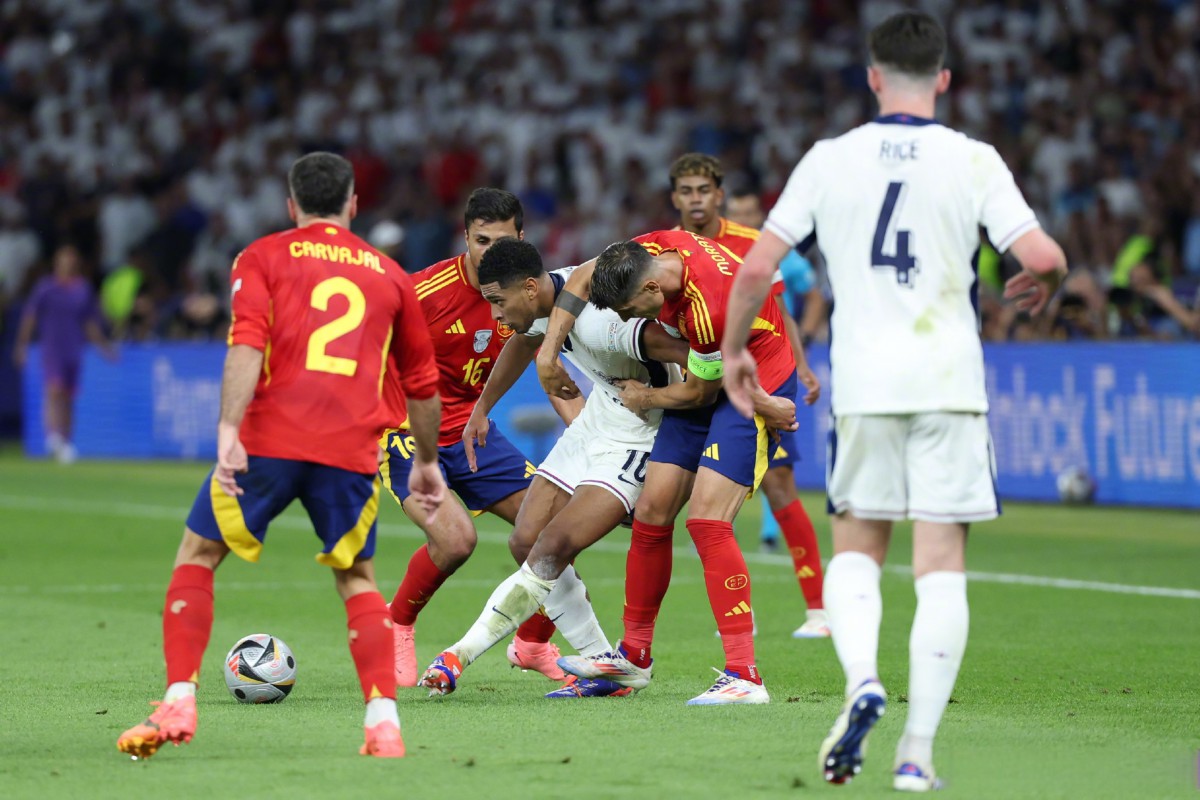
From my observation, Spanish football warm-ups usually consist of three stages: general warm-up, specific warm-up, and match simulation warm-up. The entire process takes around 20-25 minutes, which is longer than the standard in many countries but the results are indeed impressive.
Detailed Practical Warm-up Exercises
Below is a standardized warm-up schedule I compiled, which comes from the Spanish Football Training Plans summarizing local club training methods:
| Warm-up Stage | Exercise Type | Duration | Intensity Level |
|---|
| General Warm-up | Jogging, joint mobility | 5-8 minutes | Low intensity |
| Specific Warm-up | Ball dribbling, directional drills | 8-10 minutes | Medium intensity |
| Match Simulation | Short passes, shooting drills | 7-10 minutes | High intensity |
It is especially worth mentioning that Spanish players highly value the transition from static stretching→dynamic stretching. They believe static stretching before matches reduces muscle explosiveness, so they prefer dynamic stretching to activate muscles.
Precautions and Personal Experience
Based on my observations and personal experience, there are several key points to pay attention to in Spanish-style football warm-up. First is personalized adjustment, where players in different positions have targeted warm-up exercises. For instance, goalkeepers focus more on wrist and shoulder mobility, while midfielders emphasize activating leg and core muscle groups.
Weather conditions are particularly important in southern Spain. During hot summers, warm-up time is appropriately shortened but the intensity remains the same. In cooler seasons, warm-up extends to about 30 minutes to ensure the body is fully warmed up.
Finally, I want to say that maintaining correct warm-up habits can significantly improve your skills and match performance. Early in my football career, I often ignored warm-ups and suffered frequent minor injuries. Since adopting a systematic warm-up routine, not only have injuries decreased, but also my ball control has improved greatly. I hope these experiences will be helpful to everyone!
