Iniesta: The Artistic Maestro of Spanish Football
As a longtime fan of Aragonese Spanish Football who closely follows Spanish football, I want to talk about the legendary midfielder Andres Iniesta. He is not only a symbol of Barcelona but also the core figure of the golden era of Spanish football. From the winning goal in the 2010 World Cup final to countless brilliant performances at Camp Nou, Iniesta embodied what it means to make football an art with his technique and intelligence.
Career Peak Performance
Iniesta’s career can be described as resplendent. He spent most of his career at Barcelona, helping the team secure numerous honors. Especially under Guardiola’s management, Iniesta formed a midfield trio with Xavi and Busquets, regarded as one of the most perfect midfield combinations in football history.
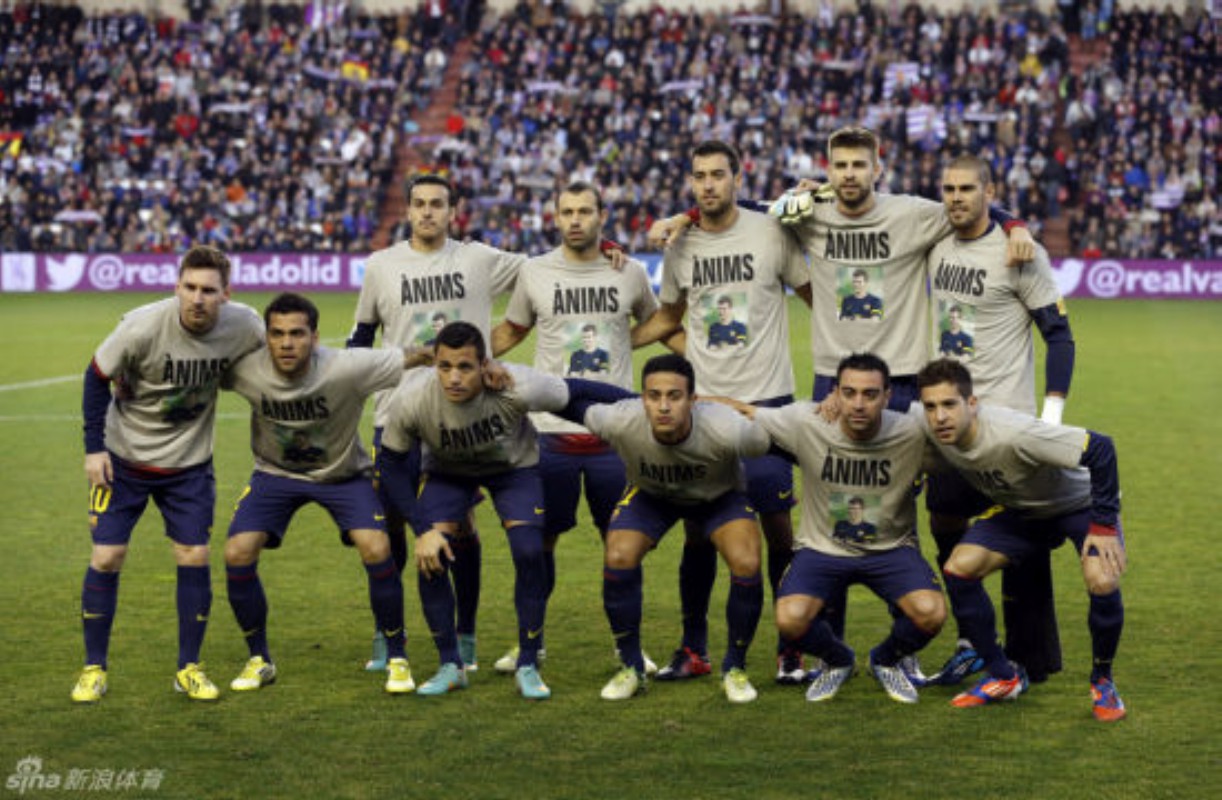
His passing accuracy and on-field vision are astonishing. In crucial matches, Iniesta always stood up. His decisive goal in the 2009 Champions League semifinal against Chelsea and the winning goal in the 2010 World Cup final showcased his ability to perform on grand stages. These iconic moments remain unforgettable for Spanish fans and have showcased the allure of Spanish football to the world.
Technical Features and Tactical Value
| Technical Feature | Specific Performance | Tactical Value |
|---|
| Passing Accuracy | Over 90% success rate | Controls game tempo |
| Dribbling Skills | Excellent in tight spaces | Breaks opponent lines |
| Field Vision | Spots gaps for passes | Creates attacking chances |
| Defensive Contribution | Actively participates in ball recovery | Enhances team cohesion |
Iniesta’s technical traits are very distinctive. He is not a player who relies on physical confrontation but excels on the pitch purely through technique and intelligence. His first touch is always precise, enabling him to turn and pass in the tightest spaces. What’s more remarkable is his rare mistakes even in high-intensity matches, providing crucial stability to the team’s tactical structure.
Contributions to the Spanish National Team
Speaking of Iniesta, his performance in the Spanish national team cannot be overlooked. Some think he is just a product of the Barca system, but the reality shows he was equally indispensable in the national team. In the 2008 European Championship, 2010 World Cup, and 2012 European Championship, Iniesta was a key figure in Spain’s victories.
Especially in the 2010 South Africa World Cup, Iniesta’s goal at the 116th minute in the final helped Spain win its first-ever World Cup. That goal’s significance goes beyond just securing the win; it marks one of the most important moments in Spanish football history. Since then, Spanish football’s position in world football has been fundamentally elevated.
Post-Retirement Influence and Legacy
Although Iniesta has retired, his influence on Spanish football remains profound. Today’s Spanish national team and Barcelona still embody the technical style established during his era. Young players learn from him not only technical skills but also a deep understanding and passion for football.
As fans, we are fortunate to witness a player like Iniesta. His career proved the charm of technical football and set a benchmark for Spanish football. Though times change, the football philosophy represented by Iniesta still deserves our study and inheritance. Hopefully, more players like those from the Martinez Spanish Football Team will emerge to continue writing glorious chapters for Spanish football.
