Just moved to Spain and discovered that the football culture here is incredibly rich! As a football enthusiast, I spent quite some time studying the Spanish football league system, and found it much more complex than I initially thought. Today, I want to share with you the hierarchical structure of professional football leagues in Spain, hoping it will be helpful to fellow fans.
The Pyramid Structure of Spanish Football Leagues
The Spanish football league follows a pyramid system that extends from the top-level La Liga down to local amateur leagues. The entire system comprises ten tiers, each with clear promotion and relegation rules. This design ensures that clubs of all levels can find suitable competitive platforms while providing lower-level teams with opportunities to climb up.
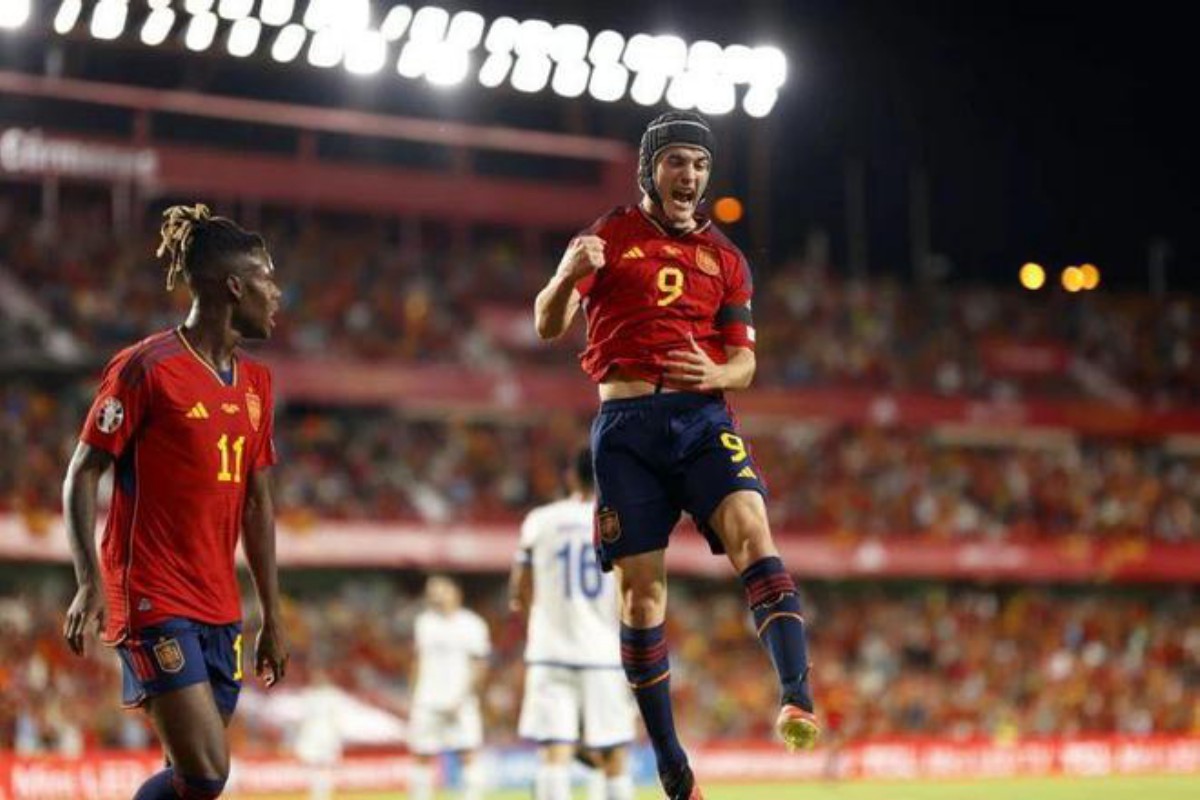
Overview of Top Leagues
Tier One: La Liga
La Liga is the highest level of Spanish football and one of the most influential leagues worldwide. The league consists of 20 teams playing in a double round-robin format, with each team playing 38 matches per season. Legendary clubs like Real Madrid and Barcelona compete at this tier.
Tier Two: Segunda División
The Segunda División also has 20 teams and serves as an important stepping stone to La Liga. Each season, the top two teams earn direct promotion to La Liga, while teams placed 3rd through 6th compete in playoffs for the third promotion spot. Conversely, the bottom three teams from La Liga are relegated to Segunda División.
Detailed Explanation of Lower Leagues
| Tier | League Name | Number of Teams | Main Features |
|---|
| Tier 3 | Segunda División B | 80 teams | Semi-professional operation |
| Tier 4 | Regional Leagues | 360 teams | Strong regional character |
| Tier 5 | Autonomous Community Leagues | Variable | Mainly amateur status |
The third tier, Segunda División B, marks a turning point where teams start to operate on a semi-professional basis. There are 80 teams divided into four groups of 20 teams each. Most clubs at this level are top teams from various regions, making for intense competition.
From the fourth tier downward, leagues emphasize regional identity. Each autonomous community has its own league system where clubs primarily serve local communities. Although the level is lower, these leagues play a crucial role in nurturing young talents and preserving local football traditions within the Spanish football league system.
Operation Mechanism of Promotion and Relegation
The promotion and relegation system in Spanish football is very strict and fair. Each level has a fixed number of promotion and relegation spots, with no special exemptions. For example, La Liga relegates three teams each year, while Segunda División relegates four. This system maintains competitiveness and fairness in the leagues, so even top clubs cannot afford to be complacent.
Spain also has a special rule: if a region does not have a representative team at a particular tier, the highest-level club from that region may receive extra protection. This design reflects a commitment to regional balance, ensuring all areas are represented on the football map.
