As a football fan who has lived in Spain for many years, let me share some insights about the Spanish women’s football professional league, also known as the Spanish Football Professional League. Honestly, the development of women’s football in Spain in recent years has been remarkable, especially with increasingly impressive performances on the European stage.
League Structure Overview
The Spanish Women’s Football Professional League was established in 1988 and is the top-level league for women’s football in Spain. Currently, 16 teams compete under a double round-robin format, with each season running from September to May the following year. The league’s competitive level ranks among the best in Europe and attracts numerous international stars.
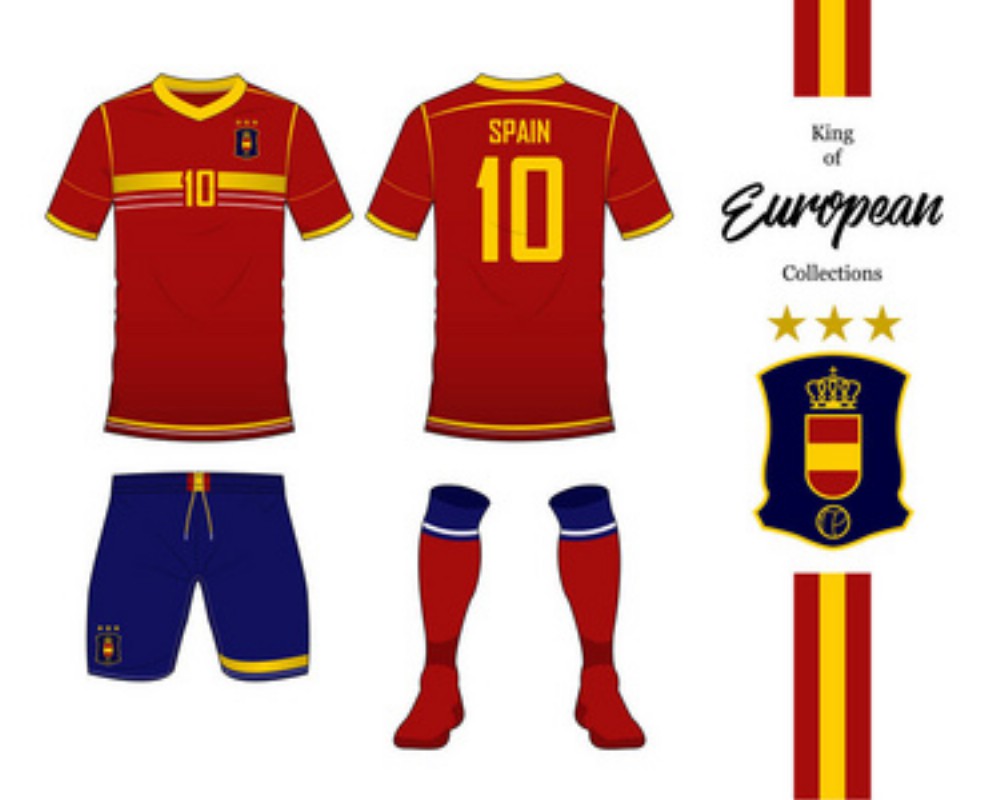
Top-ranking teams earn qualification for the UEFA Women’s Champions League, a major objective for clubs. The bottom three teams face relegation to the Segunda División Femenina.
Comparison of Key Teams
When discussing Spanish women’s football, several traditional powerhouses stand out. The Barcelona Women undoubtedly are the most successful in recent years, dominating both domestically and frequently appearing in European competitions. Although Real Madrid Women were founded more recently, they have developed rapidly thanks to strong financial backing.
| Team Name | League Titles | Best UEFA Champions League Result |
|---|
| Barcelona Women | 8 | Champions |
| Atlético Madrid Women | 1 | Runners-up |
| Athletic Bilbao Women | 5 | Quarter-finals |
| Real Sociedad Women | 1 | Round of 16 |
Atlético Madrid Women also remain a formidable side, with effective counter-attacking tactics on the women’s football scene. The fierce competition between these teams greatly enhances the entertainment value of the Spanish women’s league.
Notable Players and Rising Stars
The Spanish women’s league gathers many world-class players. Golden Ball winner Alexia Putellas, as well as key national team players like Jennifer Hermoso, all compete in the league. Additionally, the league serves as an excellent platform for young talents who often progress to the international stage.
It is worth highlighting that Spain has significantly invested in youth development in recent years; the performance of youth squads at all levels is very promising, laying a solid foundation for the league’s future. Many clubs have established comprehensive youth academies to nurture local players from an early age.
Viewing Experience and Cultural Impact
As spectators, the experience of watching the Spanish women’s league is quite enjoyable. Although attendance figures aren’t as high as men’s football, the atmosphere remains vibrant, especially during key matches like El Clásico or Champions League games. Ticket prices are relatively affordable, with good seats available for 20-30 euros for regular matches.
Women’s football is gradually increasing its influence in Spanish society, with growing media coverage and rising sponsorship investment. Women’s football was once considered less popular, but that perception is changing, particularly among the younger generation who show high acceptance towards women’s football.
