Spanish Soccer Lesson Plan Kindergarten Experience Sharing
As a preschool teacher working in Madrid responsible for the Spanish kindergarten soccer lesson plan, I would like to share some experiences from our kindergarten’s soccer courses. Spain has a rich soccer culture, and many parents hope their children are exposed to soccer early on, but designing scientific soccer lesson plans for 3-6 year olds requires some skill.
Age Groups and Basic Training Content
We set different training focuses based on children’s age characteristics. Children aged 3-4 mainly develop ball sense and coordination, such as simple kicking and carrying the ball while walking. At 4-5 years old, they begin learning basic passing and ball control, while 5-6 year olds can try simple shooting and small team cooperation.
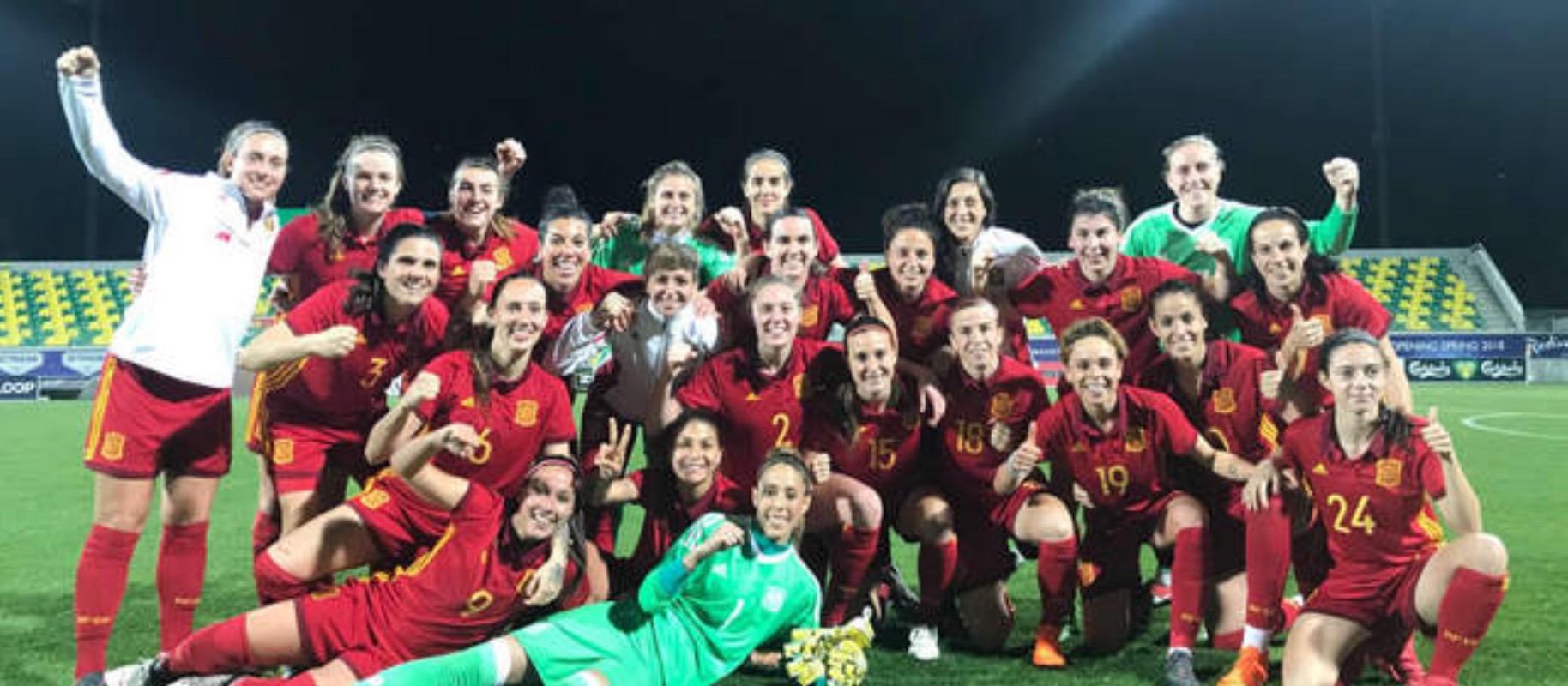
Below is the training schedule for different age groups in our kindergarten:
| Age Group | Training Duration | Main Content | Frequency |
|---|
| 3-4 years | 15 minutes | Ball sense training, running and jumping games | Twice a week |
| 4-5 years | 20 minutes | Basic passing, simple rules | Three times a week |
| 5-6 years | 25 minutes | Small field games, team cooperation | Three times a week |
Practical Training Games and Methods
Most popular training games among children:
Red Light Green Light Game: Children dribble slowly while running; when they hear “Red light,” they stop and trap the ball with their foot; “Green light” means continue dribbling forward. This game trains reaction ability and ball control.
Piggy Home Game: Several small goals are set on the field; children have to “send” the ball into different goals, imitating piglets going home. At first, I worried children might find it childish, but actually, they really enjoy this role-playing method.
Passing Relay: Children form a circle to learn simple instep passing. At first, the ball often rolls everywhere, but after a few weeks of practice, most children over 5 can master the basics.
Safety Precautions and Parent Cooperation
Safety is the top priority in early childhood soccer training. We use special children’s soccer balls that are lighter and softer than adult balls. The choice of field is also crucial; artificial turf is much safer than concrete, reducing injury risk in case of falls.
Parental cooperation is important too. We recommend parents engage in simple soccer games with their children at home, such as gently kicking the ball in the living room or practicing basic moves at the park. Don’t put too much pressure on them; letting children learn happily is the most important.
I hope these experiences will help other early childhood educators! If anyone involved in Spanish kindergarten soccer has good training methods or questions, feel free to share and discuss below.
