As a football fan who has lived in Spain for five years, whenever I watch the Ballon d’Or ceremony, I always recall the complex relationship between Spanish football and this highest honor. Although Spain boasts some of the world’s top leagues and clubs, Spanish players’ performances in Ballon d’Or history have been relatively modest.
Historical Review of Spanish Players Winning the Ballon d’Or
Looking back, only one Spanish player has ever won the Ballon d’Or: Luis Suarez in 1960. This legendary midfielder of Barcelona and Inter Milan demonstrated extraordinary technique and leadership in that era. It’s worth noting that this happened over 60 years ago, and since then no Spanish player has reached the pinnacle of this honor.
In recent years, many Spanish players have been among the top ten or top three candidates for the Ballon d’Or, such as Iniesta, Xavi, and Ramos, but none has ultimately won. Especially after the 2010 World Cup victory, many expected Spanish players to break this curse, but unfortunately, this did not happen.
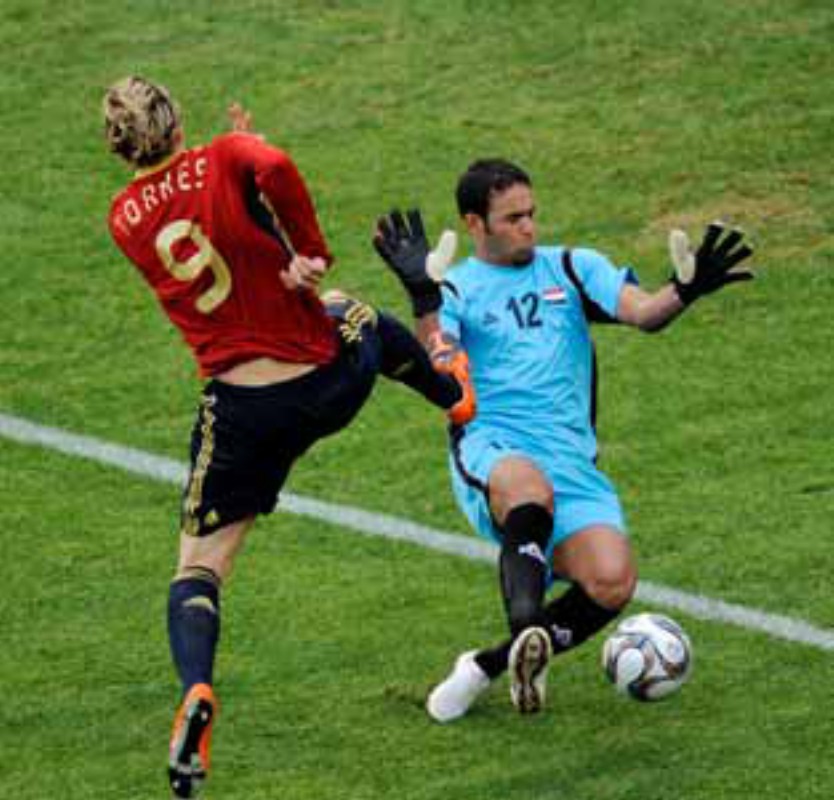
Current Analysis of Spanish Football Talent
Although the current Spanish national team is rich in talent, it seems to lack an absolute superstar when it comes to individual honors. Let’s look at some promising candidates:
| Player Name | Club | Position | Age | Competitiveness Assessment |
|---|
| Pedri | Barcelona | Midfielder | 21 | Very High Potential |
| Gavi | Barcelona | Midfielder | 19 | Future Star |
| Ferran Torres | Barcelona | Forward | 24 | Moderate Potential |
| Rodri | Manchester City | Midfielder | 27 | Consistent Performance |
Among these players, Pedri and Gavi are considered the most promising candidates; their performances at Barcelona are impressive, and they benefit from a clear age advantage.
Factors Limiting Spanish Players
Why do Spanish players lag behind in the Ballon d’Or competition? I believe there are several reasons:
Firstly, positional bias: the Ballon d’Or traditionally favors forwards and attacking players, while Spanish football has historically emphasized midfield organization and team play. Masterful midfielders like Xavi and Iniesta, despite their outstanding skills, cannot compete with players like Messi and Ronaldo in terms of goals and assists as listed in Spanish Football Ballon d’Or Player List.
Secondly, the competitiveness of the league: although La Liga remains a top league globally, the influence of the English Premier League has risen in recent years, and Spanish players rarely move to the Premier League or other leagues, which limits their international recognition to some extent.
Lastly, the national team’s performance: after the golden period of 2010-2012, performances in major tournaments have been relatively modest, which also impacts players’ personal reputation.
Future Outlook
Nonetheless, I remain optimistic about the future of Spanish football. Although producing a Ballon d’Or winner seems difficult in the short term, the new generation of players shows remarkable potential. Especially Pedri and Gavi, products of Barcelona’s youth academy, have all the qualities to become world-class stars.
If Spain achieves good results in the 2026 World Cup or the 2028 European Championship, combined with these young players’ outstanding club performances, seeing a Spanish player lift the Ballon d’Or again may not be far off. After all, football is round, and anything is possible Spanish Football Ballon d’Or History and Review from Di Stefano to Benzema.
