A Comparison of the Art of Football Commentary between Spanish and Swiss Commentators
As a long-time follower of European football, I have noticed significant differences in the commentary styles of Spanish and Swiss football commentators. These differences not only reflect the football cultural heritage of each country but also embody how distinct national characters manifest in football commentary.
The Passion and Nuance of Spanish Commentators
Spanish football commentators are famous worldwide for their passionate and vibrant commentary style. They often use exaggerated tones and expressive body language during matches, especially the prolonged shout of “GOOOOOL” at goal moments, which has become an iconic element of Spanish football commentary. Carlos Martínez and other renowned commentators not only have powerful voices but are skilled at using poetic language to describe exciting moments in the game.
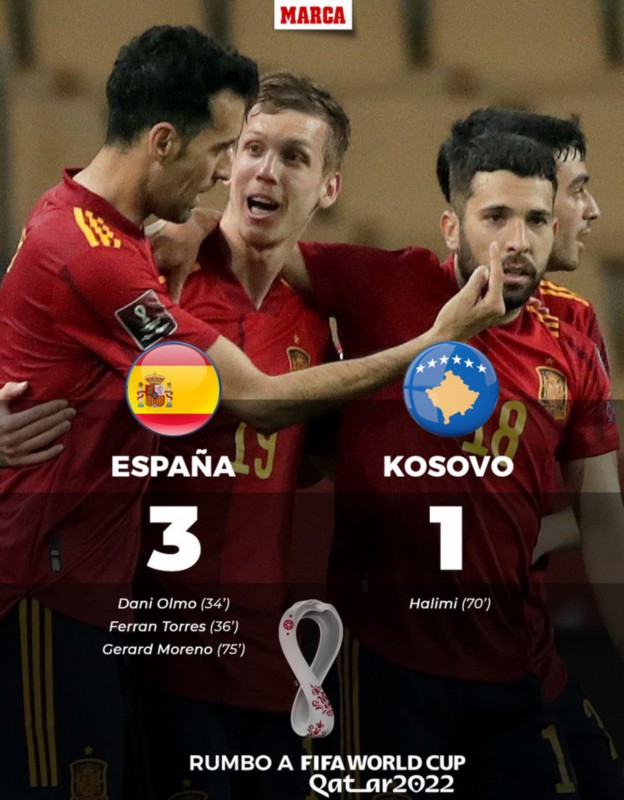
Spanish commentators also demonstrate a deep understanding of tactics, frequently analyzing the team’s possession and control strategy in detail during the commentary. They explain why a particular pass choice is smart or how a run created space. This is closely linked to Spain’s football tradition that prioritizes technique and ball control.
The Rationality and Precision of Swiss Commentators
In contrast, Swiss football commentators exhibit a more calm and rational commentary style. They tend to describe match progress with precise data and objective analysis, seldom showing excessive emotional expression. Swiss commentators typically provide Spanish football commentators ample statistical information during matches, such as possession rates and pass success percentages, helping viewers better understand the technical aspects of the game.
| Commentary Trait | Spanish Commentators | Swiss Commentators |
|---|
| Emotional Expression | Passionate and intense | Calm and objective |
| Language Style | Poetic and exaggerated | Precise and concise |
| Tactical Analysis | Intuitive understanding | Data-driven support |
| Audience Interaction | Stirring emotions | Conveying information |
This commentary style matches the Swiss national character of rigor and pragmatism closely. They focus more on supplying accurate information instead of mere entertainment.
Deep Cultural Influences
These commentary style differences are deeply rooted in the distinct cultural soils of the two countries. Spain, as a traditional football powerhouse, possesses a long football history and a rich football culture. Pure technical analysis no longer satisfies Spanish fans’ needs—they seek emotional resonance and artistic enjoyment while watching matches.
Although Swiss football standards have steadily improved, its football culture is comparatively less steeped. Swiss commentators often take on an educational and popularizing role, using professional and rational commentary to help viewers better understand the sport of football.
Both commentary styles have their unique charm and value. The Spanish style’s passionate commentary can energize audiences to the fullest, making a football match an audiovisual feast; meanwhile, the Swiss rational approach can enhance viewers’ football knowledge and foster a more professional appreciation of the game. In today’s globalized world, a fusion of these two styles might create a more perfect art of football commentary.
