Comprehensive Overview of the Spanish Football Industry Spanish Football Business
As one of Europe’s football powerhouses, Spain’s football industry enjoys global prestige. From the top-tier LaLiga league to nationwide youth training systems, the Spanish football business displays a diversified growth pattern. In recent years, influenced by the pandemic and economic conditions, the entire sector has undergone profound changes and adjustments.
Professional League Operations
The Spanish professional football league is among the world’s most influential football leagues, with a mature commercial operation model. The league generates revenue through various channels, including broadcasting rights, sponsorship deals, and ticket sales. In the 2023-2024 season, LaLiga’s total revenue reached a record high, mainly due to international market expansion and successful digital transformation.
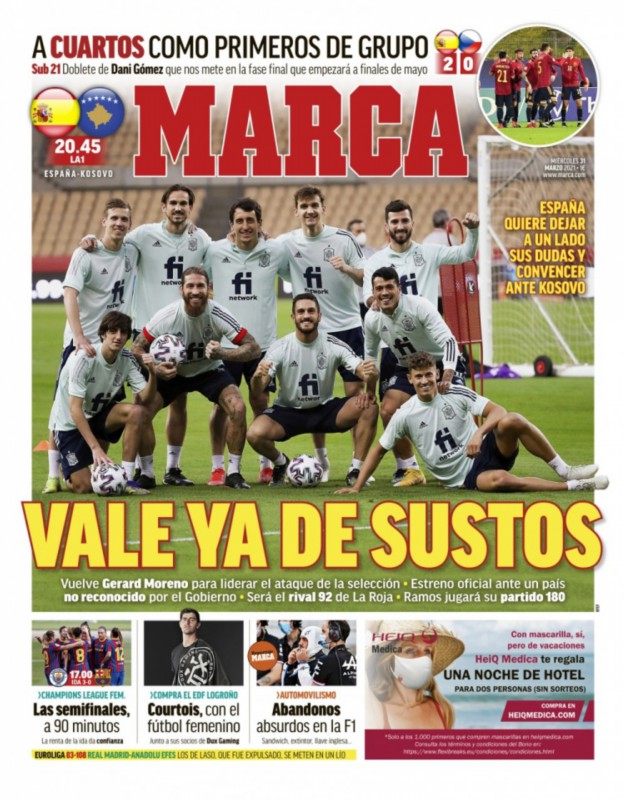
However, the league’s financial fair play regulations present challenges for clubs. Many small and medium-sized clubs face balance pressure between income and expenditure, needing to find a balance between player acquisitions and operational costs. Top clubs like Barcelona and Real Madrid, despite substantial revenues, also must strictly control wage expenses.
Club Financial Status Analysis
The economic status of Spanish clubs across various levels shows a clear differentiation trend. Top clubs maintain strong profitability in the global market, driven by brand value and commercial management capabilities. Below is the revenue structure comparison of major clubs:
| Club | Annual Revenue (million €) | Main Revenue Sources |
|---|
| Real Madrid | 750+ | Broadcasting rights, commercial sponsorship, ticket sales |
| Barcelona | 690+ | Broadcasting rights, membership fees, commercial partnerships |
| Atlético Madrid | 400+ | Broadcasting rights, player transfers, sponsorship |
| Sevilla | 200+ | Broadcasting rights, European competition bonuses, transfers |
Lower-tier and second division clubs face greater survival pressure. Many clubs overly rely on broadcasting income, lacking diversified revenue sources, which makes them especially vulnerable to economic fluctuations.
Youth Training System Achievements
Spain’s youth training system is regarded as the industry benchmark. From Barcelona’s La Masia to Real Madrid’s Castilla, major clubs have established comprehensive youth development systems. These youth academies not only supply talent to clubs but also serve as significant economic sources.
In recent years, the Spanish Football Federation has increased investment in grassroots football. The number of football schools nationwide continues to grow, and youth participation rates in football are steadily rising. This bottom-up training model lays a solid foundation for the sustainable development of Spanish football.
Future Development Prospects
Looking ahead, Spanish football business will continue to evolve towards internationalization and digitalization. LaLiga has already established offices in overseas markets such as the United States and China, actively expanding its global influence. Meanwhile, the rise of new media platforms and streaming services provides new commercial opportunities for leagues and clubs.
Technological innovation is also a critical driver of industry development. From the application of VAR technology to in-depth player data analysis, technology is transforming many aspects of the sport. The Spanish football community has a relatively high acceptance of these new technologies, creating favorable conditions for further industry growth.
