As a football enthusiast who has lived in Spain for many years, I would like to share my observations and understanding of the Spanish football youth training system through Spanish football planning players. This topic should be quite valuable for families concerned about their children’s football development.
Core Philosophy of Spanish Youth Training
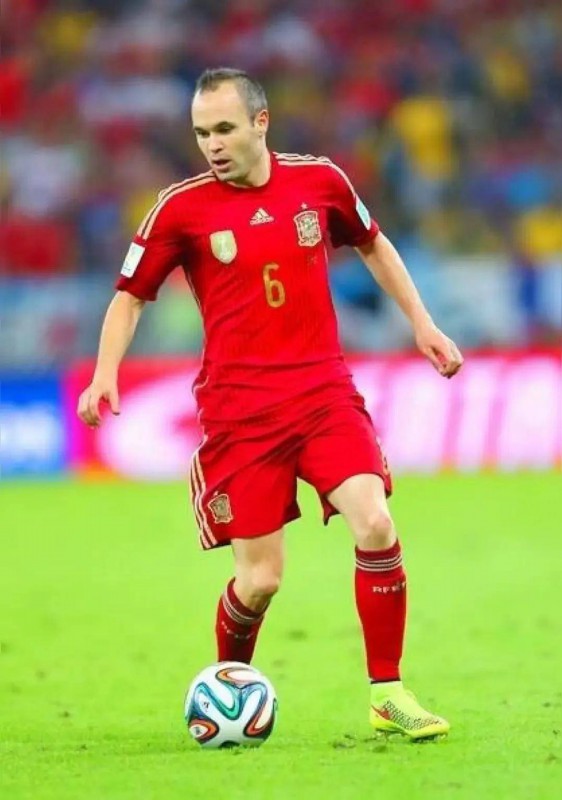
The most outstanding feature of Spanish football youth training is the emphasis on technical excellence. From the age of 6, children are required to master basic ball control, passing, and receiving techniques. Unlike other countries that prioritize physical confrontation, Spanish youth training focuses more on the finesse of technique and tactical understanding. This philosophy has produced technically skilled players like Iniesta and Silva.
During training, coaches spend a significant amount of time on small-sided games, such as 7v7 and 5v5 matches, to enhance players’ ability to apply skills in tight spaces. Players need to execute technical moves under high pressure, which is the essence of Spanish football.
Hierarchical Structure of the Youth Training System
Spain’s youth training system is divided into multiple levels, forming a complete talent development pyramid:
| Age Group | Training Focus | Competition Format |
|---|
| 6-10 years | Basic skills, interest development | Small-sided friendly matches |
| 11-14 years | Advanced skills, tactical induction | Regional leagues |
| 15-18 years | Professional training, physical conditioning | Youth leagues |
| 19-23 years | Professional adaptation, match experience | Reserve team leagues |
Selection Criteria and Development Pathway
When selecting players, Spanish youth training values not only talent but also learning ability and adaptability. Many clubs maintain scouting networks that regularly search for promising young players across regions.
It is worth mentioning that Spain places great importance on players’ cultural education. Even players entering professional youth academies must complete basic schooling. This approach ensures that players have alternative development options if they face setbacks in their football career.
The Role of Parents and Community Support
In Spain, football youth training is not just the responsibility of clubs; the entire community participates. Parents often organize volunteer services to assist coaches in training management. This inclusive atmosphere provides a nurturing environment for young players.
Many community football clubs also regularly hold parent training courses, teaching how to support children’s basic exercises at home. This practice extends football training beyond the pitch into daily life.
Advice for Chinese Families
For Chinese families living in Spain, I suggest allowing children to try joining local youth training clubs. This not only improves football skills but also helps them better integrate into local culture. At the same time, it is important to maintain reasonable expectations, as enjoying the process is more important than pursuing results.
The Spanish football youth training system is definitely worth learning from and adapting, but the key is to develop suitable plans based on a child’s interests and talents. After all, enjoying football is the true essence of the sport.
